
Correcting Eyeliner That Overpowers the Eye Through Incremental Pigment Reduction


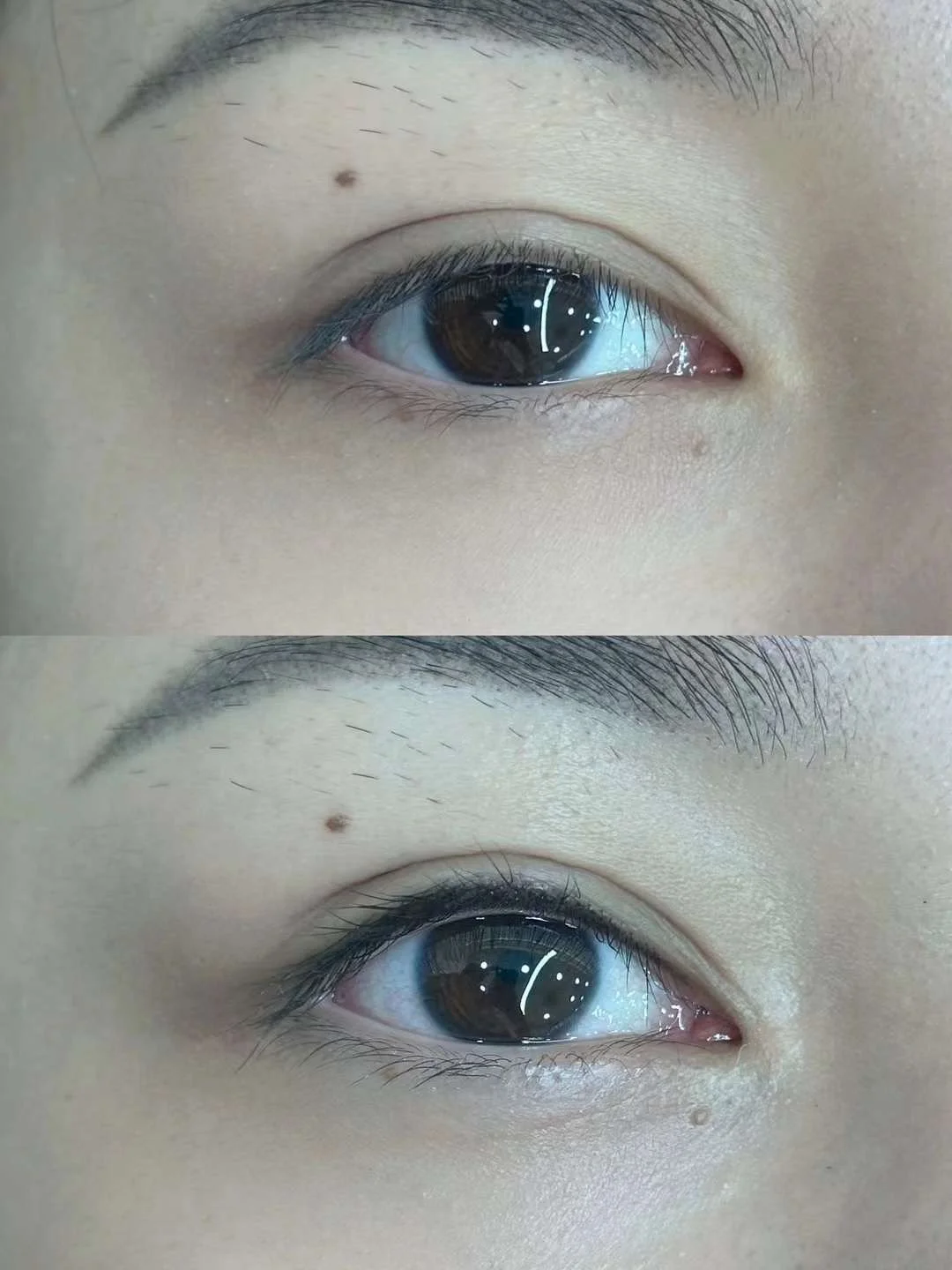
Eyeliner that once felt defining can, over time, begin to dominate the eye rather than enhance it. Clients often describe this change as eyeliner that feels too dark, too thick, or visually heavy, even though the shape itself may not appear obviously incorrect. From a professional perspective, this is rarely a stylistic issue. It is most often the result of excess pigment density and depth-related behaviour within the periocular region.
At The Brow & Beauty Boutique, this concern is addressed through incremental pigment reduction, a medical-led correction strategy designed to rebalance visual weight without aggressive removal or rushed redesign. The goal is not to erase eyeliner, but to restore proportionality so the eye, rather than the pigment, remains the focal point.
Why Eyeliner Can Begin to Overpower the Eye
The periocular region is anatomically delicate and visually sensitive. Small changes in pigment density can produce large visual effects. Eyeliner that initially appeared balanced may later feel overpowering due to a combination of biological and technical factors.
Common contributors include density consolidation after healing, where pigment particles appear more concentrated once inflammation resolves. Diffusion artefacts can soften edges, increasing perceived width even when the line has not technically moved. Deeper dermal placement also plays a role, as pigment positioned too deeply often appears darker and heavier over time.
In some cases, ageing-related changes in eyelid anatomy further amplify the issue. As the eye structure subtly evolves, eyeliner that was once harmonious may now sit more prominently, drawing attention away from the eye itself.
Why Adding or Redesigning Pigment Is Not the Solution
When eyeliner feels overpowering, many clients assume the answer is to reshape or redraw it. In the periocular region, this approach often worsens the imbalance. Adding pigment increases saturation and can intensify the very heaviness the client is trying to escape.
Immediate redesign also obscures diagnostic information. Once new pigment is layered over dense or unstable areas, it becomes more difficult to evaluate where excess density exists and how the pigment is behaving beneath the surface. This reduces correction accuracy and limits safe options later.
Medical-led correction avoids this cycle entirely by focusing on reducing visual dominance, not compensating for it.
Assessment Determines Whether Density Reduction Is Appropriate
Before any corrective work begins, a structured periocular assessment is essential. This evaluation looks beyond shape to understand how pigment density is distributed and how it interacts with eyelid anatomy.
Key factors assessed include pigment depth, saturation variation along the eyelid margin, areas of diffusion versus stable placement, and tissue reactivity. This information determines whether incremental reduction is suitable, or whether stabilisation should precede visible change.
The clinic’s approach to professional eyeliner colour correction in Singapore outlines how these decisions are made conservatively, prioritising predictability and long-term eye health.
Begin With a Density-Focused Eyeliner Assessment
If your eyeliner feels heavier or more dominant than you intended, the most important first step is evaluation. A professional consultation allows your specialist to explain whether density reduction is appropriate and how it would be staged safely.
Book an eyeliner correction consultation to receive guidance grounded in anatomy, pigment behaviour, and periocular safety rather than assumptions.
How Incremental Pigment Reduction Works
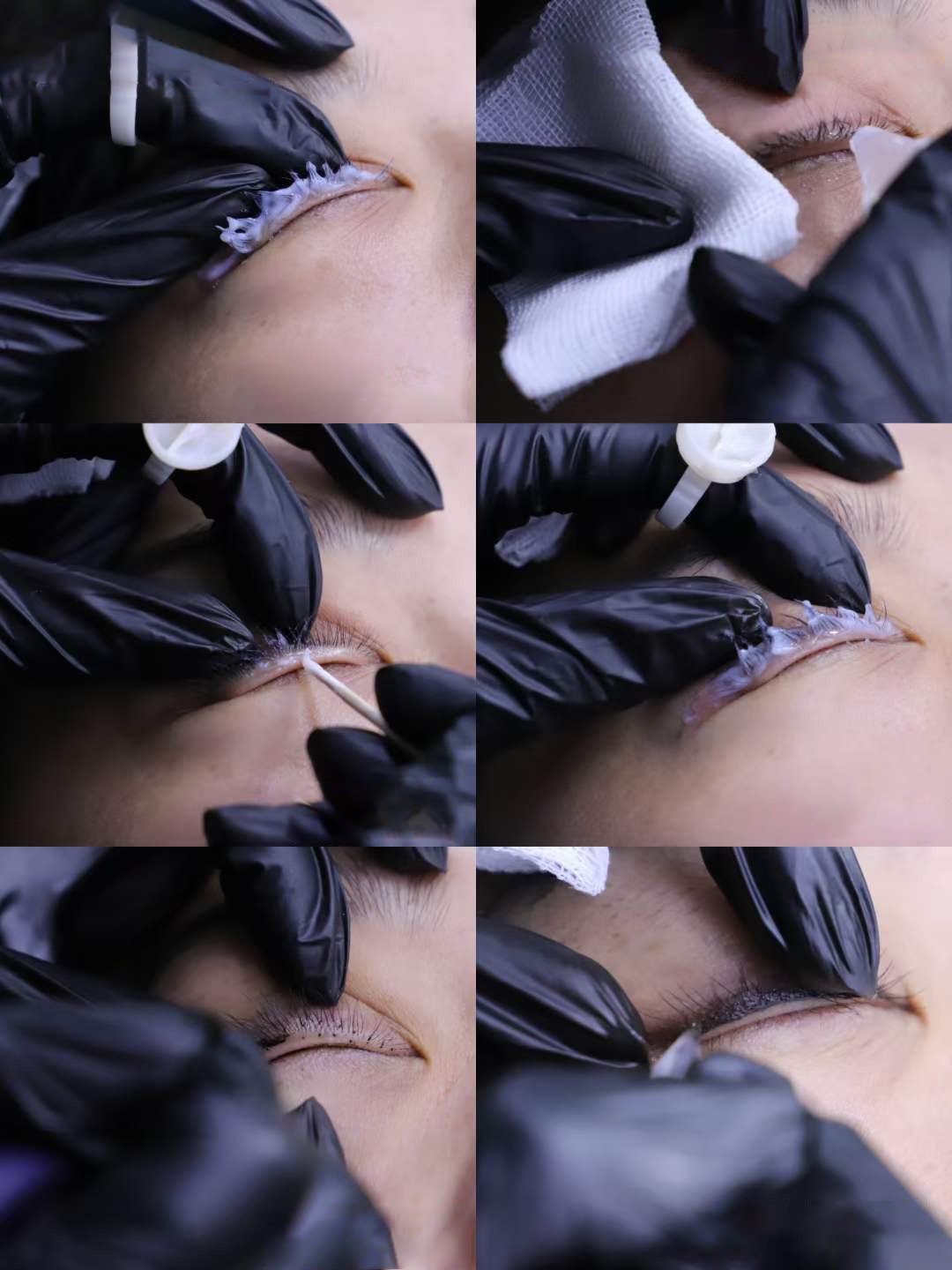
Incremental pigment reduction is a staged process. Rather than attempting to remove or lighten eyeliner in one session, excess pigment is reduced gradually, allowing tissue to recover and pigment behaviour to be observed between stages.
This approach enables specialists to soften visual dominance without destabilising surrounding tissue. Areas of excessive density are addressed selectively, while stable pigment is preserved. By working conservatively, the eyeliner becomes lighter and more proportional without triggering new diffusion or inflammation.
Importantly, this method respects the biological limits of the periocular region. Each stage is adjusted based on how the pigment responds, ensuring that correction remains controlled rather than reactive.
When Refinement Becomes an Option
Once density has been rebalanced and the eyeliner no longer overpowers the eye, some clients choose to refine their look. This step is optional and only considered after reduction goals have been achieved.
Modern eyeliner embroidery techniques emphasise superficial dermal placement and controlled saturation, reducing the risk of repeating earlier density issues. Clients exploring this phase may review eyeliner embroidery services in Singapore, including subtle options such as baby eyeliner for refined lash enhancement or classic eyeliner for balanced definition.
Refinement is never used to mask unresolved heaviness. It follows correction, not the other way around.
Supporting Periocular Recovery During Reduction
Successful density reduction depends not only on technique, but also on how well the periocular tissue recovers between stages. Supporting hydration, circulation, and barrier integrity improves comfort and predictability throughout the process.
Many clients incorporate supportive care such as the La Dermalogique Eye Spa – Iris Clarity treatment during correction. This adjunctive care promotes periocular calmness and clarity without interfering with pigment protocols.
Visual Balance Is a Density Issue, Not a Design Failure
When eyeliner overpowers the eye, the solution is not more pigment or immediate redesign. It is incremental pigment reduction, guided by assessment, restraint, and medical judgement.
By rebalancing density first, the eye regains prominence and any future refinement becomes safer and more predictable.
Schedule your professional eyeliner correction consultation to begin a correction journey focused on proportion, safety & lasting results.