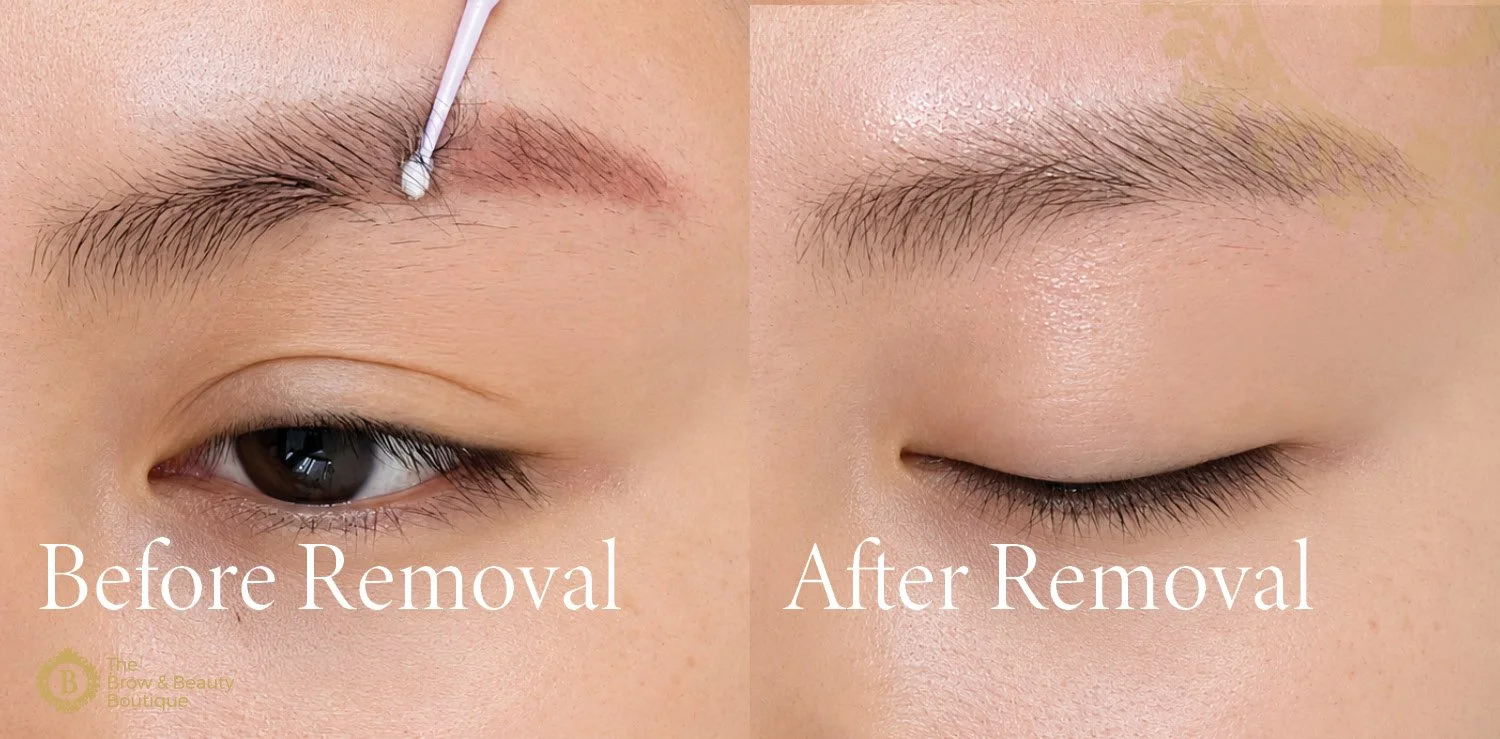
Eyebrow embroidery removal can feel like a major decision, especially when clients are worried about pain, scarring or being pressured into another treatment. Fion T's five-star review describes a calmer experience. She found the team at The Brow & Beauty Boutique friendly and helpful, appreciated that they were not pushy about other services, and said Director Tiffany was thorough and gentle throughout her RF Pulse removal appointment.
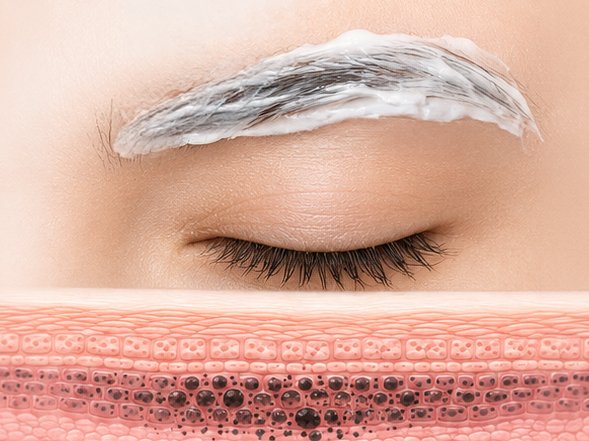
Fion also shared a useful outline of her visit: about 20 minutes for numbing cream, followed by roughly 10 to 15 minutes for the procedure. Her timing is an individual account rather than a universal promise, but it gives prospective clients a practical sense of how a focused session may be structured.
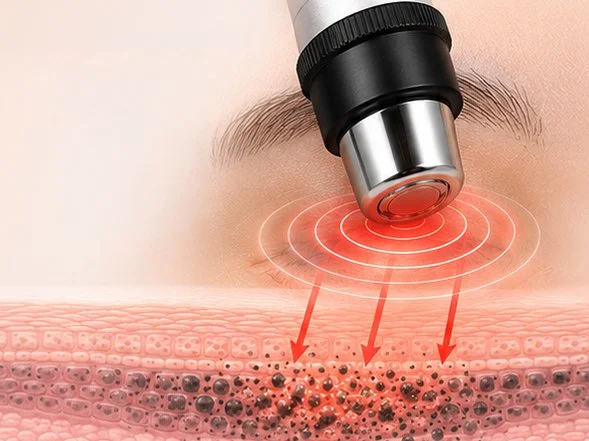
What RF Pulse eyebrow embroidery removal is for
RF Pulse is used to target unwanted cosmetic brow pigment in selected cases. Clients may seek removal when old eyebrow embroidery has become grey, red, uneven, too saturated or unsuitable for the shape they now want. The objective is not always to erase every trace of colour. Depending on the starting condition and future brow plan, strategic lightening or partial removal may create enough flexibility for a safer correction.
A consultation for RF Pulse eyebrow embroidery removal should assess pigment colour, depth, density, previous procedures, skin condition and the position of the old shape. This matters because cosmetic pigments are mixtures, and the visible colour can change as layers lighten. No responsible provider should guarantee complete removal in one session or promise that every pigment will respond in the same way.
Why a thorough and gentle approach matters
Fion specifically praised Tiffany for being thorough and gentle. Those qualities are technically relevant. Removal requires controlled placement and conservative judgement so that treatment remains focused on unwanted pigment while respecting the surrounding skin and brow hair. More intensity is not automatically more effective, particularly when the tissue needs time to recover between sessions.
Clients should disclose prior laser, chemical, saline or RF-based removal, as well as medication, allergies, active irritation and any history of abnormal scarring or post-inflammatory hyperpigmentation. Suitability and settings need to be individualised. Brow hair and skin response should be monitored rather than assuming that one standard protocol is appropriate for every client.
Numbing treatment time and comfort
Fion reported 20 minutes of numbing followed by a 10 to 15 minute procedure. Appointment length can vary with the size and saturation of the area, the amount of pigment being addressed and the client's sensitivity. Preparation, photography, assessment and aftercare explanation may also add time beyond the active treatment window.
Topical numbing can make the procedure more manageable, but comfort differs between individuals and cannot be guaranteed. A client should feel able to ask for a pause or report unexpected discomfort. Clear communication helps the practitioner adjust appropriately and gives the client a sense of control during a procedure that may otherwise feel intimidating.
What to expect after RF Pulse removal
Immediately after treatment, the brow area may look red, swollen or more visually uneven than the eventual healed result. Temporary darkening, light scabbing or shifts in visible pigment tone may occur as the skin recovers. Clients should avoid picking, rubbing and applying unapproved active products or makeup directly over the treated area during the advised healing period.
Healing time and pigment change depend on skin type, treatment depth, aftercare and the characteristics of the previous embroidery. Darker skin tones and clients prone to pigmentation changes need particularly careful assessment and conservative treatment planning. Any severe pain, spreading redness, discharge or unexpected reaction should be reported promptly rather than managed through online advice alone.
Planning correction or new eyebrow embroidery
Removal is often one stage in a longer brow correction pathway. New embroidery should not be rushed onto tissue that is still healing, and the remaining pigment needs to be reassessed after it has settled. Some clients need further lightening; others may be ready for redesign once the skin has recovered and the old colour no longer restricts the new shape.
The right endpoint is therefore not necessarily maximum removal. It is a stable, healthy canvas that supports the client's next step. The Brow & Beauty Boutique can discuss whether partial removal, a staged removal plan or later correction best matches the existing pigment and desired outcome.
A related skin care option at La Dermalogique
Clients who also want personalised support for facial sensitivity, hydration or barrier condition can explore the Signature Skin Treatment at La Dermalogique, the sister company of The Brow & Beauty Boutique. This is a separate facial service and should not be performed over freshly treated brows. Scheduling should respect the RF Pulse recovery window and be confirmed with the practitioners involved.
Frequently asked questions
Does RF Pulse removal hurt? Sensation varies. Fion found her session gentle after topical numbing, but no practitioner can promise a pain-free experience for everyone.
Will one session remove all eyebrow pigment? Not necessarily. The number of sessions depends on colour, saturation, depth, previous work, skin response and the amount of lightening required for the next design.
Can I redo my brows immediately? Usually the area needs time to heal and settle before new embroidery is assessed. Your practitioner should review the tissue and remaining pigment before recommending timing.
Start with a no pressure assessment
If Fion's experience reflects what you want - friendly guidance, a gentle procedure and no hard selling - begin with an individual assessment. Learn more about RF Pulse eyebrow embroidery removal, review the frequently asked questions, or book an appointment with The Brow & Beauty Boutique to discuss your existing pigment and correction goals.