


As skin matures, post-treatment healing becomes just as important as the treatment itself. Many clients notice that redness lasts longer, sensitivity lingers, or recovery feels unpredictable compared to earlier years. These changes are not failures of treatment—they reflect altered healing dynamics in mature skin.
At The Brow & Beauty Boutique, post-treatment care is addressed through skin management. Rather than pushing the skin to “perform,” the focus is on supporting complete healing cycles so that anti-aging benefits can develop safely and consistently.
Clients seeking context for this approach can begin with our Skin Management & Anti-Aging framework, which places recovery on equal footing with stimulation.
Why Healing Cycles Change With Age
Healing is a coordinated biological process involving inflammation resolution, barrier repair, vascular response, and tissue remodelling. In mature skin, these processes slow and become more sensitive to disruption. Fibroblast activity decreases, microcirculation may be less efficient, and inflammatory responses can persist longer than intended.
As a result, even well-chosen treatments can produce extended downtime if recovery is not adequately supported. When healing is incomplete, cumulative benefits diminish and the risk of irritation increases.
Understanding this shift is critical. Anti-aging success depends not only on what is done to the skin, but on how well the skin is allowed to recover afterward.
Why Rushing Recovery Undermines Results
A common mistake in anti-aging care is resuming treatments before healing is complete. While the skin may appear calm on the surface, underlying repair processes may still be ongoing. Interrupting this cycle can prolong inflammation, weaken barrier repair, and blunt regenerative signalling.
Skin management avoids this by respecting recovery timelines and adjusting frequency accordingly. Rather than following rigid schedules, care is adapted to the skin’s actual healing response.
This approach reduces the risk of treatment fatigue and allows benefits to accumulate more predictably over time.
Assessment-Guided Post-Treatment Planning
Supporting healing cycles begins with assessment. At The Brow & Beauty Boutique, post-treatment planning is never generic. Skin recovery patterns, sensitivity thresholds, and prior treatment response are evaluated before determining timing and sequencing.
Clients who experience prolonged redness, delayed recovery, or inconsistent results are encouraged to book an Initial Skin Management Consultation. This session focuses on identifying recovery bottlenecks and adjusting care to support full resolution between treatments.
Assessment-led planning prevents overtreatment and protects long-term skin integrity.
Sequencing Treatments to Respect Healing Capacity
Mature skin benefits from deliberate pacing. Skin management prioritises fewer, well-timed interventions rather than frequent stimulation. By allowing complete healing cycles, collagen remodelling and barrier repair can proceed without interference.
Clients who require structured pacing often transition into a Progressive Skin Conditioning Session. These sessions are designed to integrate treatment and recovery as a single process rather than separate phases.
This sequencing supports resilience, reduces reactivity, and improves consistency of results.
Managing Expectations Around Recovery
For many clients, visible improvement follows improved recovery—not the other way around. Early progress may include shorter downtime, reduced sensitivity, and more predictable skin behaviour rather than immediate aesthetic change.
Anti-aging skin management sets expectations honestly. Clients are guided to understand that supporting healing cycles is an investment in future outcomes, not a delay in progress.
Clients often review our frequently asked questions to better understand why mature skin requires longer recovery windows and how this supports long-term results.
Long-Term Benefits of Complete Healing
When healing cycles are fully supported, mature skin becomes more resilient. Treatments are better tolerated, inflammation resolves more efficiently, and results last longer. Over time, this reduces the need for aggressive intervention and improves overall skin confidence.
These outcomes are reflected in our customer stories, where clients describe improved comfort, consistency, and trust in their skin’s response.
Those interested in the clinical principles behind this approach can explore our story to understand why restraint and timing are core to effective skin management.
The La Dermalogique Perspective: Enhancing Recovery Without Interruption
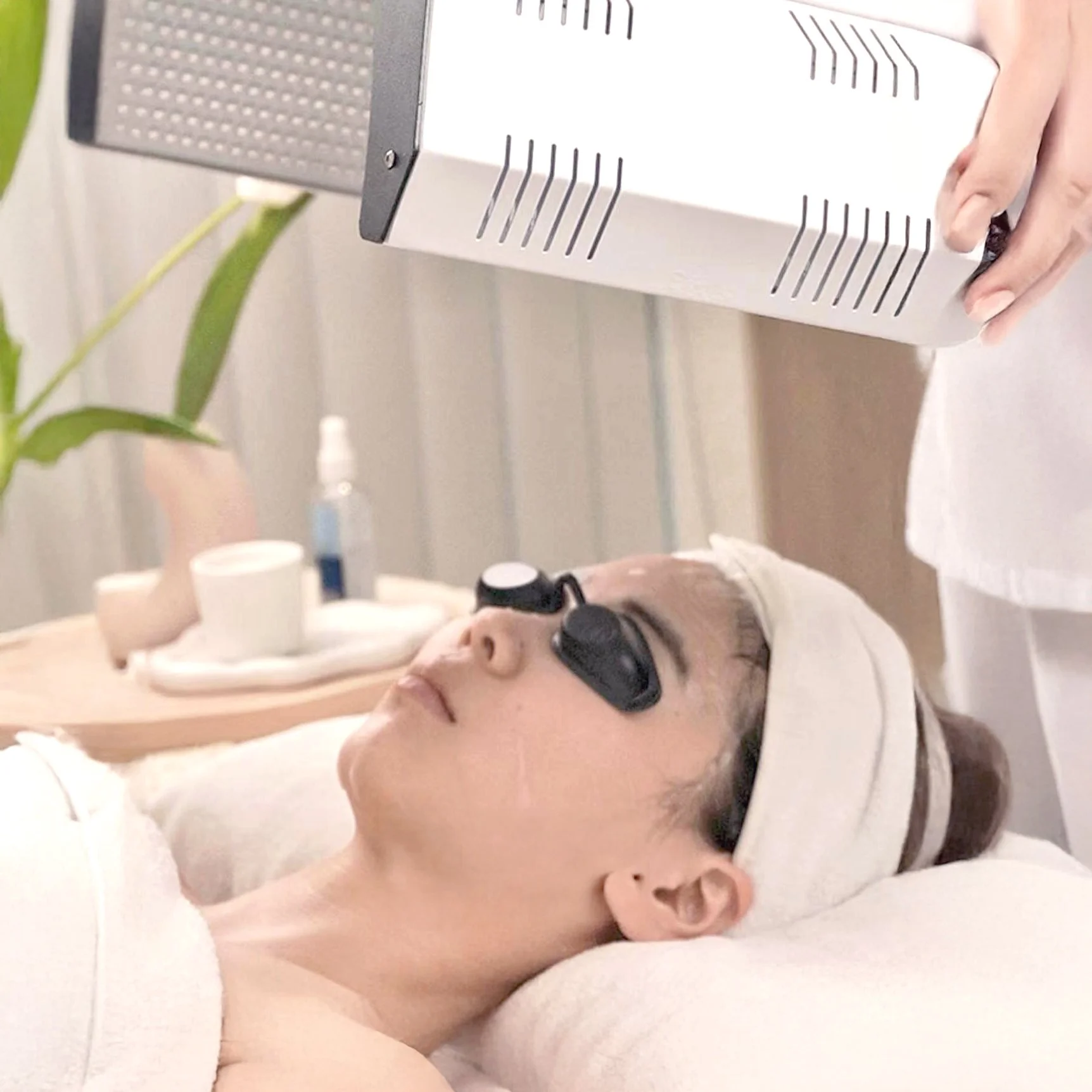
Supporting post-treatment healing often benefits from targeted, non-disruptive support. Collaboration with La Dermalogique allows for treatments that enhance microcirculation, tissue oxygenation, and cellular communication without compromising recovery.
Treatments such as the La Dermalogique Signature Skin Treatment and Signature Glow-Up Contouring are frequently integrated to support recovery phases. These approaches reinforce healing signals while respecting the skin’s need for rest.
Building Sustainable Anti-Aging Outcomes
Supporting healing cycles is not optional in mature skin—it is foundational. When recovery is prioritised, anti-aging care becomes safer, more predictable, and more effective over time.
Clients ready to align treatment with healing capacity can book a Comprehensive Skin Management Session, where planning is guided by recovery response, tissue health, and long-term skin resilience.