

Faded reddish-brown eyebrow embroidery can limit the shape and colour of a new brow design. Simply placing fresh pigment over it may create a heavier result or allow the unwanted warm tone to remain visible. Shan's five-star review describes a more considered pathway at The Brow & Beauty Boutique: Director Tiffany first removed the old work, which had been done at another studio, and then redid the brows after carefully reshaping and balancing them.
Shan said Tiffany put substantial effort into achieving the best result and remained patient, meticulous and professional throughout. She was also surprised that the process felt painless and was delighted with how natural her new brows looked. Her experience demonstrates why removal, recovery and redesign should be treated as connected stages rather than a quick cover-up.
Why old reddish brown pigment needs assessment
Cosmetic brow pigment can change as it ages. Different components may fade at different rates, leaving visible red, orange, grey or blue tones. Sun exposure, skin type, original colour choice, implantation depth and repeated top-ups can all influence the appearance. The visible colour alone does not reveal the full pigment mixture or how deeply it was placed.
An assessment for RF Pulse eyebrow embroidery removal should therefore examine colour, saturation, shape, skin condition and previous removal attempts. The goal may be partial lightening rather than complete erasure. Creating enough space for a new design can be more appropriate than pursuing maximum removal when the remaining pigment no longer interferes with the intended shape.
Why covering the old brows immediately can be a mistake
Adding another layer over unsuitable pigment may darken the brow, widen the shape or produce an unpredictable mixed tone. It also reduces future flexibility. If the old tail sits too low or the arches are uneven, following the previous outline can preserve the very imbalance the client wants corrected.
Removal first gives the artist greater control, but new embroidery should not be placed onto tissue that has not recovered. Healing kinetics vary with treatment depth, skin response and aftercare. The remaining pigment may also change in appearance as the area settles, so the next design should be based on the healed canvas rather than the immediate post-removal view.
Reshaping and balancing after removal
Shan noticed the care Tiffany took to reshape and balance her brows. Once old pigment has been sufficiently lightened and the skin is ready, the new design can be mapped according to current facial proportions and natural hair growth instead of being trapped by the former outline.
Natural-looking eyebrow embroidery requires restraint. The artist must consider the inner brow, arch, tail direction and how much definition the client's existing hair can support. Faces are not perfectly symmetrical, so good correction aims for harmonious balance rather than forcing both brows into mathematically identical shapes. The client should see and discuss the proposed outline before treatment continues.
Comfort does not replace conservative technique
Shan described the entire process as surprisingly painless. Her review is reassuring, but sensation varies between clients and sessions. Numbing, controlled technique and calm communication can improve comfort, yet no provider should guarantee that removal or embroidery will be completely sensation-free.
Safety also depends on more than comfort. Excessive treatment can increase cumulative tissue stress and the risk of delayed healing or post-inflammatory colour change. Clients should disclose previous laser, saline, chemical or RF-based removal, active irritation, medication and a history of abnormal scarring. Darker skin tones and pigment-prone skin may require especially conservative planning.
What to expect during recovery
After removal or new embroidery, temporary redness, darkness, unevenness or light flaking may occur. The area should not be picked or rubbed, and makeup or active skincare should not be applied directly over healing skin unless the practitioner has approved it. The final result should be judged only after the stated recovery period.
No responsible specialist can promise that every old brow can be corrected in one visit. Deep, saturated or repeatedly layered pigment may need a staged plan. Questions are welcome because informed sequencing helps clients understand why waiting can protect both the skin and the eventual design.
A complementary skin care option at La Dermalogique
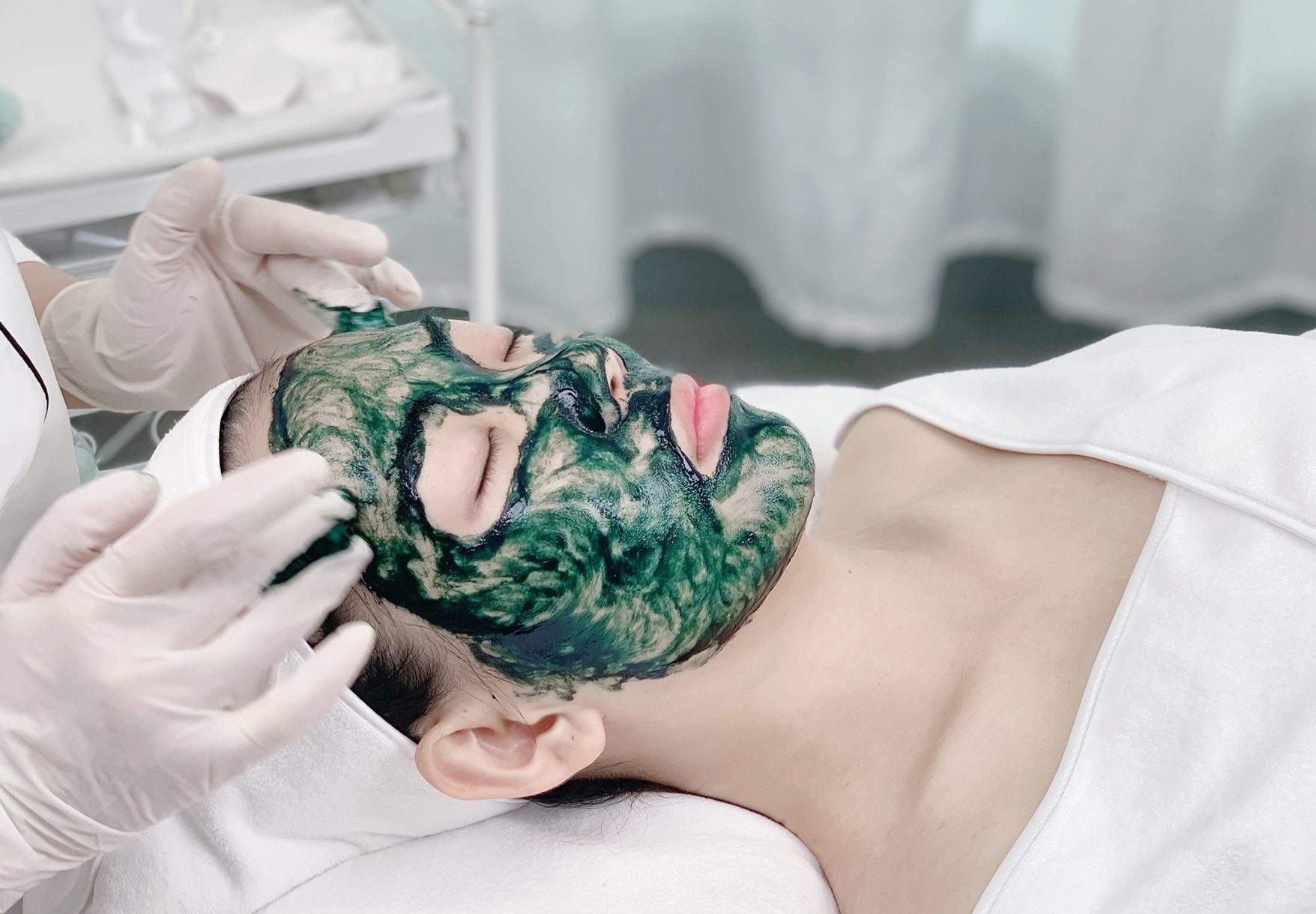
Clients managing sensitivity or facial barrier concerns can explore the Signature Skin Treatment at La Dermalogique, the sister company of The Brow & Beauty Boutique. This is a separate facial treatment and should not be performed over recently treated brows. Timing should be coordinated so removal and embroidery recovery are not disrupted.
Frequently asked questions
Do reddish brows always need full removal? No. The amount of lightening depends on the colour, saturation, old shape and new design. Partial removal may be sufficient in selected cases.
How long should I wait before redoing my brows? There is no universal interval. The skin must recover and the pigment must settle before the practitioner can judge whether more removal or redesign is appropriate.
Can brows done at another studio be corrected? Often they can be improved, but the pathway depends on pigment depth, colour, tissue condition and shape. An in-person assessment is essential.
Begin with the old pigment not the new trend
If Shan's natural-looking correction reflects your goal, start by assessing what is already in the skin. Learn more about brow removal and redesign, read the frequently asked questions, or book an appointment to discuss the old colour, previous procedures and the shape you hope to achieve.