
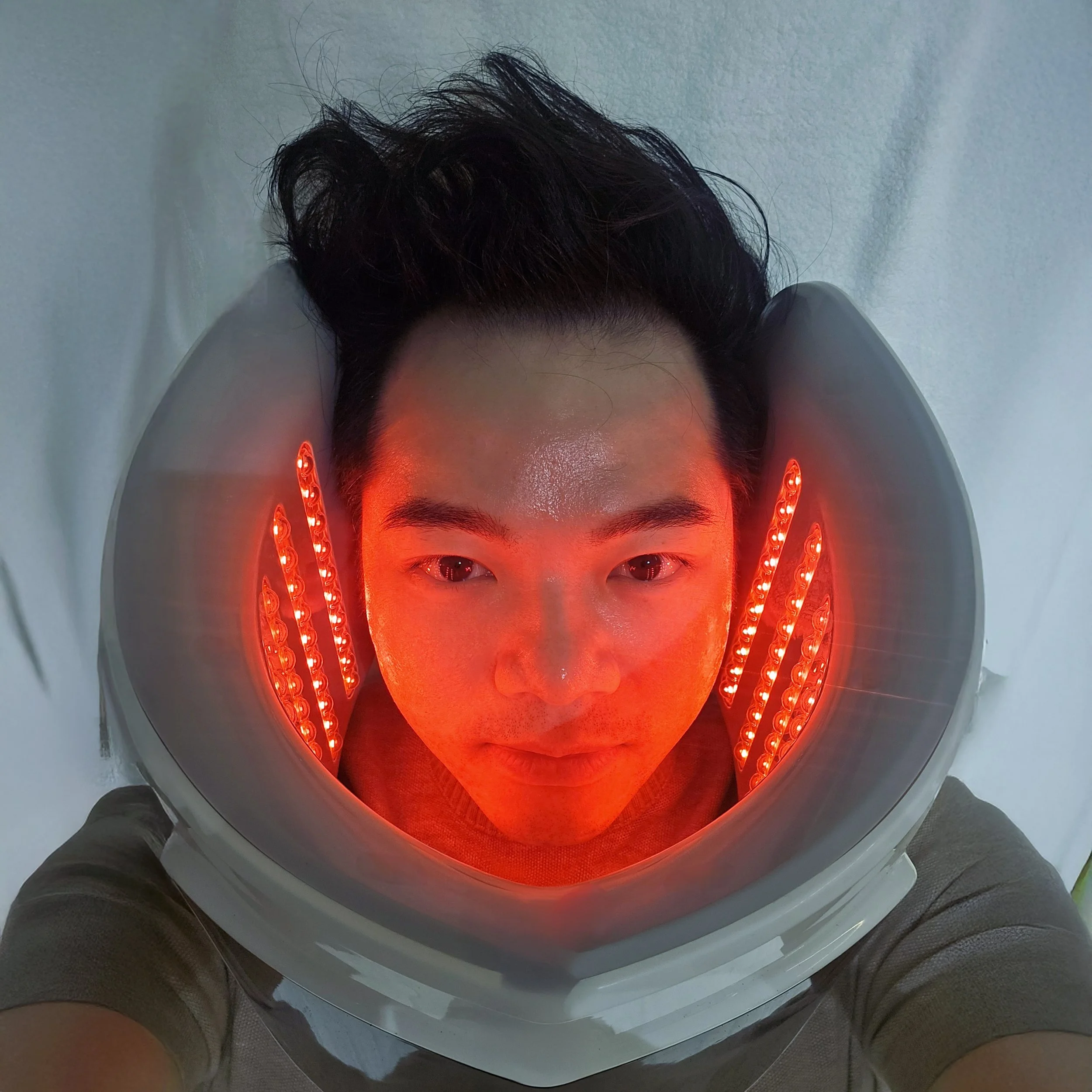
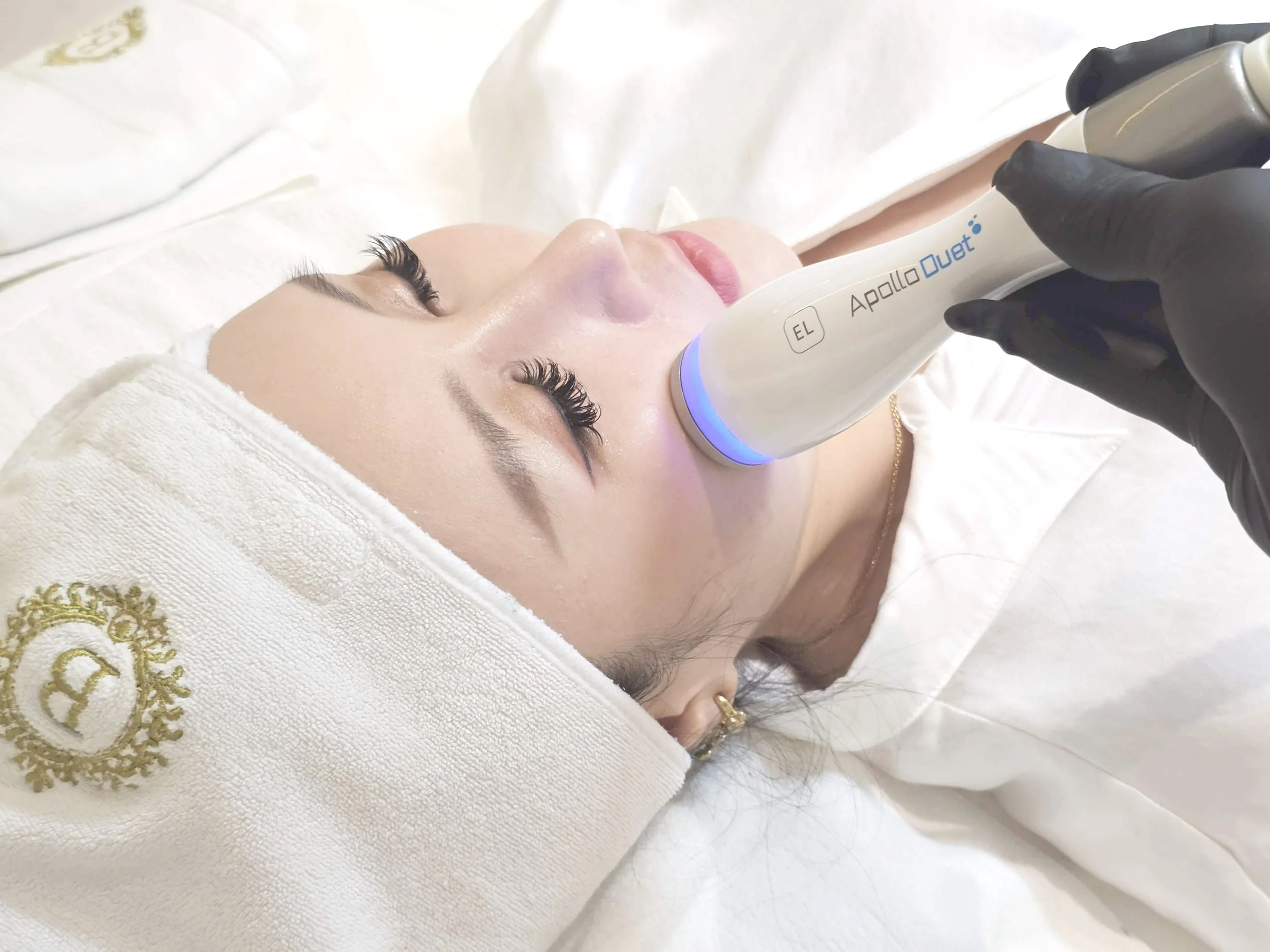
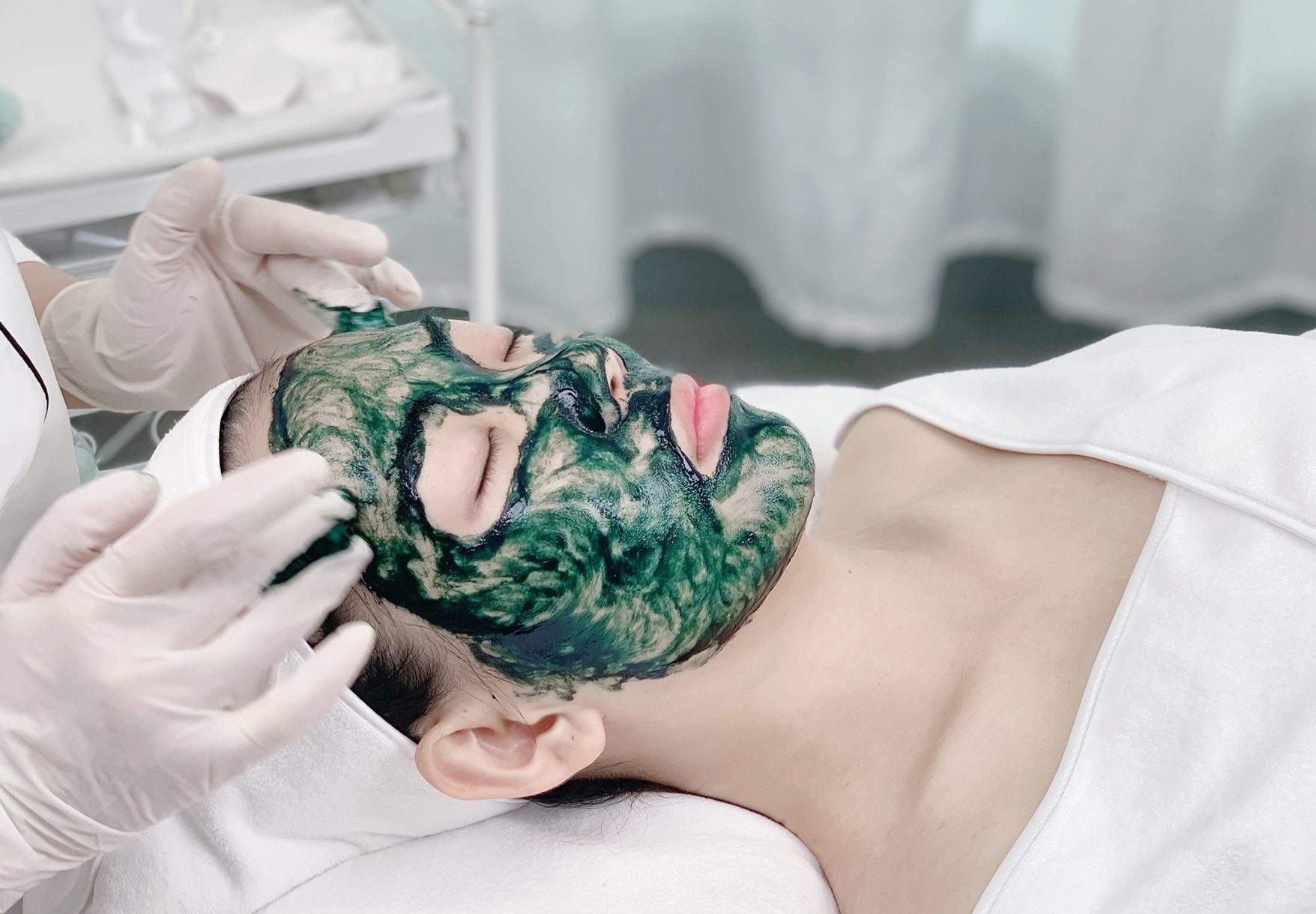

Early skin laxity often appears quietly. The skin may feel less supportive, contours soften subtly, and firmness seems harder to maintain despite regular care. At this stage, many clients feel caught between “doing nothing” and pursuing aggressive tightening treatments that may compromise tissue quality over time.
At The Brow & Beauty Boutique, early laxity is addressed through tissue-preserving skin management. Rather than forcing contraction or inducing repeated inflammation, the goal is to stabilise dermal structure, support collagen organisation, and protect long-term skin integrity.
Clients seeking context for this approach can begin with our Skin Management & Anti-Aging framework, which focuses on preservation before visible decline accelerates.
What Early Laxity Really Signals
Early laxity does not mean the skin has “collapsed.” It usually reflects subtle changes in collagen alignment, elastin recoil, and dermal support rather than true tissue loss. Fibroblast signalling may be slowing, recovery between treatments may take longer, and the dermal matrix may be less resistant to mechanical stress.
These changes often occur before crepiness or thinning is visible. At this stage, intervention can be highly effective—if it is conservative and biologically aligned. Escalating intensity too early can exhaust the very systems that maintain firmness.
Why Aggressive Tightening Can Accelerate Decline
Many tightening-focused treatments rely on acute inflammation or contraction to create immediate firmness. While this can produce short-term lift, repeated inflammatory cycles may fragment collagen, disrupt elastin structure, and impair recovery capacity—especially in skin that is only beginning to show laxity.
Tissue-preserving skin management takes a different view. The aim is not to pull the skin taut, but to maintain dermal strength and resilience so that laxity progresses more slowly and predictably.
Assessment Is Essential at the Early Laxity Stage
Because early laxity is subtle, accurate assessment is critical. At The Brow & Beauty Boutique, treatment planning begins with evaluating tissue quality, elasticity response, recovery behaviour, and treatment history rather than relying on surface appearance alone.
Clients concerned about early laxity are encouraged to book an Initial Skin Management Consultation. This consultation helps determine whether laxity is driven by dermal signalling changes, cumulative inflammation, or early collagen disorganisation.
Early assessment allows intervention to remain conservative while still effective.
Preserving Tissue Through Sequenced Support
Addressing early laxity requires patience and sequencing. Skin management prioritises supportive stimulation, adequate recovery windows, and avoidance of unnecessary inflammatory load. By respecting recovery cycles, fibroblasts remain responsive and collagen remodelling occurs under favourable conditions.
Clients who want a structured, preventative approach often transition into a Progressive Skin Conditioning Session. These sessions are designed to maintain tissue tone and resilience without pushing the skin into reactive states.
This approach helps delay the need for corrective intervention later.
Managing Expectations Without Overcorrection
Early laxity improves gradually. Initial changes may present as better skin support, improved rebound, and more stable contours rather than dramatic lifting. These outcomes reflect strengthened tissue rather than superficial tightening.
Skin management sets expectations clearly so clients understand that preserving tissue now often prevents more visible laxity later. This long-view strategy is central to sustainable anti-aging.
Clients often review our frequently asked questions to understand why restraint at this stage produces better long-term results.
Confidence Through Structural Preservation
When tissue integrity is preserved early, skin tends to age more evenly. Sudden drops in firmness are less likely, and maintenance becomes simpler and safer. This consistency supports long-term confidence without dependence on aggressive treatments.
Many clients describe this experience in our customer stories, where subtle preservation is valued more than short-lived lift.
Those interested in the philosophy behind tissue-preserving care can explore our story to understand why judgement and foresight guide every recommendation.
The La Dermalogique Perspective: Supporting Firmness Without Trauma
Early laxity benefits from supportive, non-disruptive intervention. Collaboration with La Dermalogique allows for treatments that enhance microcirculation, cellular communication, and tissue conditioning without compromising recovery.
Treatments such as the La Dermalogique Signature Skin Treatment and Signature Glow-Up Contouring are particularly well-suited for early laxity. These approaches reinforce dermal signalling while respecting tissue limits.
A Proactive, Tissue-First Path Forward
Early laxity is an opportunity, not a failure. When addressed through tissue-preserving skin management, progression can be slowed and skin strength maintained for longer.
Clients ready to take a proactive approach can book a Comprehensive Skin Management Session, where planning is guided by tissue health, recovery capacity, and long-term structural preservation.