When eyeliner no longer looks balanced or defined, many clients naturally think about redesigning the shape to restore symmetry or sharpness. While redesign can be appropriate at the right stage, introducing new design work before pigment stabilisation is one of the most common reasons eyeliner becomes heavier, blurrier, and less predictable over time. In the periocular region, sequencing matters as much as technique.
At The Brow & Beauty Boutique, eyeliner correction follows a medical-led principle: stabilise first, redesign later. This approach protects eyelid tissue, improves long-term clarity, and ensures that any future embroidery remains stable rather than deteriorating.
What Pigment Stabilisation Actually Means
Pigment stabilisation refers to the process of bringing existing eyeliner pigment into a predictable, visually controlled state before any new pigment is introduced. Over time, eyeliner pigment can migrate, diffuse, or concentrate unevenly due to depth, density, and eyelid movement. When this occurs, the tissue environment becomes unstable.
Stabilisation does not mean removing everything. It means addressing residual density, dermal diffusion, and edge instability so the pigment behaves consistently within the periocular region. Only when this behaviour is understood and controlled can redesign be considered safely.
Skipping this step forces new design work to sit on top of compromised conditions, increasing the likelihood of future distortion.
Why Redesigning Too Early Creates Long-Term Problems
Redesigning eyeliner before pigment stabilisation often appears successful at first. The added pigment temporarily sharpens edges or masks unevenness. However, this short-term improvement frequently leads to long-term decline.
When new pigment is added over unstable or migrated pigment, several issues arise. Density overload increases, pushing pigment deeper into tissue that is already prone to diffusion. Colour perception becomes distorted, as old and new pigments interact unpredictably. Most importantly, the eyelid margin loses its ability to hold clean boundaries.
Months or years later, the eyeliner often appears thicker, darker, and less defined than before. At that point, correction becomes more complex because the original instability has been compounded rather than resolved.
Stabilisation Is a Medical Decision, Not a Cosmetic Delay
In a medical-led correction framework, stabilisation is not a delay tactic. It is a safety requirement. The periocular region has limited tolerance for repeated trauma, and every intervention must be justified by tissue readiness rather than aesthetic urgency.
A structured correction plan evaluates pigment depth, spread pattern, and tissue response before deciding whether reduction, lightening, or observation is required. This allows specialists to determine when the eyelid is capable of supporting new pigment without accelerating diffusion.
This philosophy is explained in greater detail through the clinic’s approach to professional eyeliner colour correction in Singapore, where correction strategies are chosen conservatively to protect long-term outcomes.
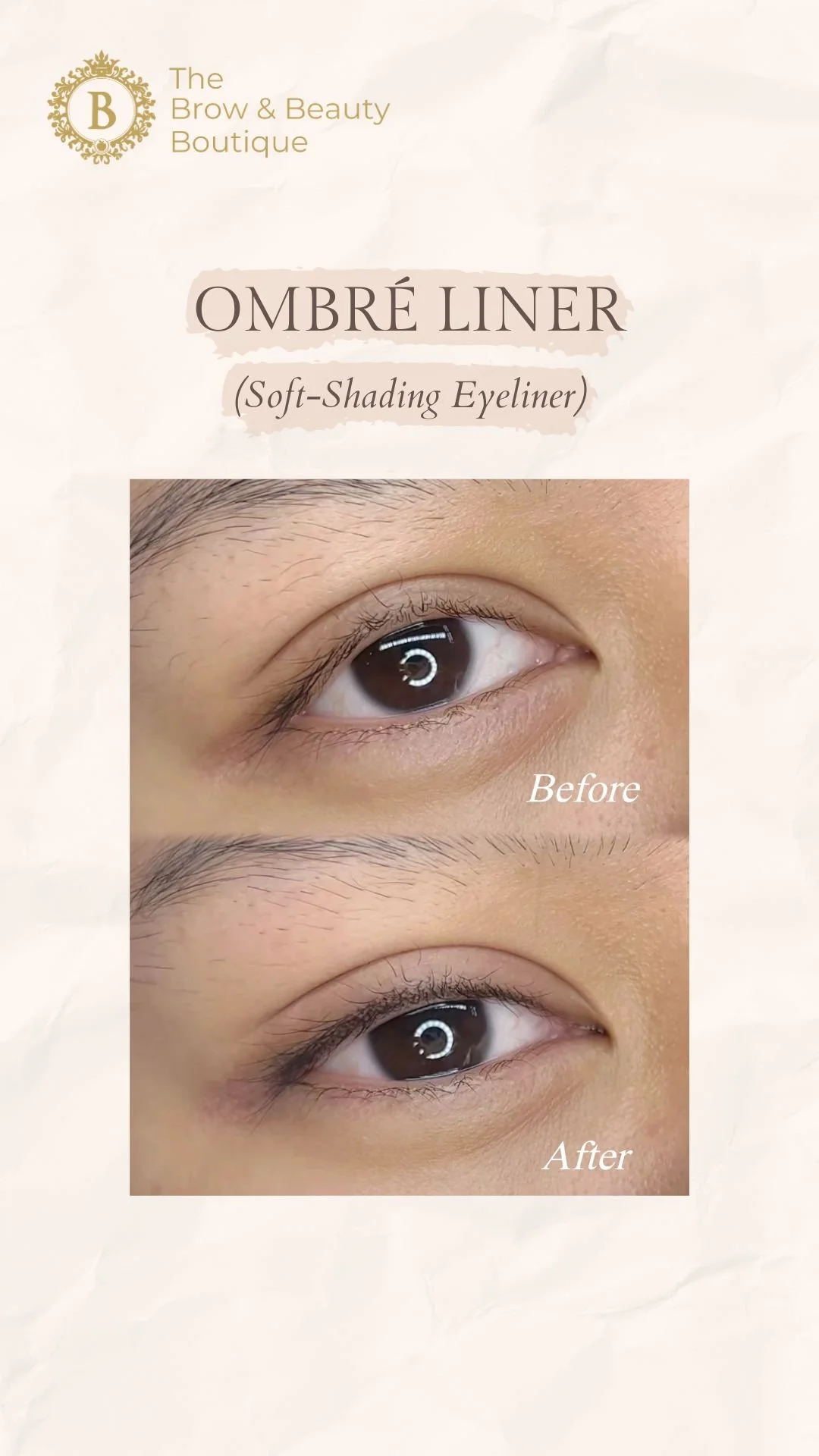
Begin With Stabilisation, Not Redesign
If your eyeliner feels uneven, heavy, or unclear, the most responsible first step is evaluation rather than redesign. A professional assessment determines whether the pigment is stable enough for refinement or whether correction should occur first.
Book an eyeliner correction consultation to receive guidance grounded in anatomy, pigment behaviour, and long-term safety rather than immediate visual fixes.
How Stabilised Pigment Improves Future Redesign
Once pigment has been stabilised, redesign becomes significantly more predictable. The eyelid margin regains clearer visual boundaries, allowing new pigment to be placed superficially and with controlled density. This reduces the likelihood of future migration and ensures the redesigned eyeliner ages more naturally with the skin.
In practical terms, stabilisation transforms redesign from a corrective act into a refinement. The specialist is no longer compensating for diffusion or density issues, but working on a neutral, cooperative canvas.
This is why modern eyeliner redesign is never rushed. It is sequenced only after the periocular environment has demonstrated stability.
When Redesign and Embroidery Become Appropriate
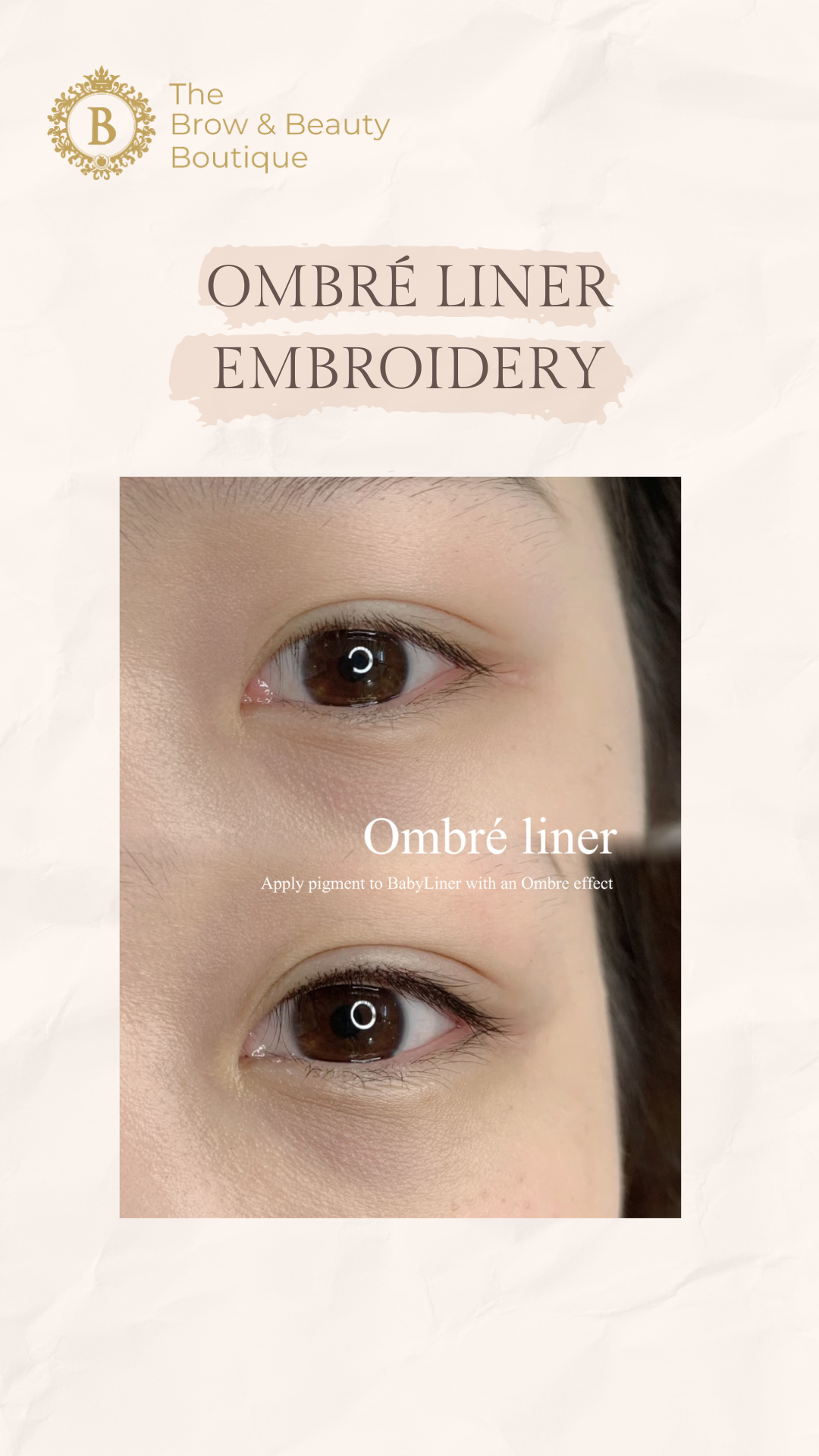
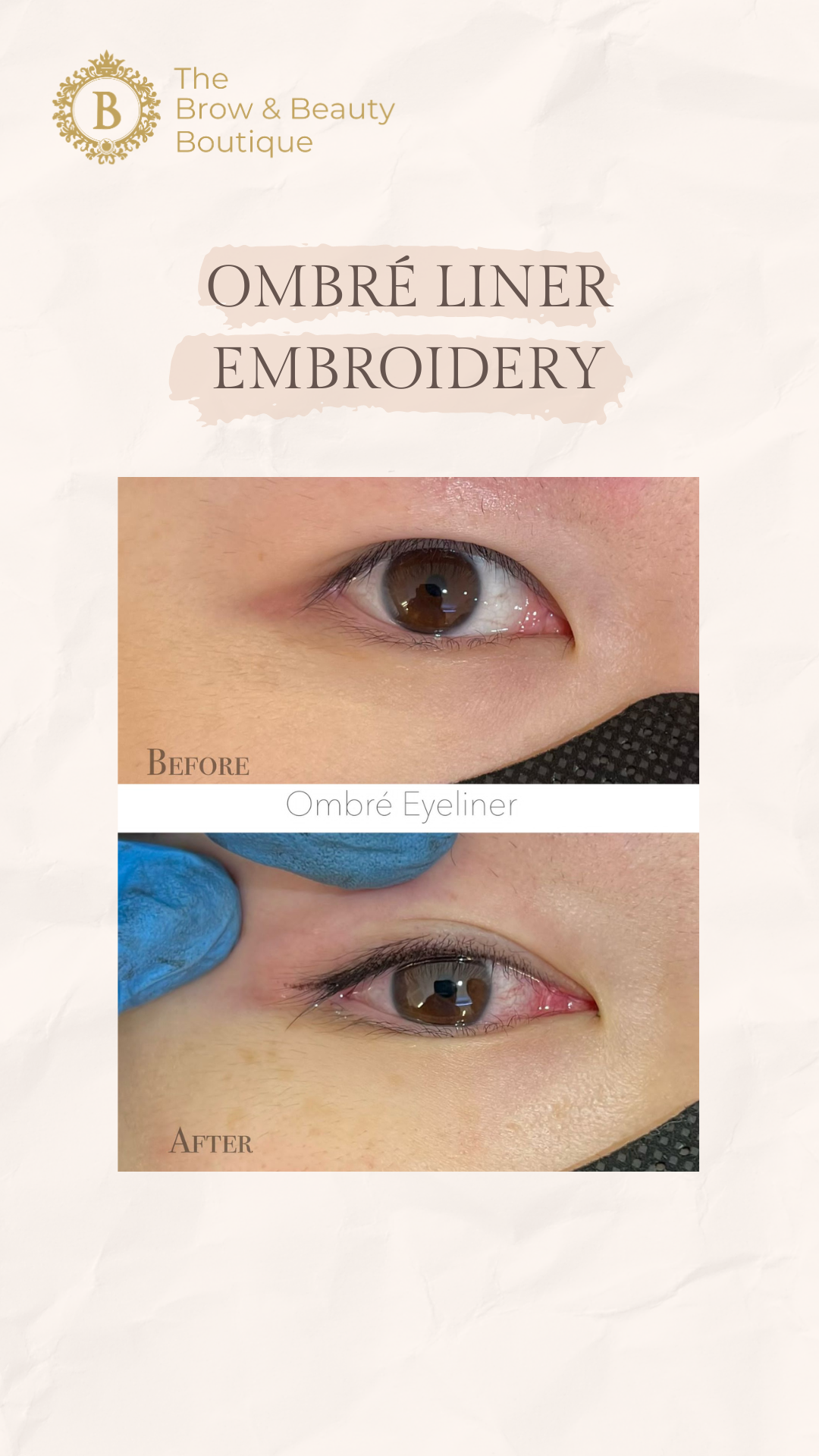
After stabilisation, some clients choose to redefine their eyeliner using contemporary embroidery techniques. These methods differ significantly from older approaches, prioritising lighter saturation, precise placement, and respect for eyelid anatomy.
Clients exploring this phase can review the clinic’s eyeliner embroidery services in Singapore, which outlines how modern techniques are designed for longevity rather than intensity.
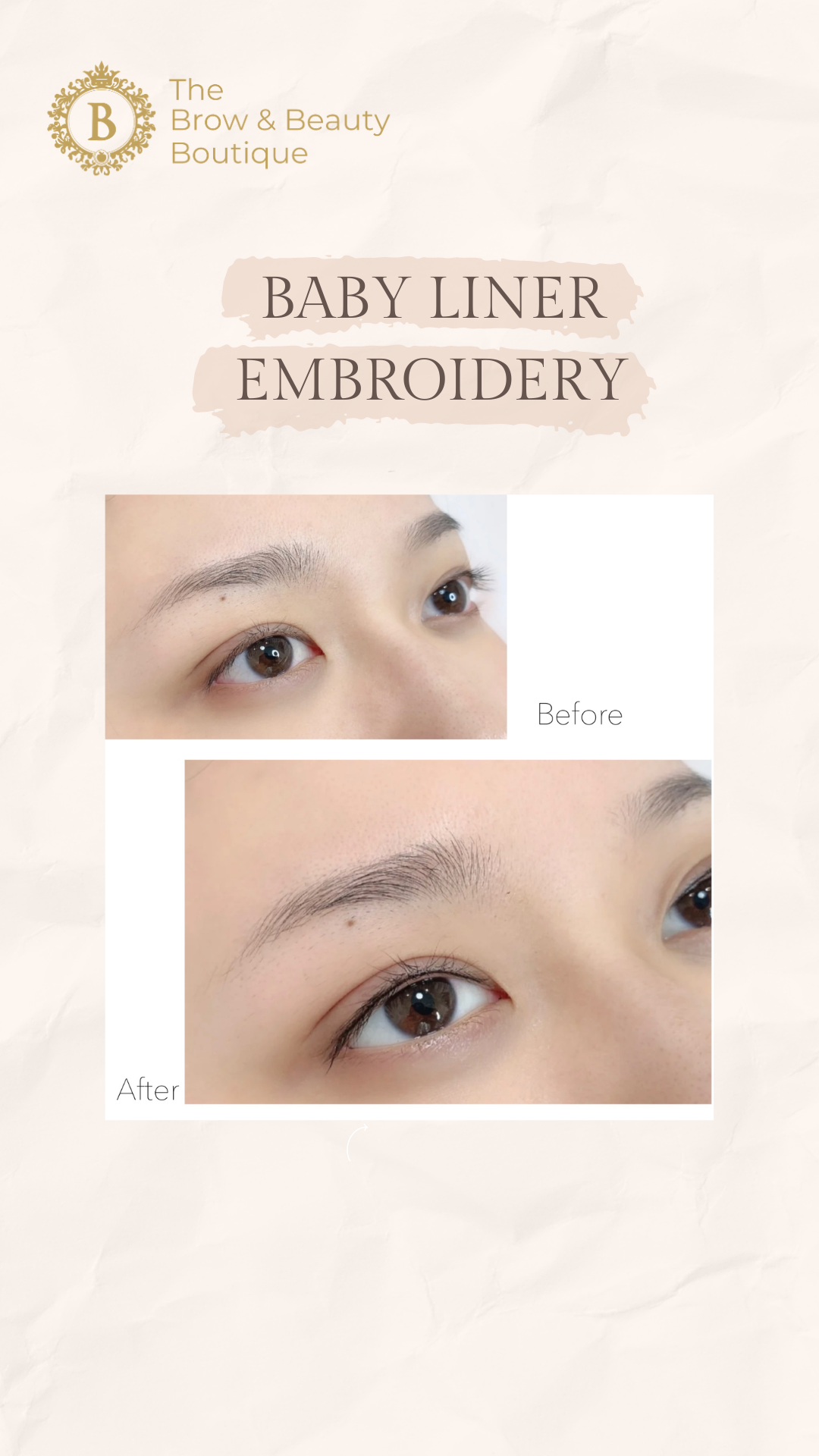
For those seeking subtle enhancement, baby eyeliner offers refined lash-line definition with minimal density. Others may prefer classic eyeliner for structured clarity that remains controlled.
Crucially, these options are only considered after pigment behaviour has been stabilised.
Supporting the Eyelid During the Stabilisation Phase
Stabilisation is not only about pigment management. Periocular skin health plays a meaningful role in how well the eyelid tolerates correction and future embroidery. Supporting hydration, circulation, and barrier integrity can improve comfort and healing quality between stages.
Many clients incorporate supportive care such as the La Dermalogique Eye Spa – Iris Clarity treatment during their correction journey. This approach supports periocular calmness and resilience without interfering with pigment protocols.
Stability Determines Longevity
Eyeliner redesign should never precede pigment stabilisation because design cannot correct instability. Only controlled correction can restore the conditions required for clear, durable results.
When stabilisation comes first, redesign becomes lighter, safer, and far more likely to hold its clarity over time.
Schedule your professional eyeliner correction consultation to begin a process built on sequencing, safety & results that last.