
Milia Seeds After Skin Trauma or Procedures: Adjusting Removal Strategy for Safety


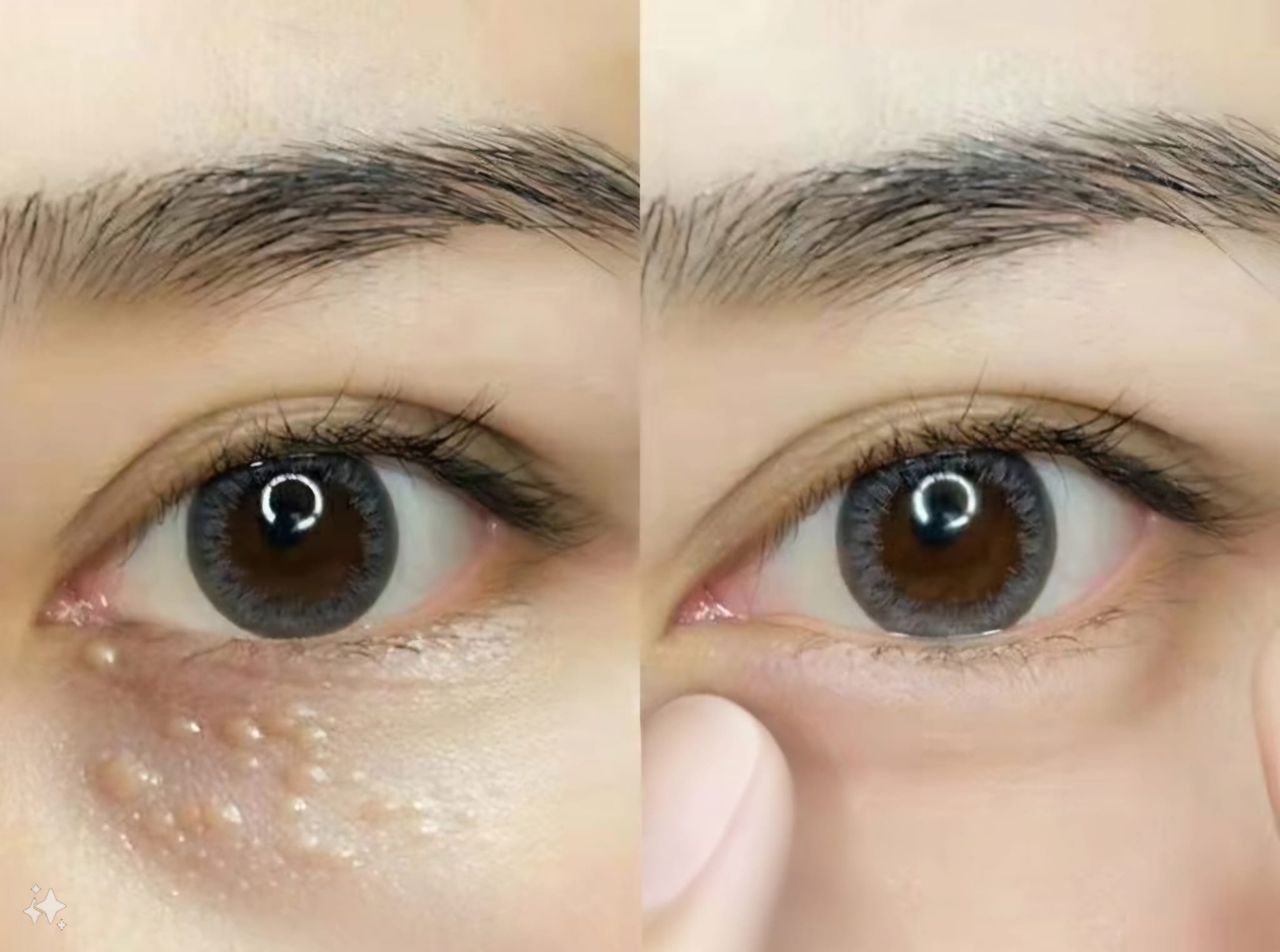

Milia seeds that appear after skin trauma or medical–aesthetic procedures require a different level of judgement. While milia themselves are benign, the context in which they form fundamentally changes how they should be treated. Skin that has recently undergone trauma behaves differently, heals differently, and responds to intervention differently.
At The Brow & Beauty Boutique, post-trauma milia cases are approached with heightened caution and clinical precision. The clinic has managed milia arising after a wide range of procedures, including aggressive facials, laser treatments, microneedling, chemical peels, and poorly executed extractions. This experience allows treatment plans to be adjusted safely, even when the skin is compromised.
Why Trauma Changes Milia Behaviour
Milia are subepidermal keratin cysts, but when they develop after trauma, they are often secondary milia. These form when the skin’s normal regeneration process is disrupted. Instead of shedding keratin efficiently, the skin traps it beneath a newly healed surface.
Trauma can include:
procedural injury
excessive exfoliation
burns or thermal exposure
prolonged inflammation
repeated mechanical stress
In post-trauma skin, the epidermis may appear healed while deeper layers remain unstable. Treating milia without accounting for this instability increases the risk of delayed healing, pigment disruption, and recurrence.
Why Standard Milia Removal Can Be Unsafe After Procedures
A common mistake in post-procedure cases is applying the same removal strategy used on intact skin. Recently traumatised skin has:
reduced barrier resilience
altered inflammatory thresholds
heightened melanocyte reactivity
Chemical approaches may penetrate unpredictably, while mechanical or heat-based methods may provoke excessive tissue response. Without modification, even technically correct procedures can lead to poor outcomes.
This is why post-trauma milia cases at The Brow & Beauty Boutique are never treated reflexively. Each case is reassessed from first principles before intervention.
Adjusting Strategy: Timing Comes First
In many post-procedure cases, the safest decision is not immediate removal. Skin that is still stabilising may benefit from a short recovery window before intervention. Attempting removal too early often turns a manageable issue into a prolonged one.
Reassessment focuses on:
tissue integrity
residual inflammation
pigment activity
healing trajectory
Only when the skin demonstrates predictable behaviour does targeted removal proceed. This philosophy underpins the clinic’s milia seed removal service, particularly for secondary milia.
Had Milia Appear After a Procedure?
If milia developed after a facial, laser, peel, or other treatment, removing them too quickly can cause more harm than good. You can book an appointment to assess whether your skin is ready for removal or needs stabilisation first.
Choosing the Right Method for Compromised Skin
When removal is appropriate, technique selection is adjusted. Chemical keratin breakdown is used cautiously, if at all, because traumatised skin often reacts disproportionately to prolonged chemical exposure.
Mechanical extraction may be preferred for isolated lesions, but only with precise depth control and minimal pressure. Energy-based methods, such as electrocautery, are used conservatively and only when they provide a clear advantage.
At The Brow & Beauty Boutique, energy application follows the same conservative principles used in RF Pulse–based treatments. Heat is applied narrowly, briefly, and only when tissue behaviour supports it.
Pigment Risk After Trauma
Pigment disruption is the most common complication when post-trauma milia are treated incorrectly. Inflammatory signals from the original procedure may still be active, and additional intervention can amplify melanocyte response.
This risk is higher in darker or pigment-sensitive skin but can occur in any skin type following trauma. Adjusting technique, timing, and aftercare is essential to avoid long-term marks.
In many cases, milia removal is paired with supportive care through skin management and anti-aging treatments to restore barrier function and reduce inflammatory load before or after removal.
Why Experience Matters More After Trauma
Post-procedure milia cases are where inexperience shows most clearly. Protocol-only approaches fail because they do not account for cumulative tissue stress.
The Brow & Beauty Boutique’s advantage lies in exposure. The clinic has resolved milia following:
laser resurfacing
aggressive chemical peels
repeated extraction attempts
thermal injury
prolonged irritation from active products
This pattern recognition allows early identification of when removal should proceed, when it should pause, and when strategy must change entirely.
Clients often arrive worried that their skin is “too damaged” to treat. In most cases, the issue is not irreversibility but timing and method mismatch. Outcomes reflecting this reassessment-first approach are shared in our customer stories.
Safety Is Dynamic, Not Static
Safety in milia removal is not defined by the method alone. It is defined by whether the method is appropriate for the skin in its current state. Post-trauma skin demands restraint, patience, and adjustment.
At The Brow & Beauty Boutique, no case is rushed and no procedure is repeated without justification. This is how complex, post-procedure cases are resolved without compounding damage.
Protect Healing Skin While Resolving Milia
If milia appeared after skin trauma or a cosmetic procedure, the safest next step is professional reassessment. You can book an appointment to determine the right timing and method for removal without compromising healing.