
Does Skin Oiliness Affect Milieucide Outcomes? Separating Myths from Clinical Reality
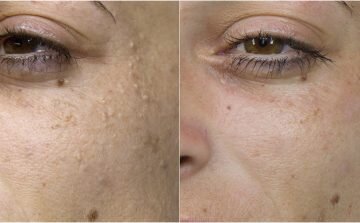

Skin oiliness is one of the most frequently blamed factors when milia treatments fail. Clients are often told that oily skin “doesn’t respond,” that milia will always come back, or that chemical approaches like milieucide are ineffective simply because of sebum production. Clinically, this explanation is incomplete and often misleading.
At The Brow & Beauty Boutique, oily skin is treated as a variable, not a limitation. The clinic has managed a high volume of milia cases across oily, combination, and acne-prone skin, including clients who were previously told their skin type made treatment unreliable. In reality, outcomes depend far more on keratin behaviour, cyst structure, and technique selection than on oil alone.
The Myth: Oiliness Prevents Milia Resolution
Sebum production does influence how skin behaves, but it does not determine whether milia can be treated successfully. Milia are subepidermal keratin cysts, not sebaceous blockages. They form when keratin becomes trapped beneath the skin surface, not when oil accumulates.
The myth persists because oily skin often coincides with:
slower visible exfoliation
thicker stratum corneum
higher tolerance for occlusive products
These factors can make milia appear more persistent, but they do not make them untreatable. Confusing oil with keratin behaviour leads to incorrect conclusions and ineffective treatment planning.
How Oiliness Actually Interacts With Milieucide
Milieucide, or chemical keratin breakdown, works by encouraging gradual softening of keratin so that the skin can shed it naturally. In oily skin, this process can be affected indirectly.
Oily skin often tolerates chemical agents better initially, which can mask early irritation. This sometimes leads to prolonged chemical use without reassessment. Over time, cumulative low-grade inflammation can disrupt barrier function, paradoxically slowing keratin turnover rather than improving it.
At The Brow & Beauty Boutique, chemical strategies are used cautiously in oily skin, not because they are ineffective, but because their success depends on tight monitoring and timely adjustment. Oiliness does not negate results, but it does change how long chemistry should be relied upon.
When Oiliness Is Not the Problem
In many failed cases, the real issue is that milieucide is being applied to deep or fibrotic milia. No amount of oil control or exfoliation will allow surface chemistry to reach a deeply encapsulated cyst.
This is where reassessment becomes critical. When milia do not respond within an expected timeframe, the issue is not oiliness, but method mismatch. Continuing chemical treatment in this scenario increases irritation without resolving the cyst.
This distinction is central to the clinic’s milia seed removal service, where treatment strategy is adjusted based on response, not skin type labels.
Been Told Your Oily Skin Is the Problem?
If you’ve been advised that your milia can’t be resolved because your skin is oily, a proper assessment may tell a very different story. You can book an appointment to determine whether oiliness is truly limiting your outcome, or whether a different approach is needed.
Comparing Outcomes: Oily vs Non-Oily Skin
Clinically, oily skin does not show poorer outcomes when the correct method is used. In fact, oily skin often heals efficiently after mechanical or energy-based intervention because it maintains hydration well.
Problems arise only when treatment is chosen based on assumptions rather than behaviour. Repeating chemical approaches solely because a client is oily often delays resolution. Conversely, moving to mechanical or energy-assisted removal when indicated often resolves milia cleanly, regardless of oil level.
Energy-based methods, when required, are applied conservatively using the same restraint principles seen in RF Pulse–based treatments. Oiliness does not increase risk when heat is controlled and precisely delivered.
Oiliness, Inflammation, and Pigment Risk
One legitimate consideration in oily skin is inflammatory load. Oily skin is often acne-prone, which means background inflammation may already be present. Adding prolonged chemical irritation can tip the balance toward delayed healing or pigment changes.
This is why The Brow & Beauty Boutique does not escalate chemical intensity in oily skin. Instead, it reassesses early and pivots when necessary. In some cases, stabilising the skin barrier first through targeted skin management and anti-aging care improves both tolerance and outcomes.
Why High-Exposure Experience Matters
Clinics that rely on simplified rules such as “oily skin doesn’t respond” tend to repeat ineffective treatments. High-exposure experience reveals that oily skin behaves differently across individuals and across time.
The Brow & Beauty Boutique has resolved milia in clients with:
chronically oily skin
acne-prone skin
oily skin with prior chemical overuse
oily skin mislabelled as the cause of failure
This pattern recognition allows the clinic to separate coincidence from causation. Outcomes reflecting this reassessment-first approach are documented through our customer stories.
Clinical Reality: Oil Is a Factor, Not a Verdict
Oiliness influences how the skin responds to certain treatments, but it does not determine success or failure. The real predictors of outcome are:
milia depth and structure
cumulative inflammation
technique selection
timing of reassessment
When these are managed correctly, oily skin does not prevent resolution. It simply requires informed adjustment.
Get Answers Based on Skin Behaviour, Not Myths
If you’re navigating milia treatment with oily skin and want clarity rather than assumptions, professional evaluation is the safest path forward. You can book an appointment to understand what your skin is actually doing and which approach will work best.