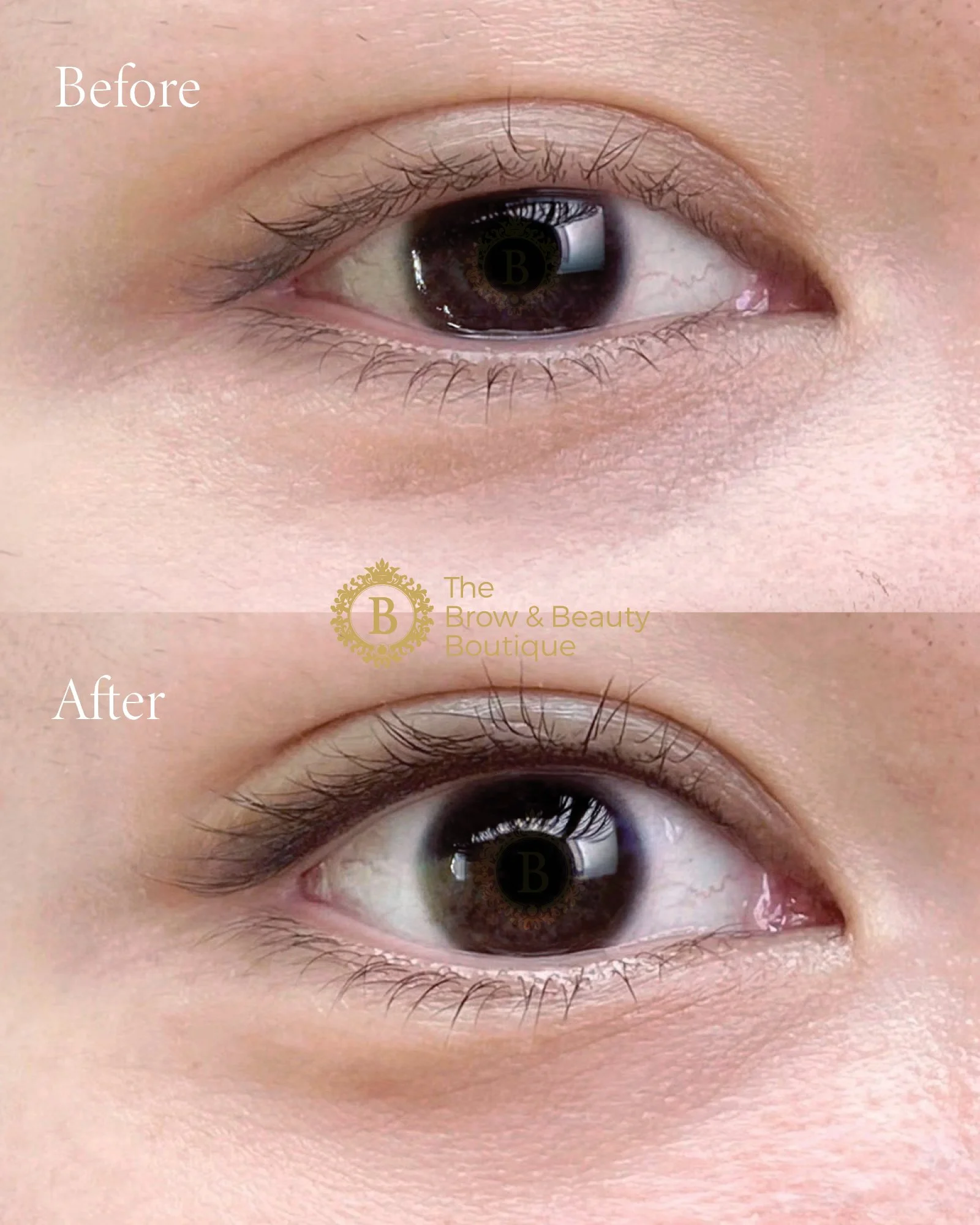


Sparse temples are one of the most noticeable hairline concerns because the temples form the transition between the forehead and the sides of the head.
When these areas contain less hair, the forehead may appear wider, the hairline may look more M-shaped, and hairstyles that pull the hair backwards can make the empty areas particularly visible.
But “sparse temples” does not describe one single problem.
The difference may relate to natural hairline shape, hair direction, reduced density or progressive hair loss.
Understanding which is occurring helps determine whether a cosmetic service such as Baby Hairline Embroidery is appropriate.
Some People Naturally Have Sparse Temples
Not every empty-looking temple represents hair loss.
Some people naturally have deeper frontal corners or fewer fine hairs around the edges.
If the shape has remained stable for years, the concern may be primarily aesthetic.
Fine Baby Hairline Embroidery strokes can create the visual impression of additional hairs in these areas, helping the temple transition appear softer.
Hair Direction Affects Density
As with asymmetrical hairlines, direction matters.
Hair that grows backwards from the temple can expose more skin.
The same number of hairs growing forward can appear considerably denser.
That is why Baby Hairline Embroidery should be designed according to the behaviour of surrounding natural hair rather than treating every sparse area with identical stroke patterns.
Hair Density Can Change Over Time
Sparse temples can also develop gradually.
When this happens, the current appearance is only part of the issue.
A cosmetic procedure may help visually fill an area, but it does not stop the underlying process responsible for continued thinning.
For clients who want to focus on their existing natural hair and scalp, Microneedling for Hair Regrowth represents a separate growth-oriented pathway.
The service is positioned around controlled scalp microneedling and natural-hair support rather than pigment-based camouflage.
Uneven Hairline Density Can Occur Behind the Edge
Another important distinction is where the sparsity occurs.
If the hairline itself has empty gaps, elongated hair-like strokes may make visual sense.
If many hairs are still present at the edge but scalp is visible between them, Scalp Micropigmentation may address the concern more directly through follicle-like pigment impressions.
This creates a simple framework:
Sparse edge → individual hair-stroke problem.
Visible scalp → density problem.
Changing natural hair → biological-hair concern.
Can Sparse Temples Make the Forehead Look Bigger?
Yes, visually.
When the temple corners contain less hair, more forehead skin remains exposed laterally.
That can make the forehead appear wider even if the centre of the hairline has not changed.
This is why someone asking for “forehead reduction” may actually benefit more from subtle temple refinement than from trying to move the entire apparent hairline downward.
Why Not Simply Fill Every Empty Area?
Because natural hairlines are not uniformly dense.
Overfilling can make the transition look heavy.
The aim of Baby Hairline Embroidery should be to create enough visual information for the eye to perceive a softer hairline while still allowing the area to resemble naturally occurring fine hairs.
Treatment individualisation matters particularly around the temples because stroke direction changes rapidly as the hairline curves around the face.
When Should You Seek an Assessment?
Consider an assessment if:
Temple sparsity affects how you style your hair
One side looks noticeably different from the other
You are unsure whether the hairline is actually receding
You want a fuller-looking edge without surgery
You are unsure whether Baby Hairline Embroidery, SMP or a natural-hair treatment better matches the concern
The Brow & Beauty Boutique's FAQ provides additional information about its treatments and consultation process.
You can also visit Our Story for more information about its specialist semi-permanent makeup background.
Treat the Concern, Not Just the Empty Space
Sparse temples can look deceptively simple.
But the most appropriate solution depends on why the area looks sparse and what type of result is wanted.
Baby Hairline Embroidery can create individual hair-like strokes.
SMP can create visual density.
Microneedling follows a natural-hair-support pathway.
Understanding those distinctions is more valuable than choosing a treatment based only on the word “thinning.”
If you would like help determining which approach suits your temples and hairline, book an appointment for an individual assessment.