

Some skin no longer responds the way it once did. Treatments feel less effective, recovery takes longer, and visible improvements arrive slowly or inconsistently. This pattern is often described as “stubborn” or “unresponsive” skin, but the underlying issue is usually reduced regenerative capacity.
At The Brow & Beauty Boutique, this condition is approached through skin management, not escalation. When regenerative capacity declines, pushing harder rarely produces better results. Instead, anti-aging strategies must shift toward restoring the skin’s ability to repair, remodel, and respond predictably.
Clients who want context for this approach can begin with our Skin Management & Anti-Aging framework, which prioritises biological readiness over intensity.
What Reduced Regenerative Capacity Really Means
Regeneration refers to the skin’s ability to initiate repair processes following stimulation. This includes fibroblast activation, collagen synthesis, vascular response, and resolution of inflammation. When these systems slow, the skin may still tolerate treatment, but the benefits are muted or short-lived.
Common signs include slower healing, diminished collagen response, persistent dullness, or results that plateau quickly. These changes are not failures of effort or consistency. They reflect biological shifts that require a different anti-aging strategy.
Understanding this distinction prevents unnecessary overtreatment and protects long-term skin integrity.
Why Regenerative Capacity Declines Over Time
Reduced regeneration is rarely caused by age alone. It often develops due to cumulative factors such as repeated inflammatory treatments, insufficient recovery windows, chronic barrier stress, or long-standing oxidative load.
When these factors overlap, the skin enters a low-response state. Treatments that once worked well may produce inconsistent or minimal change. Skin management reframes the goal from “stimulating harder” to creating conditions where regeneration can occur again.
Assessment Before Intervention Is Critical
For skin with reduced regenerative capacity, assessment is the most important step. At The Brow & Beauty Boutique, treatment planning begins with evaluating recovery behaviour, treatment history, inflammatory load, and tolerance thresholds rather than surface appearance alone.
Clients experiencing stalled results are encouraged to book an Initial Skin Management Consultation. This consultation identifies whether regenerative slowdown is driven by overexposure, barrier compromise, or recovery bottlenecks.
With proper assessment, care can be recalibrated without sacrificing long-term outcomes.
Why Escalation Often Suppresses Regeneration Further
A common response to reduced results is escalation: stronger devices, more frequent treatments, or layered actives. In skin with limited regenerative capacity, this approach often backfires. Excessive stimulation prolongs inflammation and diverts energy away from repair.
Skin management avoids this cycle by reducing inflammatory burden, spacing treatments appropriately, and allowing repair cascades to complete. This creates an environment where fibroblasts and dermal systems can re-engage more effectively.
Clients who require structured recalibration often transition into a Progressive Skin Conditioning Session, where pacing and modality selection are tailored to regenerative limits.
Supporting Regeneration Before Visible Change
When regenerative capacity is low, early progress may feel subtle. Improvements often appear first as better recovery, reduced sensitivity, and more consistent response between sessions. These changes signal that repair systems are reactivating, even before visible firmness or texture changes occur.
Anti-aging skin management sets expectations clearly so clients understand that regeneration precedes transformation. This transparency prevents frustration and reduces the temptation to overtreat.
Clients seeking reassurance about timelines and safety often consult our frequently asked questions, which explain why regeneration must be supported before results accelerate.
Long-Term Benefits of Restored Regenerative Function
When regenerative capacity improves, anti-aging outcomes become more durable. Skin responds more predictably, downtime shortens, and maintenance becomes simpler. Over time, this reduces reliance on aggressive interventions and supports healthier aging trajectories.
Many clients describe this shift in our customer stories, where improved response and stability matter more than rapid change.
Those interested in the clinical philosophy behind this approach can also explore our story to understand why restraint and biological alignment guide every recommendation.
The La Dermalogique Perspective: Re-Engaging Regeneration Gently
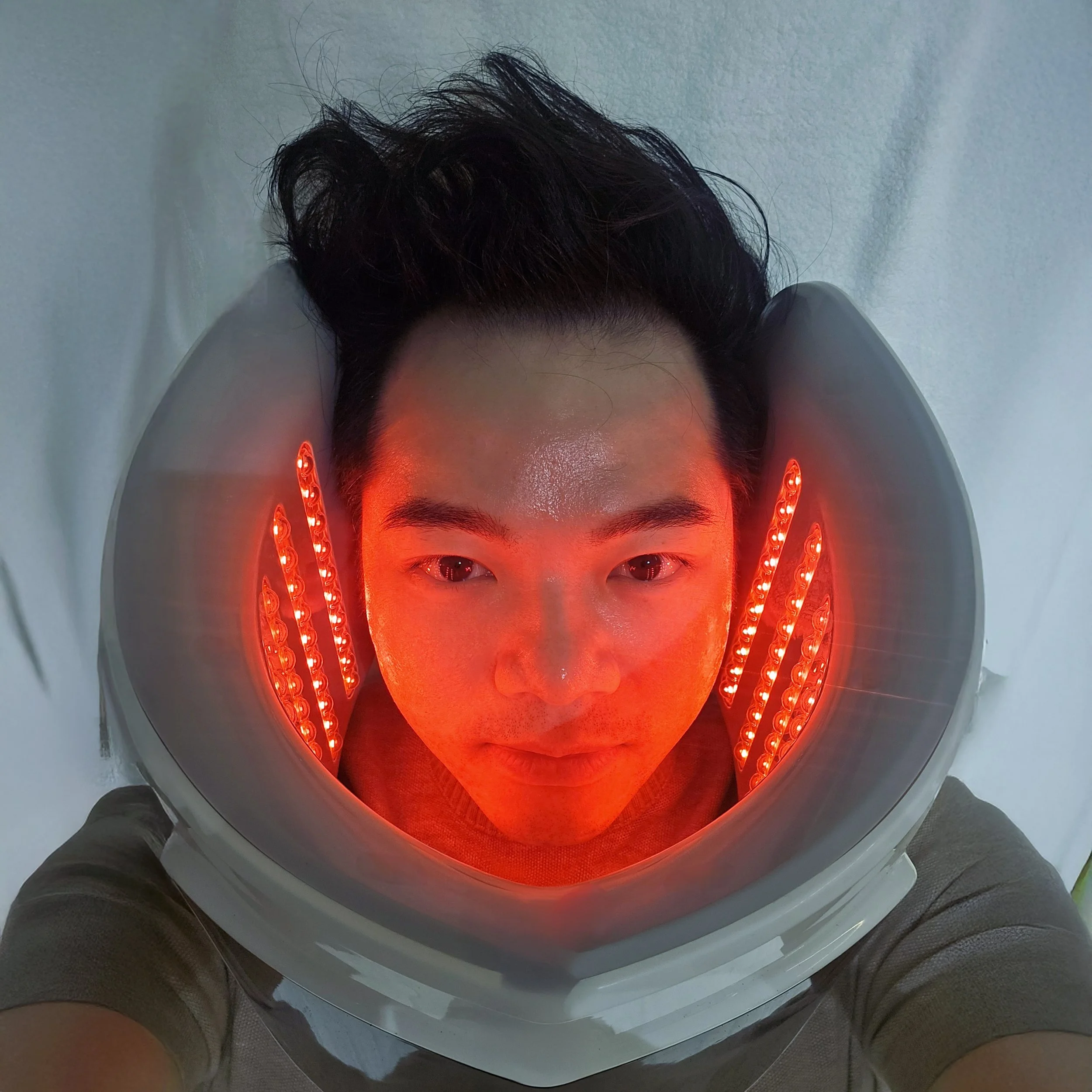
Supporting regeneration often requires non-disruptive intervention. Collaboration with La Dermalogique allows access to treatments that enhance microcirculation, cellular communication, and tissue oxygenation without overwhelming recovery systems.
Treatments such as the La Dermalogique Signature Skin Treatment and Signature Glow-Up Contouring are frequently integrated for skin with reduced regenerative capacity. These approaches help re-engage repair pathways under favourable conditions.
A Regeneration-First Anti-Aging Pathway
Reduced regenerative capacity does not exclude someone from anti-aging care. It simply requires a more precise, biologically aligned strategy. When regeneration is supported first, visible improvements follow more reliably.
Clients ready to begin this recalibrated approach can book a Comprehensive Skin Management Session, where planning is guided by regenerative capacity, recovery response, and long-term dermal health.