Why Some Eyeliner Corrections Fail and How a Medical-Led Process Ensures Predictable Outcomes


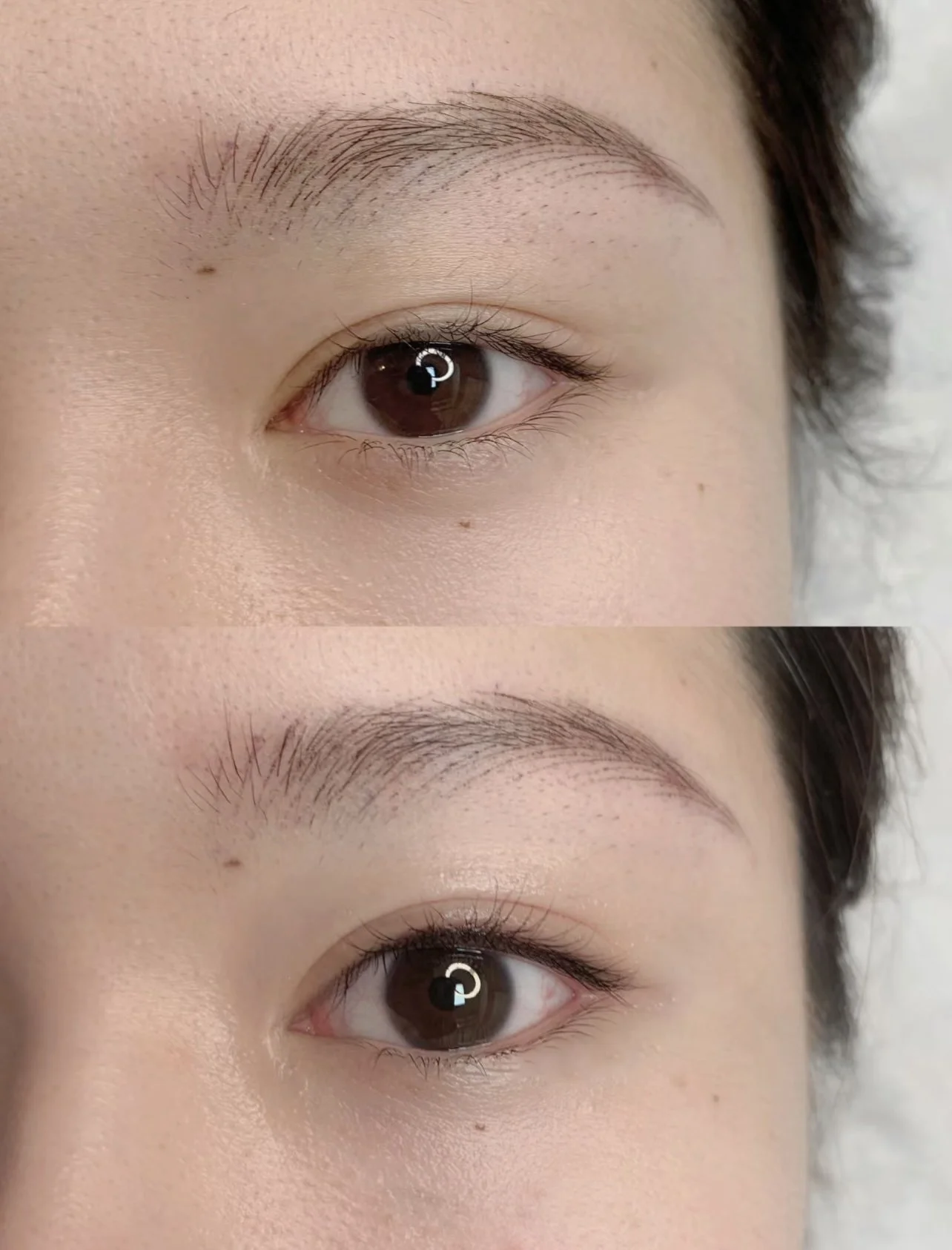
Eyeliner correction sits at the intersection of aesthetics, anatomy, and pigment science. When it succeeds, definition is restored and the periocular region looks cleaner and lighter. When it fails, eyeliner often appears darker, thicker, or more diffuse than before. These outcomes are not random. In most cases, failure follows a pattern rooted in insufficient assessment, improper sequencing, or overly aggressive technique.
At The Brow & Beauty Boutique, eyeliner correction is approached as a medical-led process rather than a cosmetic quick fix. Predictable outcomes depend on understanding why corrections fail in the first place and how a structured, anatomy-first method prevents those failures.
The Most Common Reasons Eyeliner Corrections Fail
Periocular tissue has limited tolerance for error. The eyelid skin is thin, mobile, and highly reactive, with constant movement from the orbicularis oculi muscle. When correction methods ignore these realities, complications follow.
The most frequent causes of failure include:
Skipping assessment and proceeding without understanding pigment depth or spread pattern
Treating all pigments the same, despite variations in age, composition, and implantation depth
Overcorrection, where aggressive lightening or repeated passes provoke inflammation
Immediate re-tattooing, which increases density overload instead of resolving it
These missteps often lead to increased diffusion artefacts, chromatic shifts, or prolonged healing. Importantly, these outcomes are procedural, not personal. They reflect how the correction was planned and executed.
Why Cosmetic Fixes Rarely Work Near the Eyes
A purely cosmetic mindset tends to prioritise speed and surface appearance. In the periocular region, this approach is risky. Adding pigment to “sharpen” edges or attempting full removal in one session often destabilises tissue and worsens pigment behaviour.
Medical-led eyeliner correction replaces cosmetic assumptions with controlled periocular pigment management. Instead of forcing a visual outcome, the goal is to stabilise pigment behaviour first. This may involve partial reduction, staged lightening, or observation periods between sessions.
The rationale behind this conservative approach is detailed in the clinic’s guide to professional eyeliner colour correction in Singapore, which explains why restraint produces more reliable long-term results than aggressive intervention.
Assessment Is the Foundation of Predictable Outcomes
A medical-led process begins with assessment, not treatment. Pigment depth, residual density, diffusion pattern, eyelid anatomy, and tissue reactivity are all evaluated before any correction strategy is chosen.
This step determines whether correction should be incremental, partial, or stabilisation-focused. It also sets realistic expectations for timelines and outcomes, preventing rushed decisions that compromise safety.
Start With a Proper Eyeliner Correction Assessment
If you have been told that your eyeliner “can’t be fixed” or advised to tattoo over it immediately, a second opinion grounded in medical judgement is essential.
Book a professional eyeliner correction consultation to receive an assessment based on anatomy, pigment science, and long-term periocular safety rather than cosmetic shortcuts.
How a Medical-Led Process Prevents Failure
Once assessment is complete, correction follows an incremental protocol. Excess pigment is reduced gradually, allowing tissue to recover and stabilise between sessions. This minimises post-inflammatory response and reduces the risk of unintended colour shifts.
By observing how pigment responds biologically rather than forcing immediate results, specialists can adjust technique and pacing. This flexibility is what transforms unpredictable outcomes into controlled ones.
When Eyeliner Embroidery Is Reintroduced Safely
Eyeliner embroidery is not excluded from a medical-led approach. It is simply sequenced correctly. Only after diffusion artefacts and density overload have been addressed is redefinition considered.
Modern embroidery techniques prioritise superficial dermal placement, controlled saturation, and anatomical alignment with the eyelid margin. This is fundamentally different from older methods that relied on heavy pigment load.
Clients exploring refinement can review eyeliner embroidery services in Singapore, including lighter options such as baby eyeliner or structured yet balanced classic eyeliner. These are applied only when the periocular tissue is ready.
Supporting Periocular Recovery Throughout Correction
Correction outcomes are also influenced by how well the periocular skin recovers between stages. Supporting hydration, circulation, and barrier integrity improves comfort and predictability.
Many clients incorporate adjunctive care such as the La Dermalogique Eye Spa – Iris Clarity treatment to maintain periocular calmness and tissue resilience during their correction journey.
Predictability Comes From Process, Not Promises
Eyeliner correction does not fail because the eye area is “too difficult.” It fails when process is ignored. A medical-led approach grounded in assessment, sequencing, and restraint is what ensures predictable outcomes.
If you are considering correction, the safest first step is professional evaluation rather than immediate action.
Schedule your eyeliner correction consultation to begin a correction journey built on judgement, safety & long-term clarity.