
Anti-Aging Support for Skin That Shows Early Sagging and Texture Change
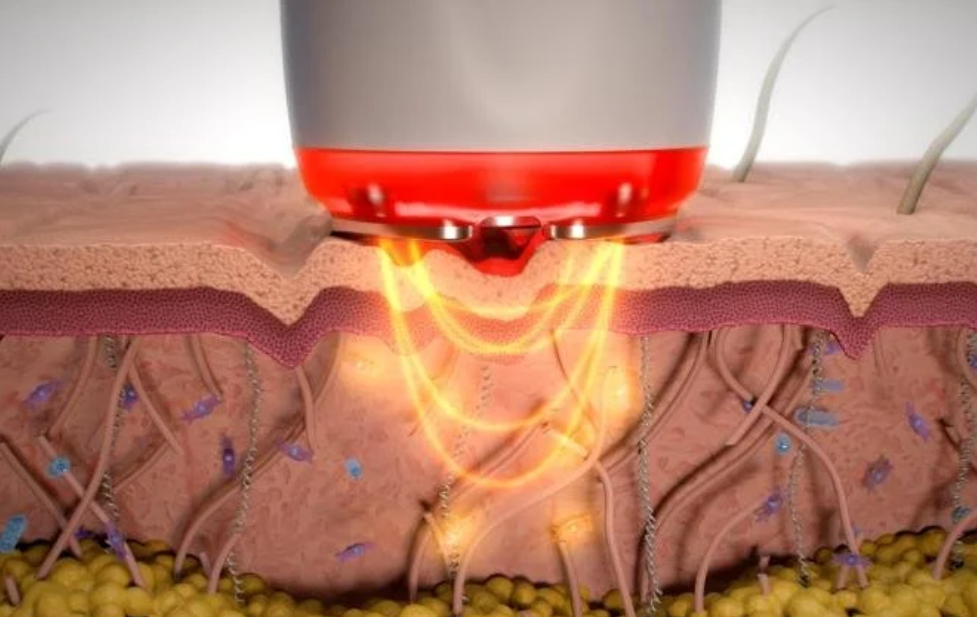


Early sagging and subtle texture changes are often the first signs that skin is transitioning out of its peak regenerative phase. These changes can appear deceptively mild—slight softness, reduced bounce, or uneven surface refinement—but they usually reflect deeper shifts in dermal support and cellular signalling rather than surface-level aging alone.
At The Brow & Beauty Boutique, early sagging is approached through skin management: an assessment-led, biologically informed strategy that supports skin structure before laxity becomes pronounced. This allows intervention to remain conservative while still producing meaningful, long-term improvement.
Clients looking for an overview of this approach can begin with our Skin Management & Anti-Aging framework, which focuses on maintaining skin integrity rather than reacting to advanced aging.
Why Early Sagging and Texture Change Occur
Skin firmness and smooth texture depend on a well-organised dermal matrix, responsive fibroblast activity, and intact barrier function. In the early stages of aging, these systems do not fail abruptly—they gradually lose efficiency.
Contributing factors include reduced collagen turnover, early elastin fragmentation, cumulative oxidative stress, and subtle dehydration linked to barrier slowdown. The visible result is skin that no longer rebounds as quickly and texture that appears less refined, even if wrinkles are not yet prominent.
Addressing these changes early allows skin management to support regeneration while the skin is still highly responsive.
The Risk of Ignoring Early Structural Signals
Early sagging is often dismissed as temporary fatigue or dehydration. As a result, many clients delay intervention until laxity becomes more obvious. Unfortunately, this allows structural decline to progress unchecked.
At the same time, attempting aggressive tightening too early can overstimulate skin that still has good regenerative capacity. Skin management avoids both extremes by responding to early signals with measured, supportive care rather than force or neglect.
Assessment-Led Identification of Early Structural Change
Not all early sagging presents the same way. Some clients notice mild drooping around the mouth or jawline, while others experience texture thinning across the cheeks or under the eyes. These patterns reflect differences in collagen density, mechanical stress, and skin thickness.
At The Brow & Beauty Boutique, planning begins with identifying whether texture change, early laxity, or barrier slowdown is the dominant concern. Clients ready to address these changes proactively can book an Initial Skin Management Consultation, where skin behaviour and early aging markers are evaluated comprehensively.
This assessment ensures that intervention remains appropriate to the skin’s current biological state.
Supporting Skin Before Sagging Progresses
Early intervention focuses on reinforcing dermal support rather than attempting visible tightening. Skin management prioritises barrier stability, controlled stimulation, and cumulative conditioning—allowing collagen organisation and tissue resilience to improve gradually.
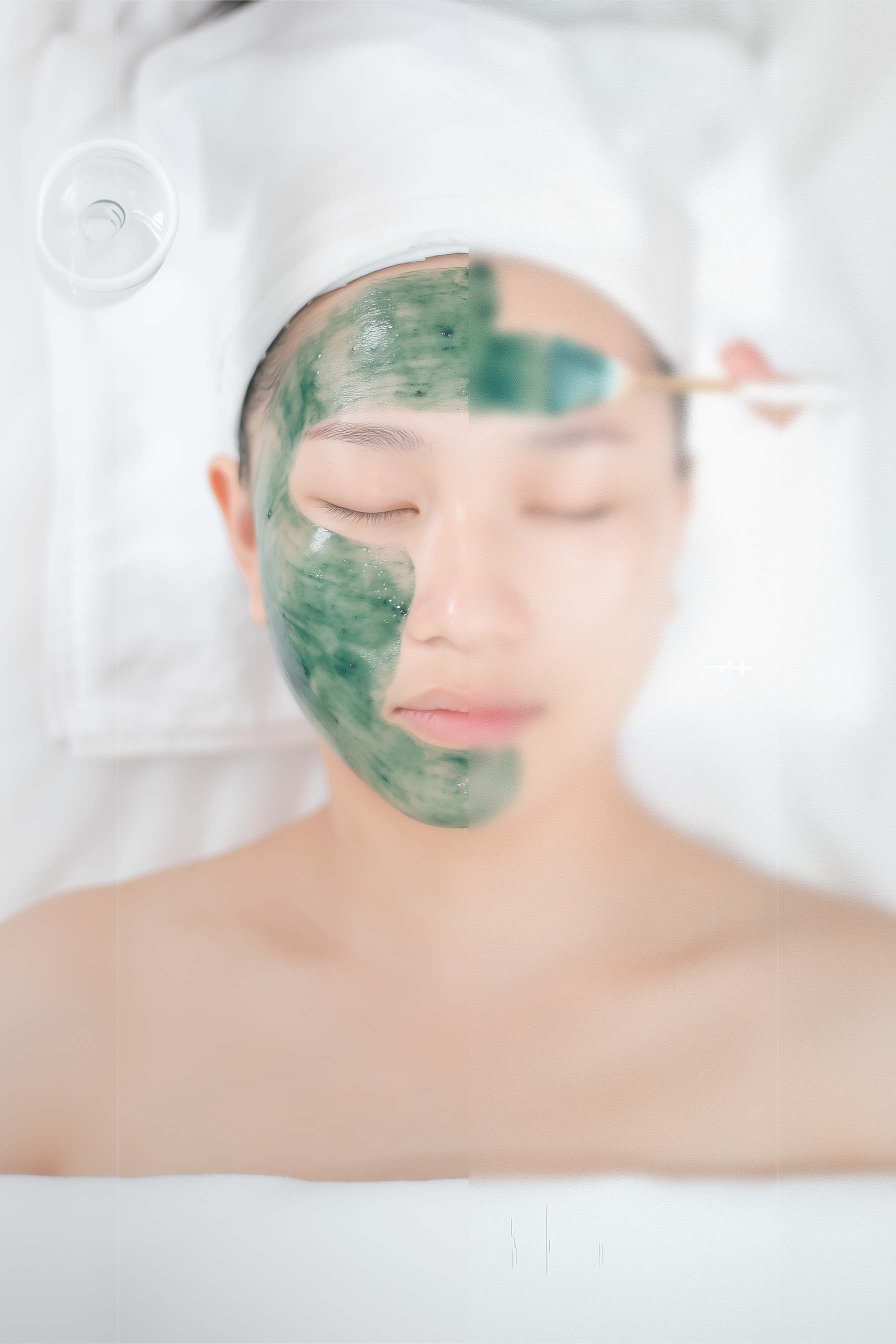
Clients who want to maintain firmness and texture without aggressive procedures often benefit from a Progressive Skin Conditioning Session. These sessions are designed to strengthen skin response over time, supporting natural firmness rather than creating artificial tension.
As a result, skin retains a more youthful structure while remaining natural in appearance.
Addressing Texture Changes Alongside Early Sagging
Texture change frequently accompanies early sagging. Fine surface irregularities, uneven smoothness, or dullness often reflect slowed cellular turnover and early extracellular matrix disruption rather than isolated surface issues.
Treating texture alone—through frequent exfoliation or resurfacing—may temporarily improve smoothness but does little to support underlying structure. Skin management integrates texture refinement into a broader plan that supports dermal health, ensuring improvements are more stable.
Clients who want to understand how these concerns are prioritised can review our frequently asked questions, which explain how treatment sequencing is determined.
The La Dermalogique Perspective: Early Structural Support Without Aggression
Advanced skin conditioning plays a valuable role in supporting skin at this early stage of change. Through our collaboration with La Dermalogique, clients gain access to treatments that enhance microcirculation, oxygenation, and regenerative signalling—without disrupting barrier recovery.
Treatments such as the La Dermalogique Signature Skin Treatment and Signature Glow-Up Contouring are particularly well suited for skin showing early sagging and texture change. These non-ablative approaches help reinforce structure while preserving skin comfort and predictability.
Setting Expectations for Early Intervention
When addressed early, sagging and texture change respond well to conservative, consistent care. Improvements appear gradually as skin regains density, smoothness, and resilience—not as dramatic tightening, but as healthier structural behaviour.
Clients often report that their skin feels firmer, smoother, and more supported, even before visible changes become obvious. These experiences are reflected in our customer stories, which highlight the value of timely, informed intervention. Those interested in the guiding principles behind this approach can also explore our story.
Preserving Skin Structure Through Proactive Management
For clients noticing early sagging and texture change but wishing to avoid aggressive intervention, skin management offers a clinically grounded pathway forward. By supporting skin structure early, it is often possible to slow progression and maintain firmness naturally over time.
Clients ready to begin can book a Comprehensive Skin Management Session, where treatment planning is guided by skin biology—not trends.
