
Clinical Safety in Milia Removal: Understanding Heat, Pressure, and Tissue Response

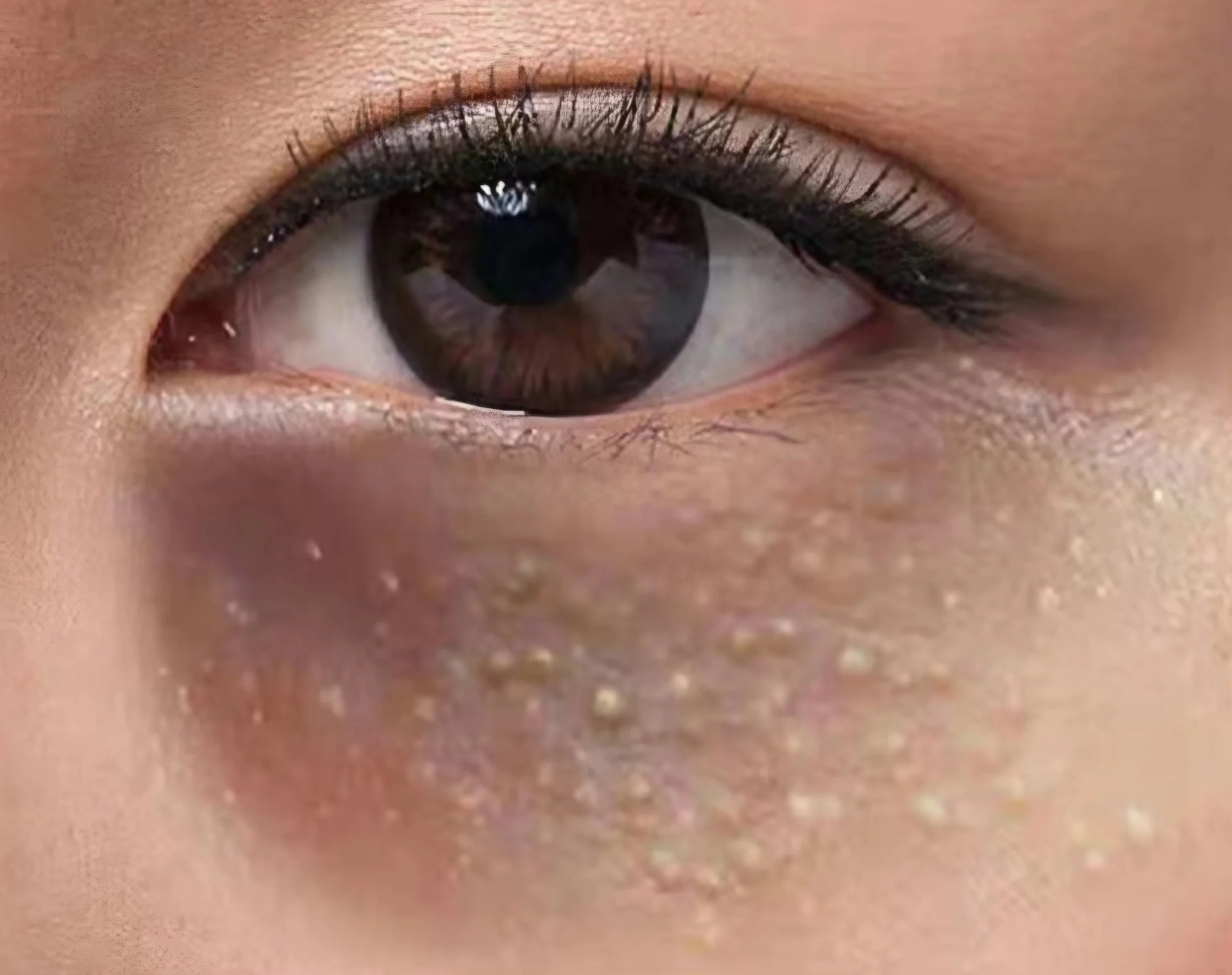
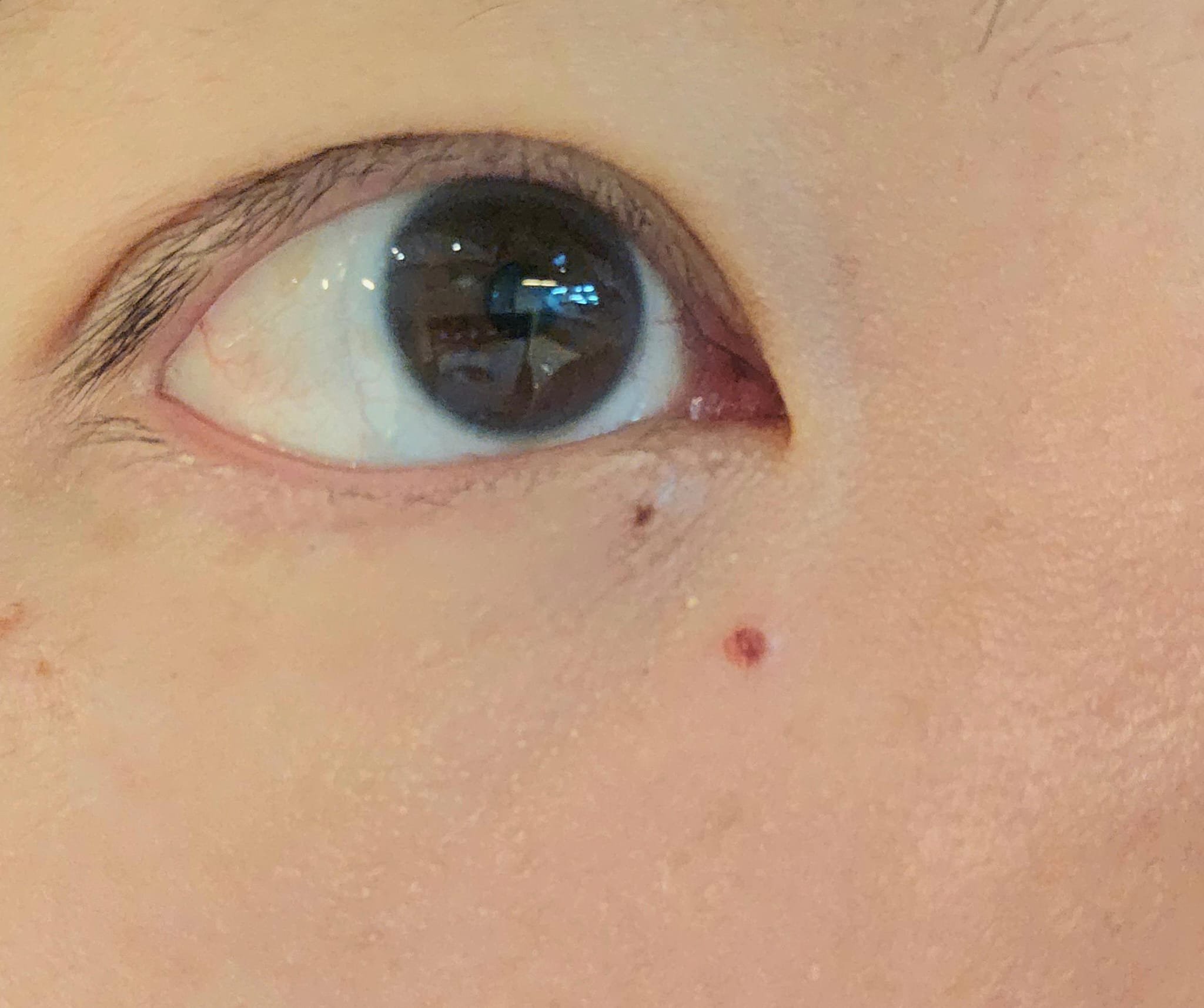
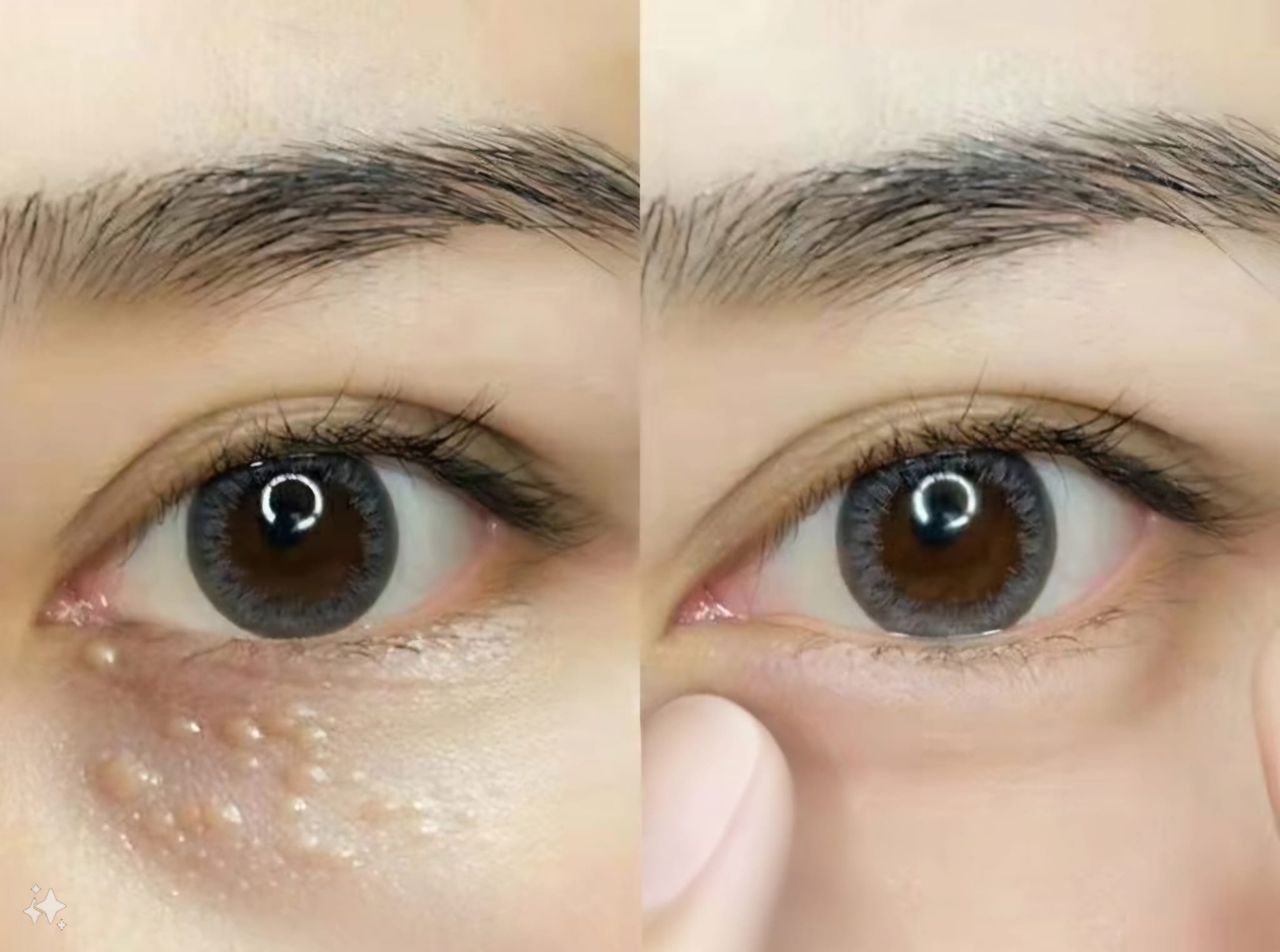
Milia seed removal is a controlled clinical procedure, not a cosmetic squeeze. Safety in milia treatment depends on understanding how heat, pressure, and tissue response interact at different skin depths. When these variables are managed correctly, milia is removed cleanly, healing remains stable, and surrounding skin is preserved.
At The Brow & Beauty Boutique, clinical safety is built into every stage of milia removal. Techniques are selected and executed based on predictable tissue behaviour, ensuring outcomes remain consistent across first-time cases, sensitive skin, and complex corrective presentations.
Why Safety in Milia Removal Is Technique-Dependent
Milia seeds are subepidermal keratin cysts, meaning they sit beneath the skin surface and are enclosed within a firm capsule. Removing them safely requires accessing the cyst without disrupting adjacent tissue.
Safety is compromised only when:
excessive pressure is applied
heat is used without depth control
tissue response is ignored
When technique matches anatomy, these risks are eliminated. Milia removal becomes precise rather than forceful.
Pressure: Why More Force Never Means Better Results
One of the most common causes of irritation and post-treatment inflammation is excessive pressure. Milia does not respond to squeezing because it is not connected to a pore. Applying force compresses surrounding tissue instead of releasing the cyst.
Clinically appropriate pressure:
is localised
is controlled
is applied only after correct access is established
This approach allows the keratin content to be released intact, preventing trauma and reducing healing time. It is a core principle of the clinic’s milia seed removal service, where extraction is performed with accuracy rather than force.
Heat: Precision Determines Safety
Heat is neither dangerous nor aggressive when used correctly. It becomes unsafe only when applied indiscriminately. In milia removal, controlled thermal energy is used to access dense or fibrotic cysts that cannot be released manually.
Safe heat application depends on:
precise depth targeting
limited exposure time
understanding tissue tolerance
This same safety framework governs advanced procedures such as RF Pulse treatments, where energy delivery is exact and confined to the treatment zone. There is no collateral tissue impact when parameters are properly controlled.
Tissue Response: The Most Important Safety Indicator
Skin communicates clearly when treated correctly. Minimal redness, controlled response, and predictable healing indicate that tissue tolerance has been respected.
Unfavourable responses occur only when intervention exceeds what the tissue requires. At The Brow & Beauty Boutique, tissue response is continuously monitored during treatment, allowing immediate adjustment of technique when necessary. This ensures that safety is maintained throughout the procedure, not assessed after the fact.
When Safety Has Been a Concern
If you’ve experienced prolonged redness, irritation, or discomfort after previous milia removal, technique — not your skin — was the issue. Clinical safety depends on controlled variables, not skin type alone.
You can book an appointment for an assessment focused on safe resolution and stable healing.
Sensitive Areas Require Heightened Control
Milia frequently forms around the eyes, where skin is thinner and more reactive. In this region, even minor deviations in pressure or heat application can affect healing.
Treatment planning for sensitive areas prioritises:
shallow access
conservative energy calibration
minimal tissue displacement
These principles align closely with the clinic’s broader philosophy in skin management and anti-aging treatments, where long-term skin integrity guides every decision.
Why Safety Prevents Recurrence
Recurrence is often misunderstood as a skin issue. In reality, recurrence occurs when the cyst capsule is not fully addressed or when surrounding tissue is traumatised during removal.
When heat and pressure are applied correctly:
the cyst is fully resolved
inflammation is minimised
the skin environment stabilises
This is why properly executed milia removal produces lasting results rather than repeated treatments. Outcomes that reflect this controlled approach are consistently shared through our customer stories.
Safety Is a Result of Preparation
Safe milia removal is not cautious work. It is prepared work. When technique selection, pressure control, and energy calibration are aligned, treatment proceeds smoothly and predictably.
Clinical safety is not an added layer. It is the foundation that allows milia removal to be performed efficiently, comfortably, and without compromise.