Why Eyeliner Correction Starts With Assessment, Not Immediate Re-Tattooing
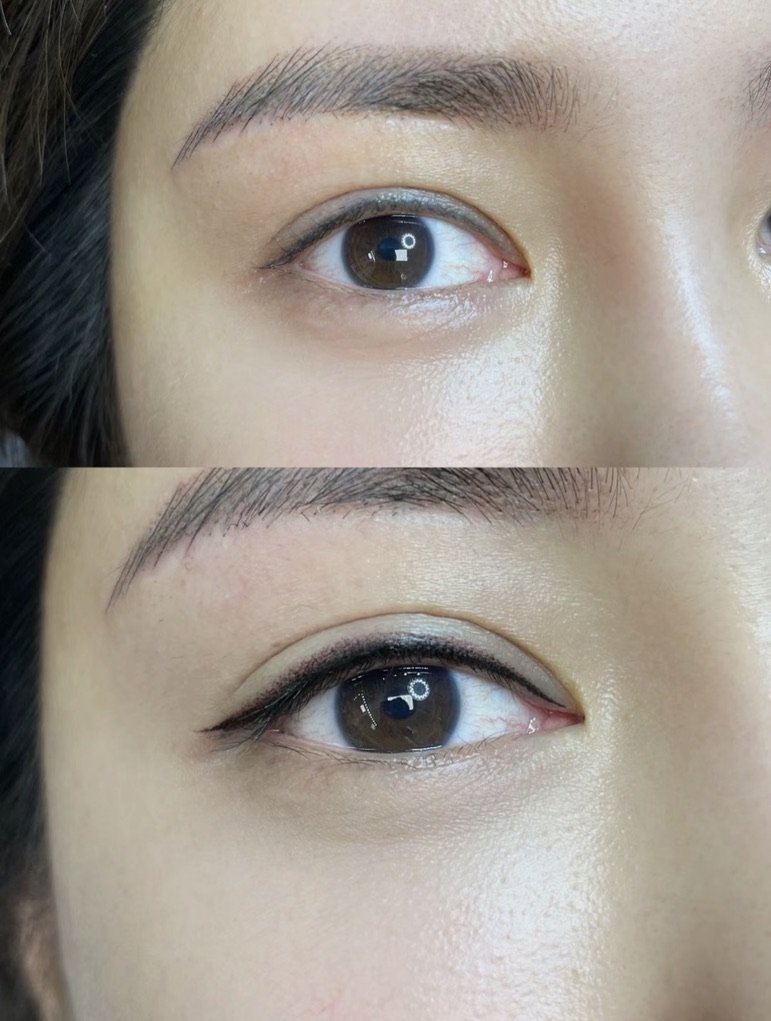
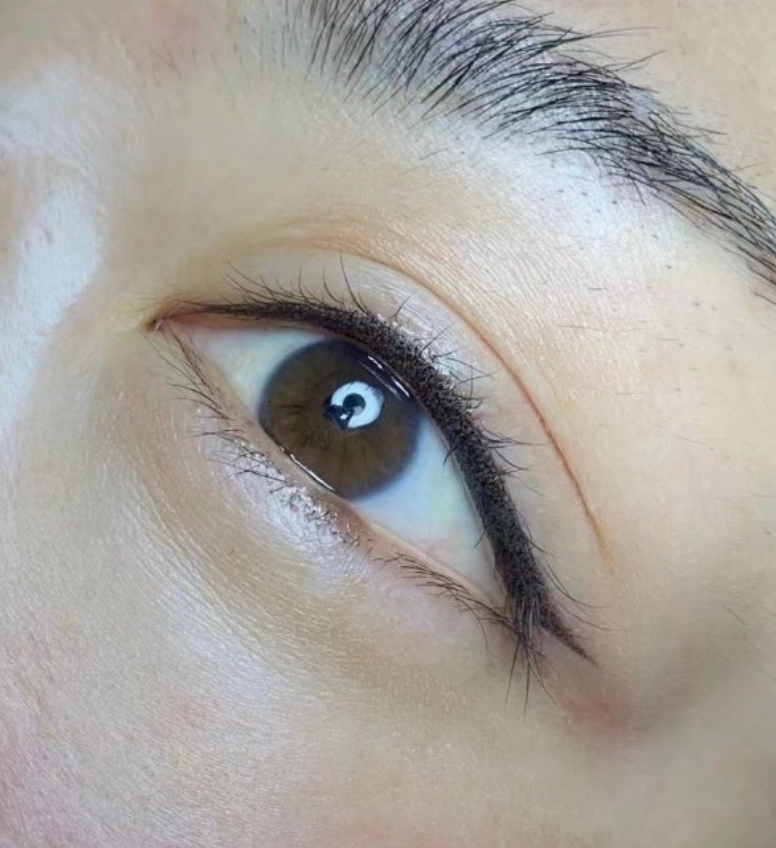

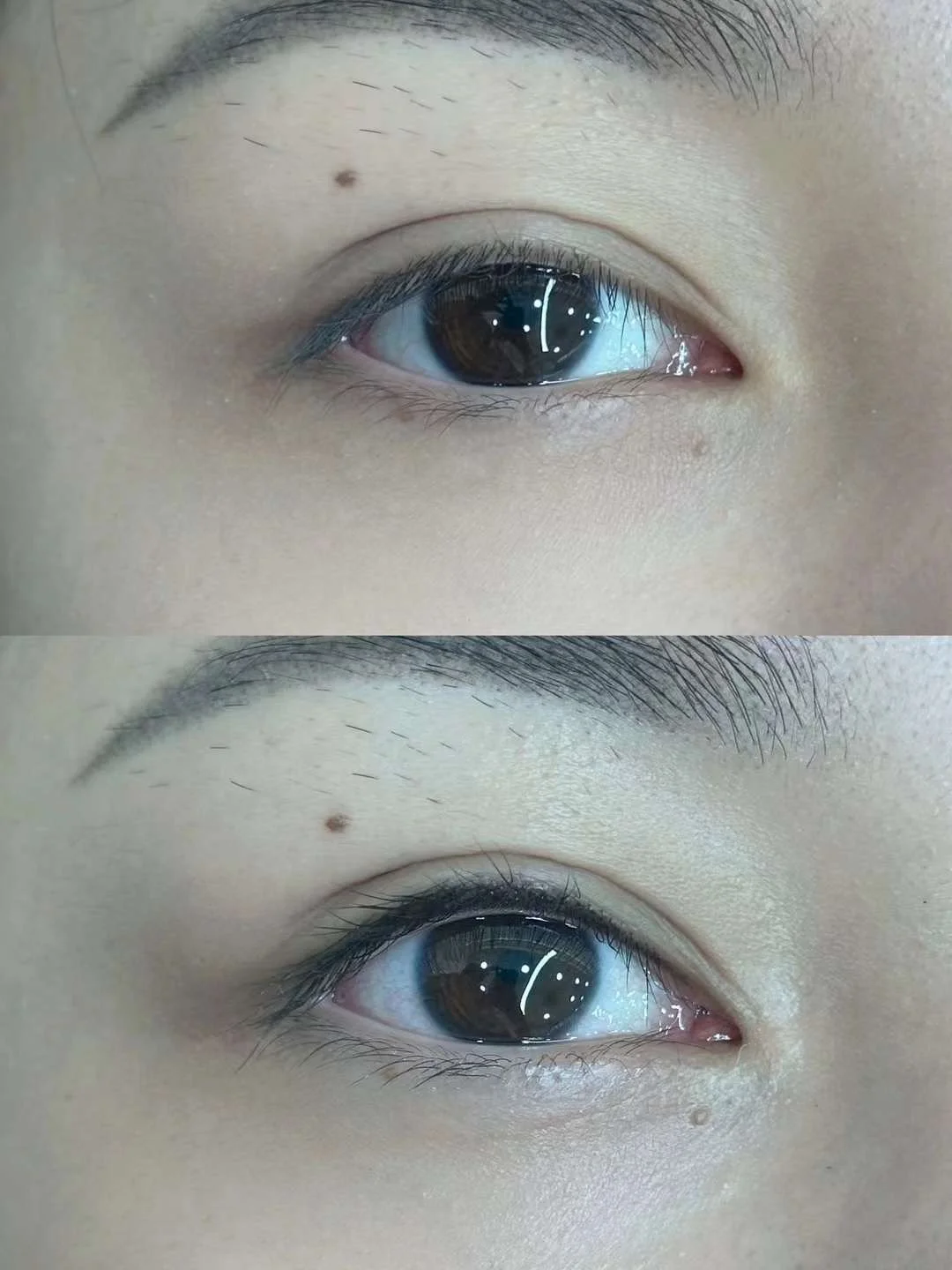
When eyeliner no longer looks the way it once did, the instinctive response is often to “fix” it by adding more pigment. Unfortunately, in the periocular region, immediate re-tattooing is one of the most common reasons eyeliner becomes thicker, blurrier, and harder to correct over time. From a professional and medical standpoint, assessment must always come before action.
At The Brow & Beauty Boutique, eyeliner correction is treated as a clinical decision-making process, not a cosmetic cover-up. Understanding why eyeliner has changed is far more important than rushing to make it darker or sharper.
Eyeliner Changes Are Usually Biological, Not Cosmetic
Eyeliner that appears smudged, uneven, or heavier years later is rarely the result of poor maintenance. Instead, it reflects predictable biological responses within the periocular region. The eyelid skin is thin, highly vascularised, and constantly in motion due to the orbicularis oculi muscle. These factors influence how pigment behaves long after implantation.
Common long-term changes include pigment migration, diffusion artefacts, edge instability, and chromatic shift. These are not surface-level problems. They occur within the dermal layers, which means they cannot be corrected safely without first understanding pigment depth, density, and spread pattern.
Re-tattooing without this information does not correct the issue. It compounds it.
Why Immediate Re-Tattooing Often Makes Eyeliner Worse
Adding new pigment over unstable or migrated eyeliner increases density overload and can push existing pigment deeper into tissue that is already compromised. This often accelerates diffusion, making the eyeliner appear thicker and darker while losing definition even faster.
In the periocular region, more pigment does not equal more control. It increases risk.
Immediate re-tattooing may also obscure visual cues that specialists rely on to assess pigment behaviour accurately. Once new pigment is layered over old, it becomes more difficult to determine what is migrating, what is residual, and what is newly implanted.
This is why responsible eyeliner correction never begins with a needle.
Assessment Is a Safety Requirement, Not a Delay Tactic
A professional eyeliner assessment evaluates far more than appearance. It examines:
Pigment age and visual behaviour
Depth variation across the eyelid margin
Degree of diffusion or migration
Tissue reactivity and healing capacity
Ocular proximity risk
This information determines whether correction should involve stabilisation, controlled pigment lightening, or staged intervention. Without assessment, treatment decisions become guesswork.
Clients who want to understand this process in more detail can refer to the clinic’s approach to professional eyeliner colour correction in Singapore, which explains why correction strategies are chosen conservatively rather than aggressively.
Correction Is a Process, Not a Single Appointment
Medical-led eyeliner correction follows an incremental correction protocol. This allows periocular tissue to recover between sessions while specialists observe how pigment responds to each stage of intervention. In delicate areas, patience is a protective measure.
Assessment also sets realistic expectations. Some eyeliner can be significantly improved but not fully erased. Some requires multiple stages before refinement is even considered. Honest discussion at the assessment stage prevents disappointment and reduces unnecessary risk.
Start With a Professional Eyeliner Assessment
If your eyeliner has blurred, thickened, or changed colour over time, the most important first step is not correction. It is evaluation.
A structured consultation allows your specialist to determine whether your eyeliner should be stabilised, lightened, or prepared for future refinement.
Book an eyeliner correction consultation to receive guidance based on anatomy and pigment behaviour, not assumptions.
When Re-Tattooing Does Become Appropriate
Re-introducing eyeliner pigment is not inherently wrong. It is simply sequenced. Once diffusion artefacts have been addressed and pigment behaviour stabilised, some clients choose to redefine their eyeliner using modern techniques.
Today’s eyeliner embroidery prioritises superficial dermal placement, lighter saturation, and anatomical alignment with the eyelid margin. This significantly reduces the risk of future migration when performed on stable tissue.
Clients exploring this stage may review the clinic’s eyeliner embroidery services in Singapore, including refined options such as baby eyeliner for subtle enhancement or classic eyeliner for structured definition.
Crucially, these options are considered after correction, never as a shortcut around it.
Supporting Periocular Recovery Between Stages
Successful eyeliner correction depends not only on pigment management but also on periocular skin health. Supporting hydration, circulation, and barrier integrity can improve comfort and predictability between sessions.
Many clients incorporate supportive care such as the La Dermalogique Eye Spa – Iris Clarity treatment to maintain periocular calmness during the correction process. This complements correction work without interfering with pigment protocols.
Correction Begins With Judgement, Not Ink
Eyeliner correction is not about doing more. It is about doing what is appropriate, at the right time, with full understanding of the tissue involved.
Assessment protects your eyes, your skin, and your long-term results. Immediate re-tattooing may feel faster, but it often leads to more complex problems later.
Schedule your professional eyeliner correction consultation to begin with clarity, safety & a plan that prioritises lasting outcomes.