Supporting Dermal Repair Cascades in Skin That Heals Slowly
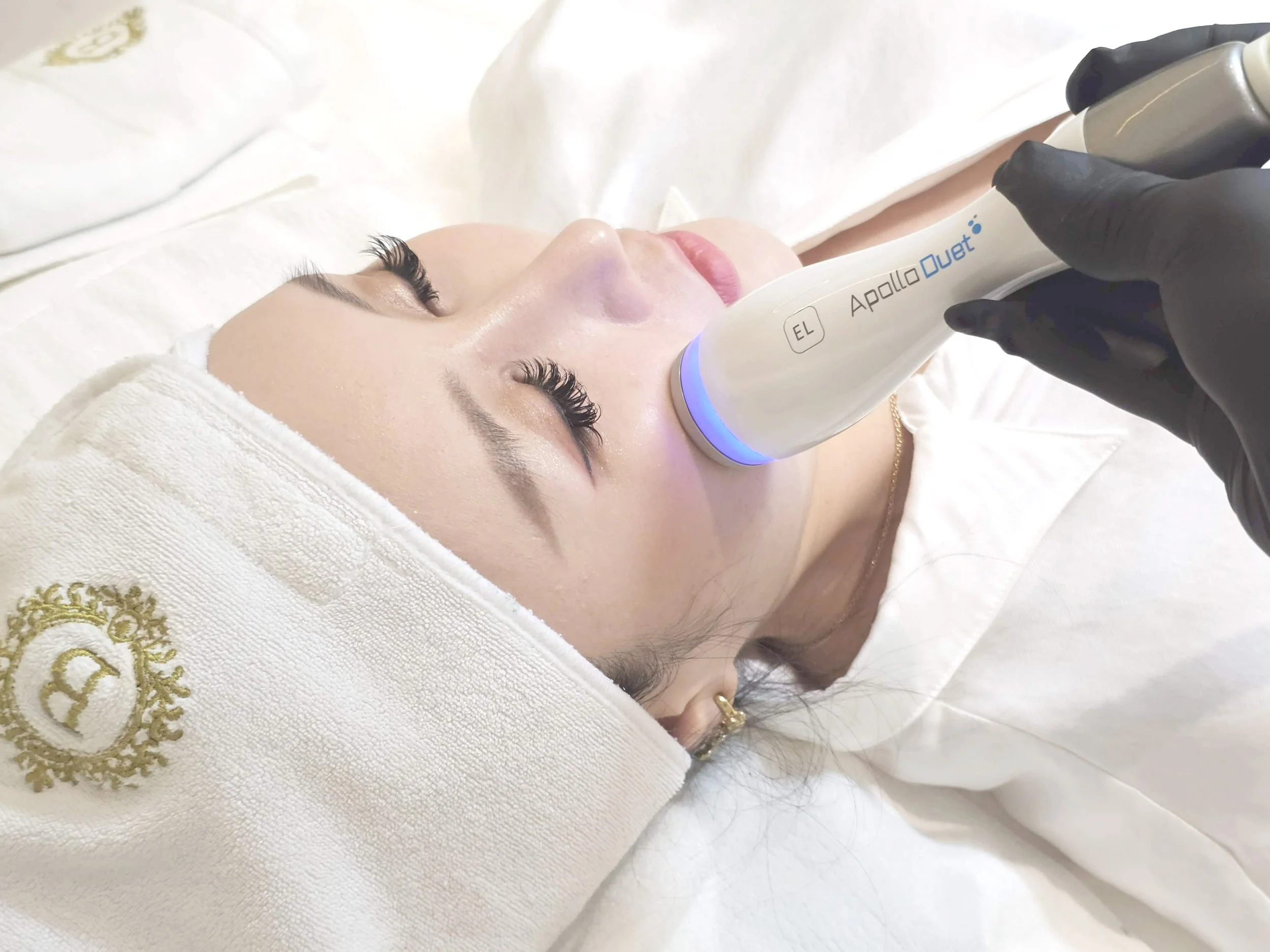



Some skin does not bounce back quickly. Minor procedures take longer to settle, redness lingers, and visible improvement appears delayed despite careful aftercare. For clients experiencing slow healing, the issue is rarely poor compliance or inadequate treatment—it is often reduced efficiency in the skin’s dermal repair cascades.
At The Brow & Beauty Boutique, slow-healing skin is approached through anti-aging skin management rather than intensified intervention. Supporting repair pathways requires understanding where healing signals slow down and how to reinforce them without creating additional inflammatory burden.
Clients who notice prolonged recovery or delayed results often begin by reviewing our Skin Management & Anti-Aging philosophy, which explains why repair capacity is as important as stimulation in long-term skin outcomes.
What Dermal Repair Cascades Do—and Why They Slow
Dermal repair cascades involve a sequence of biological responses following stimulation or injury. These include inflammatory signalling, fibroblast activation, collagen deposition, and tissue remodelling. When functioning optimally, these stages progress in a coordinated manner.
As skin ages or becomes stressed, several factors can slow these cascades:
Reduced fibroblast responsiveness
Impaired microcirculation and oxygen delivery
Prolonged low-grade inflammation
Compromised barrier function affecting recovery
When repair signals are delayed or incomplete, visible improvement lags behind treatment, and the skin may feel fragile or slow to normalise.
Why Escalation Often Delays Healing Further
A common response to slow healing is to intensify treatment in hopes of “kick-starting” regeneration. In reality, overstimulation often prolongs inflammation and diverts energy away from repair. This can extend downtime, worsen sensitivity, and reduce overall treatment efficiency.
Skin management takes the opposite approach. By reducing unnecessary stress and optimising recovery conditions, the skin is better able to complete each stage of repair fully before additional stimulation is introduced.
Clients unsure whether their skin is healing slowly due to age, stress, or treatment load are encouraged to book an Initial Skin Management Consultation, where healing patterns and recovery timelines are assessed before care is adjusted.
Creating the Right Conditions for Repair
Supporting dermal repair cascades involves more than avoiding irritation. It requires creating an environment where signalling pathways can function efficiently. This includes stabilising the barrier, regulating inflammation, and improving dermal circulation.
Skin management sequences care to prioritise these foundations first. Once repair efficiency improves, visible results tend to follow more predictably and with less variability between sessions.
Clients following this approach often progress into a Progressive Skin Conditioning Session, where stimulation is timed to coincide with optimal recovery rather than arbitrary schedules.
Secondary Signs of Impaired Repair
Slow-healing skin often presents with additional signs such as lingering redness, patchy improvement, or treatments that feel “underwhelming” despite correct technique. These patterns reflect incomplete repair rather than inadequate stimulation.
By addressing repair capacity directly, skin management often improves consistency of outcomes. The skin becomes more resilient, downtime shortens, and improvements accumulate more reliably.
Clients seeking reassurance about pacing, safety, and conservative planning often consult our frequently asked questions, which explain how healing capacity influences treatment design.
Setting Expectations for Repair-Focused Care
When repair cascades are slow, progress may feel subtle at first. Early improvements often include reduced sensitivity, quicker settling after treatments, and more uniform healing. Visible changes follow as dermal processes regain efficiency.
Anti-aging skin management prioritises transparent communication. Clients are informed that supporting repair is a prerequisite for lasting improvement and that patience prevents setbacks caused by over-treatment.
Many clients describe this shift through our customer stories, noting that once healing improved, results became more consistent and less effort-dependent.
Those interested in the clinical judgement behind this approach can also explore our story to understand why restraint and sequencing are central to effective skin care.
The La Dermalogique Perspective: Enhancing Repair Without Trauma
Collaboration with La Dermalogique strengthens repair-focused skin management. Their treatments are designed to support microcirculation, cellular communication, and tissue responsiveness while preserving epidermal integrity.
Treatments such as the La Dermalogique Signature Skin Treatment and Signature Glow-Up Contouring are particularly valuable for skin that heals slowly. These non-ablative modalities encourage repair cascades without triggering prolonged inflammation.
Strengthening Repair Before Pursuing Results
Skin that heals slowly is not resistant—it is under-supported. By reinforcing dermal repair cascades, regulating inflammation, and pacing stimulation appropriately, recovery improves and anti-aging outcomes become more reliable.
Clients ready to prioritise healing capacity as part of their anti-aging strategy can book a Comprehensive Skin Management Session, where treatment planning is guided by recovery behaviour—not urgency.