Stabilising Unpredictable Lip Outcomes Through Advanced Lip Color Correction Protocols
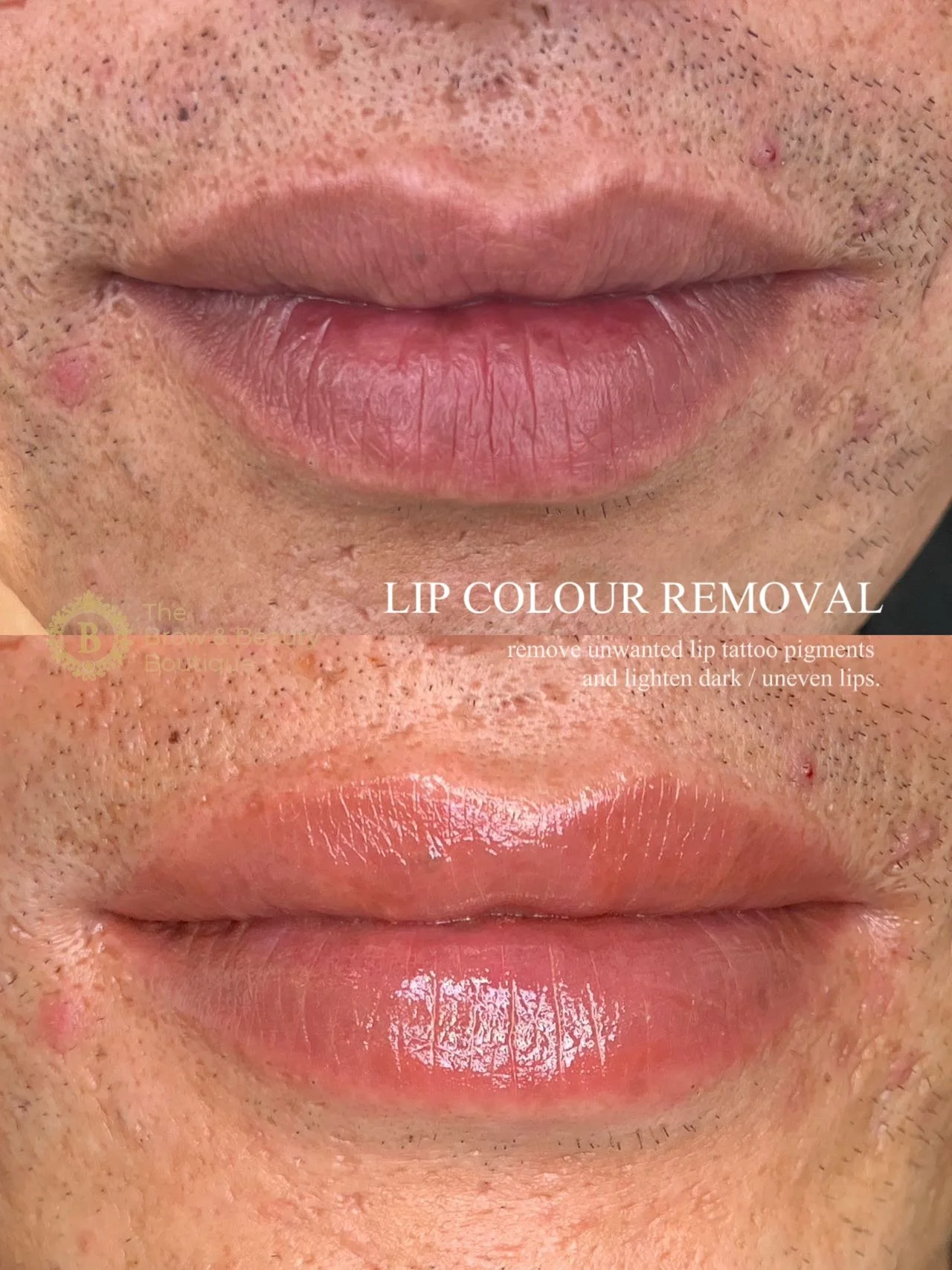


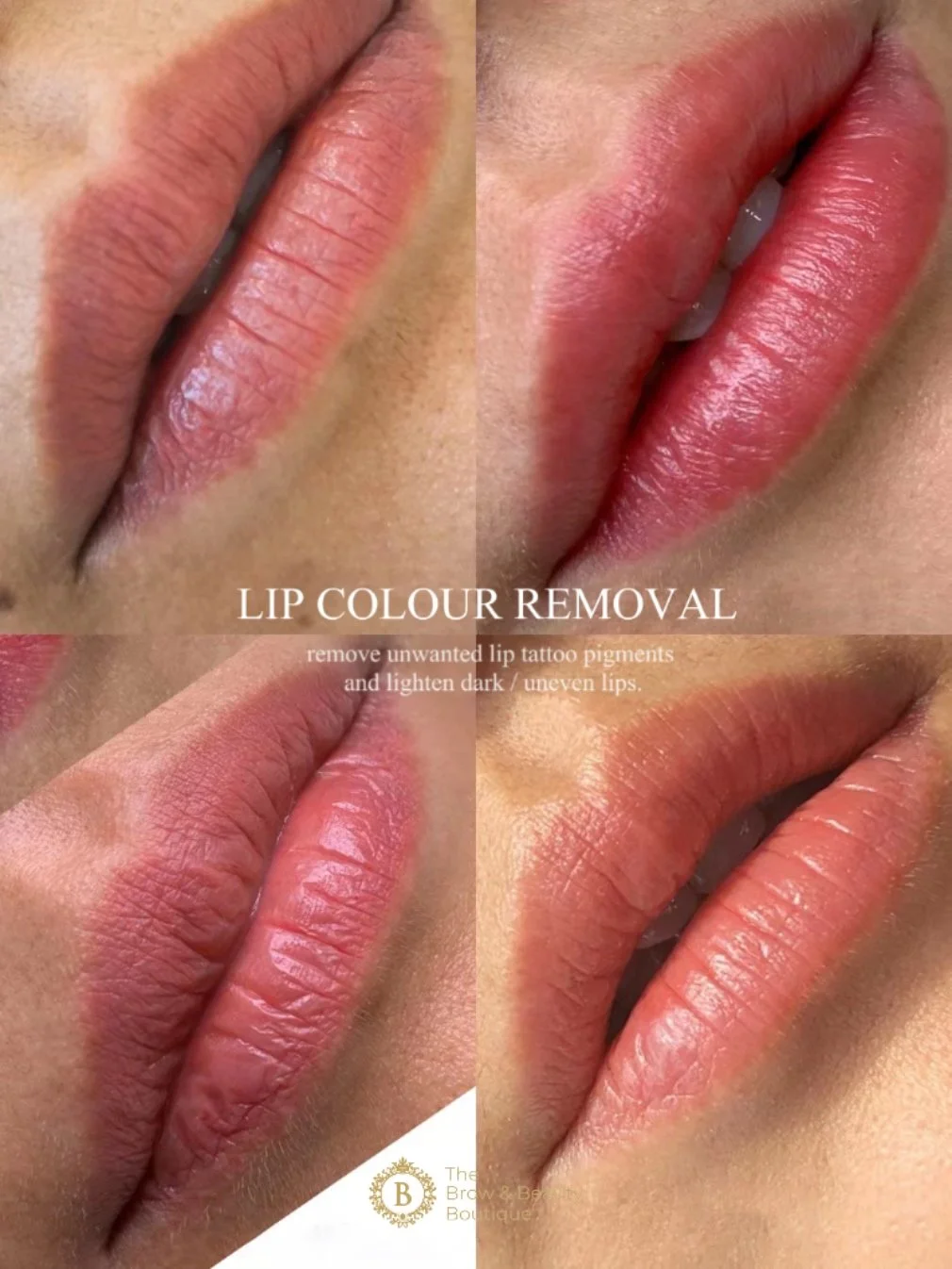
Unpredictable lip outcomes are one of the most common reasons clients seek professional correction. The lips may have healed without complication, aftercare may have been followed carefully, and yet the final result feels unstable. Colour shifts unexpectedly, undertones dominate at different times, or symmetry appears inconsistent under various lighting conditions. These outcomes are not random, and they are not a reflection of poor healing. They are signals that pigment behaviour within the lip tissue has not stabilised.
At The Brow & Beauty Boutique, unpredictable lip results are addressed through advanced lip colour correction protocols designed to stabilise pigment at the structural level before any aesthetic refinement is attempted.
What Makes Lip Outcomes Unpredictable
Lip tissue behaves differently from other tattooed areas of the face. The vermilion zone is thin, highly vascular, and constantly in motion. These characteristics make lips especially sensitive to pigment depth, density, and distribution.
Unpredictability often arises when one or more of the following factors are present:
Uneven pigment depth across the lips
Residual or legacy pigment from previous treatments
Excessive pigment load in certain zones
Undertone dominance overpowering surface colour
Oxidative colour changes over time
When these variables interact, colour may appear balanced initially but shift weeks or months later. This delayed instability is often misinterpreted as fading or “bad pigment,” when in reality it is a structural imbalance beneath the surface.
Why Repeated Touch-Ups Increase Instability
A common response to unpredictable outcomes is to add more pigment through repeated touch-ups. While this can temporarily improve appearance, it often worsens long-term stability.
Each additional layer of pigment increases cumulative tissue stress and raises the risk of:
Deeper pigment migration
Cooler or muddier colour shifts
Patchy retention across the lips
Reduced predictability for future treatments
Advanced correction protocols intentionally avoid this cycle. Instead of layering over instability, the focus shifts to resetting and rebalancing pigment behaviour.
The Purpose of Advanced Lip Colour Correction Protocols
Advanced lip colour correction is not a single treatment. It is a structured approach that prioritises predictability, safety, and long-term stability. The goal is not to chase colour, but to control how colour behaves within the tissue.
These protocols typically involve:
Detailed assessment of pigment history and placement
Identification of residual pigment and pigment load imbalance
Selective pigment reduction where necessary
Adequate healing intervals to allow tissue recalibration
Thoughtful sequencing before any new embroidery is performed
This process-driven approach ensures that correction improves outcomes rather than compounding existing issues.
Lip Colour Removal as a Stabilisation Tool
In many unpredictable cases, lip colour removal plays a key stabilising role. This does not mean full removal is always required. Often, controlled and selective pigment reduction is enough to restore balance within the lips.
Strategic removal can help to:
Reduce oversaturated or cool-toned areas
Minimise interference from residual pigment
Improve colour clarity and light reflection
Create a predictable foundation for future embroidery
When used correctly, removal is not a reversal of progress. It is a recalibration step that allows the lips to respond more reliably to subsequent treatments. This approach is detailed further in our lip colour removal service.
Why Embroidery Works Best After Stabilisation
Once pigment behaviour has been stabilised, lip embroidery becomes significantly more predictable. Colour settles more evenly, undertones remain consistent, and long-term outcomes improve.
This is why embroidery is positioned as the completion phase of correction, not the starting point. Performing embroidery on unstable tissue often leads to repeated adjustments, whereas working on stabilised lips allows refinement to be precise and lasting.
Clients seeking enhancement after correction may explore lip embroidery blush or lip embroidery enhancement as part of a structured correction pathway.
Why Protocols Matter More Than Pigment Choice
One of the most important distinctions in successful correction is understanding that protocol determines outcome, not pigment selection alone. Even the highest-quality pigment cannot perform predictably if applied to unstable tissue.
At The Brow & Beauty Boutique, advanced protocols are built around:
Respect for biological limits
Honest assessment of correction feasibility
Clear explanation of sequencing and timelines
Emphasis on long-term stability rather than quick fixes
Clients are encouraged to ask questions and understand each stage of the process, ensuring expectations are grounded in biology rather than marketing promises.
For insight into how complex lip cases have been stabilised through correction-led approaches, our customer stories provide real-world examples.
When Stability Comes First, Outcomes Follow
Unpredictable lip outcomes are not permanent, but they cannot be rushed. Stability must come before refinement. With advanced correction protocols, even complex pigment behaviour can be brought back under control, allowing embroidery to enhance rather than compensate.
If your lip results feel inconsistent despite proper healing, the next step is not more colour. It is structured correction guided by assessment and sequencing.
You may begin the appropriate stage of your journey directly through the following appointments:
For a broader understanding of our philosophy and services, you may also visit The Brow & Beauty Boutique.