Correcting Textural Irregularity Caused by Cumulative Skin Stress
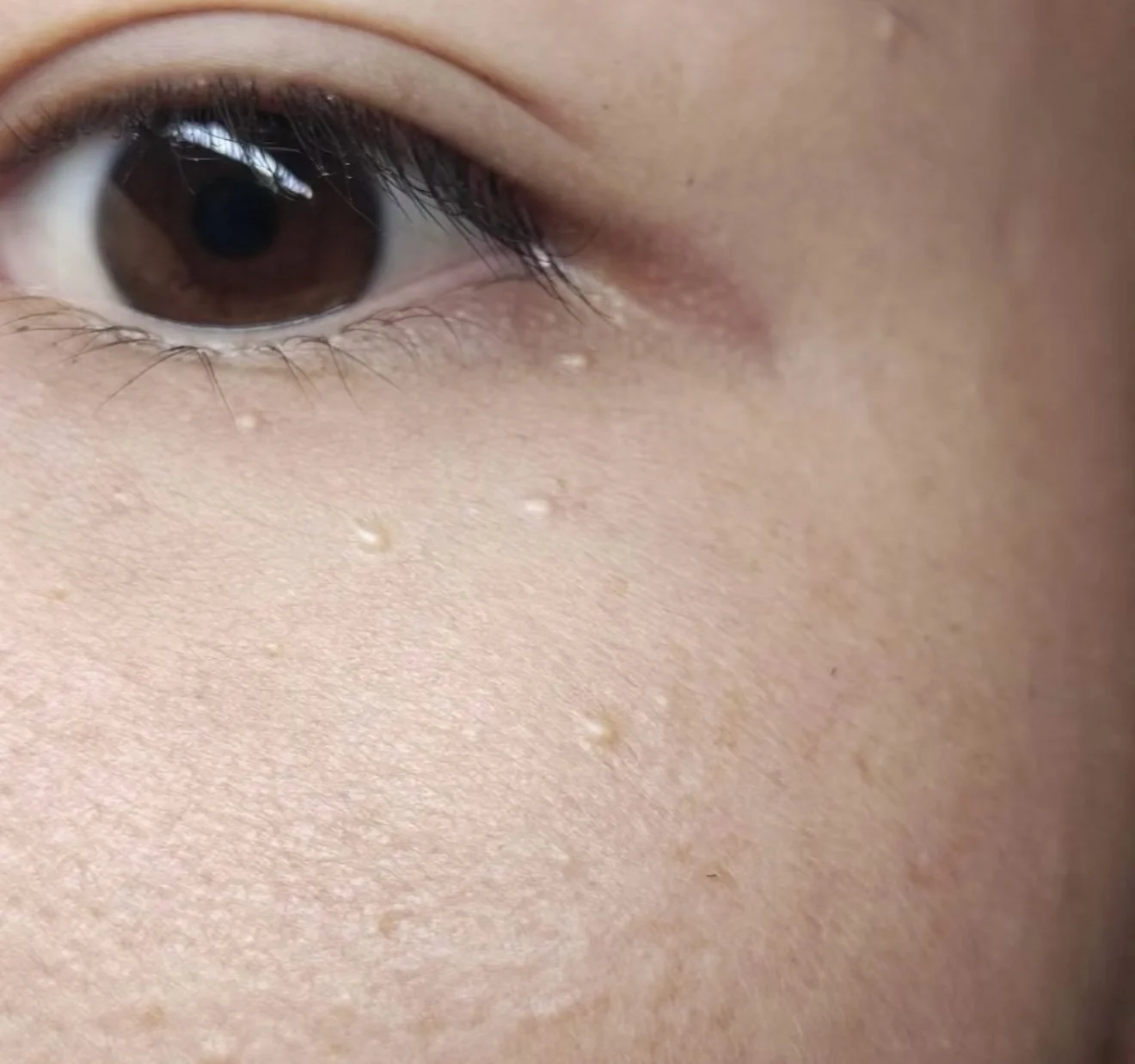


Textural irregularity rarely appears overnight. For many clients, uneven skin texture develops gradually after years of well-intentioned but cumulative stress—frequent exfoliation, repeated device treatments, inconsistent recovery time, or active overload. While the skin may not look inflamed, it often feels rough, uneven, or visually dull despite ongoing care.
At The Brow & Beauty Boutique, textural irregularity is approached as a skin behaviour issue, not a surface flaw. When texture becomes unpredictable or resistant, it is usually a sign that the skin’s regenerative rhythm has been disrupted rather than a need for stronger exfoliation.
Clients experiencing this pattern often begin by reviewing our Skin Management & Anti-Aging philosophy, which explains why texture correction requires recalibration, not escalation.
How Cumulative Skin Stress Alters Texture
Healthy skin renews itself in an orderly cycle. Corneocytes shed efficiently, hydration gradients remain balanced, and the dermal matrix provides stable support beneath the surface. Cumulative skin stress interferes with this rhythm.
Over time, repeated stimulation without sufficient recovery can lead to:
Irregular corneocyte shedding
Micro-barrier disruption
Low-grade inflammation beneath the surface
Inconsistent cellular turnover
The result is texture that feels uneven, looks patchy, or responds unpredictably to treatments that once worked well. Importantly, this does not mean the skin is damaged beyond repair—it means it needs structured recovery.
Why More Exfoliation Often Worsens the Problem
When texture feels rough, the instinctive response is to exfoliate more. While this may create short-term smoothness, it often compounds the underlying issue. Excessive exfoliation can thin the stratum corneum, disrupt lipid organisation, and increase transepidermal water loss, all of which further destabilise texture.
Skin management takes a different approach. Rather than forcing surface smoothness, it prioritises restoring orderly regeneration. Once the skin’s renewal rhythm stabilises, texture often improves naturally without aggressive intervention.
Clients unsure whether their texture concerns stem from stress, dehydration, or overstimulation are encouraged to book an Initial Skin Management Consultation, where skin history and recovery behaviour are assessed before treatment planning begins.
Reconditioning Texture Through Controlled Skin Conditioning
Correcting stress-related texture requires patience and sequencing. The first phase often focuses on calming inflammatory signalling and supporting barrier repair. Only once the skin demonstrates stable recovery are corrective stimuli reintroduced.
This phased approach allows keratinocyte turnover to normalise and dermal support to re-establish beneath the surface. Over time, texture becomes smoother not because it has been polished away, but because regeneration has become more orderly.
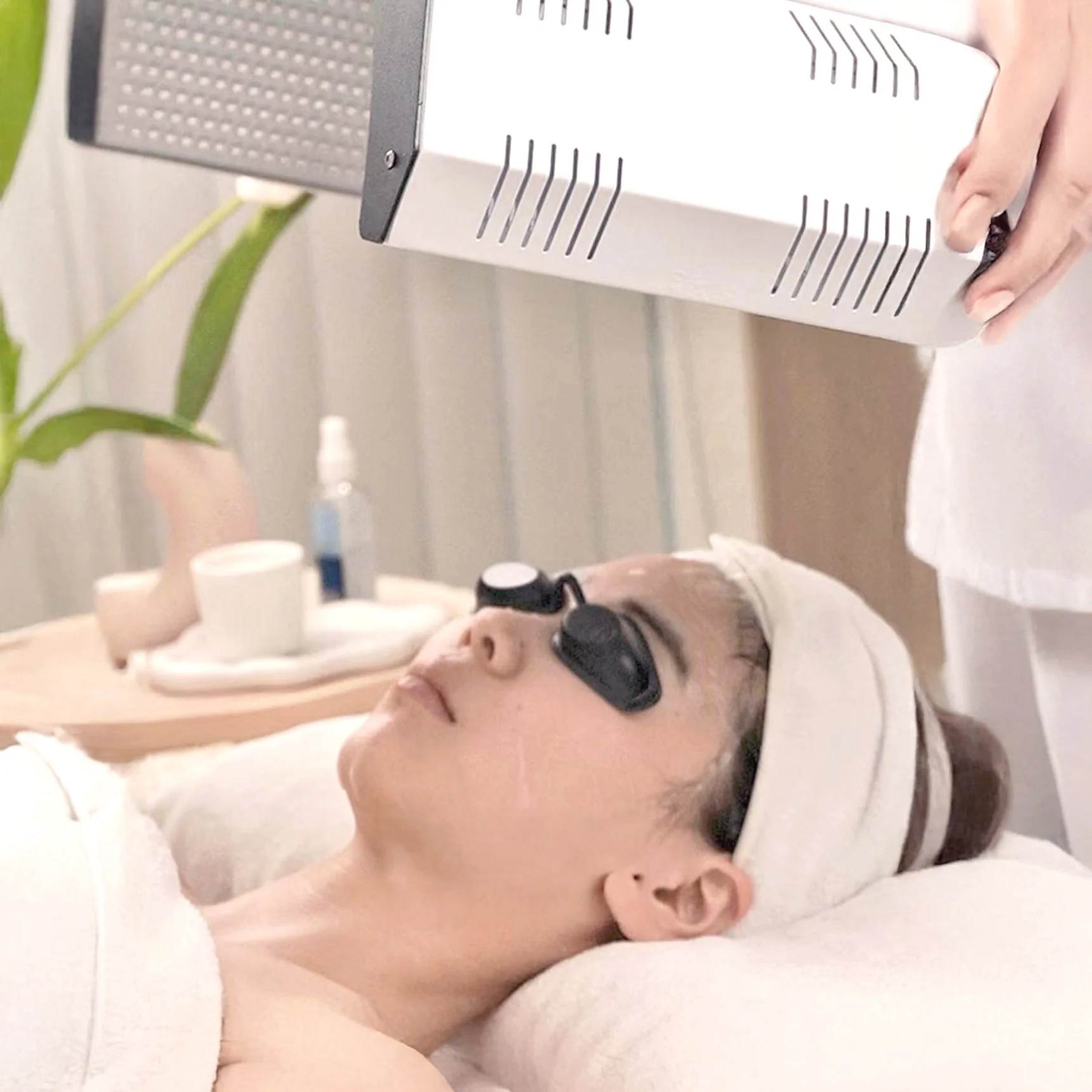
Clients following this strategy often progress into a Progressive Skin Conditioning Session, where stimulation intensity and intervals are adjusted to encourage even renewal without reigniting stress responses.
Secondary Concerns That Accompany Stress-Induced Texture
Textural irregularity caused by cumulative stress often appears alongside other subtle signs such as dehydration that returns quickly, congestion without inflammation, or dullness that persists despite treatment. These concerns share the same root cause: disrupted skin behaviour.
By addressing regeneration and recovery together, skin management often improves these secondary concerns simultaneously. Skin becomes more predictable, more comfortable, and more responsive to future care.
Clients seeking reassurance about safety, pacing, and realistic outcomes often consult our frequently asked questions, which explain why restraint is essential when correcting stressed skin.
Setting Expectations for Texture Correction
Texture correction is rarely dramatic at first. Early improvements may be felt as smoother application of skincare, reduced roughness on touch, or more even light reflection. Visible refinement follows as regenerative cycles stabilise.
Anti-aging skin management emphasises honest communication. Clients are informed that correcting cumulative stress takes time and that early restraint prevents long-term setbacks. This transparency helps avoid the cycle of over-treatment that often worsens texture issues.
Many clients describe this process in our customer stories, noting that once their skin recovered from chronic stress, texture improved steadily and remained more consistent.
Those interested in the principles behind this conservative approach can also explore our story to understand why clinical judgement underpins every skin plan.
The La Dermalogique Perspective: Supporting Regeneration Without Overload
Collaboration with La Dermalogique strengthens texture correction by focusing on tissue support rather than surface abrasion. Their treatments are designed to enhance microcirculation, cellular communication, and dermal responsiveness while preserving barrier integrity.
Treatments such as the La Dermalogique Signature Skin Treatment and Signature Glow-Up Contouring are particularly valuable when correcting texture caused by cumulative stress. These non-ablative modalities encourage orderly regeneration without adding trauma.
Restoring Smoothness Through Stability
Uneven texture caused by cumulative skin stress is not a flaw to be scrubbed away. It is a signal that the skin needs recalibration. With appropriate assessment, controlled conditioning, and respect for recovery cycles, texture can normalise and remain stable.
Clients ready to correct textural irregularity thoughtfully can book a Comprehensive Skin Management Session, where treatment planning is guided by skin behaviour—not surface appearance.