Addressing Follicular Miniaturisation With Microneedling-Led Hair Regrowth

Follicular miniaturisation is one of the most common biological reasons hair regrowth slows, thins, or appears to stop altogether. It is also one of the most misunderstood. Many clients assume miniaturisation means follicles are permanently lost. In reality, miniaturised follicles often remain viable but functionally weakened. At The Brow & Beauty Boutique, hair regrowth in these cases focuses on restoring follicular strength and responsiveness rather than masking density loss.
Miniaturisation occurs when hair follicles progressively shrink, producing finer, shorter hairs with each growth cycle. Over time, these hairs may become barely visible, leading clients to believe regrowth is impossible. However, when addressed early and correctly, miniaturised follicles can often be encouraged to re-thicken and re-enter more productive growth cycles.
What Causes Follicular Miniaturisation
From a biological perspective, follicular miniaturisation is driven by disrupted signalling rather than sudden follicle death. Reduced blood flow, chronic low-grade inflammation, hormonal sensitivity, and prolonged dormancy all contribute to this process. As signalling weakens, the follicle produces progressively thinner hair shafts and spends less time in anagen (active growth).
Importantly, miniaturisation is not limited to genetically driven hair loss. It is also seen after periods of illness, stress, nutritional depletion, aggressive scalp treatments, or repeated ineffective regrowth attempts. This is why regrowth solutions that focus only on topical stimulation often fail. Without restoring the biological environment around the follicle, the follicle cannot respond.
Why Microneedling Plays a Central Role
Microneedling-led hair regrowth is particularly effective for miniaturised follicles because it addresses the problem at the signalling level. Controlled microneedling introduces micro-injuries that activate wound-healing cascades, increase blood flow, and stimulate the release of growth factors essential for follicular recovery.
At The Brow & Beauty Boutique, microneedling for hair regrowth is performed with follicular depth, spacing, and recovery timing in mind. This is not cosmetic microneedling. It is a biologically targeted protocol designed to reawaken weakened follicles without causing inflammation overload or follicular damage.
For clients ready to begin, sessions are accessed through a dedicated pathway to ensure correct sequencing and spacing. Booking a microneedling hair regrowth session ensures the treatment is delivered within a regrowth-specific framework rather than a general skin programme.
Recognising Miniaturisation Before It Becomes Irreversible
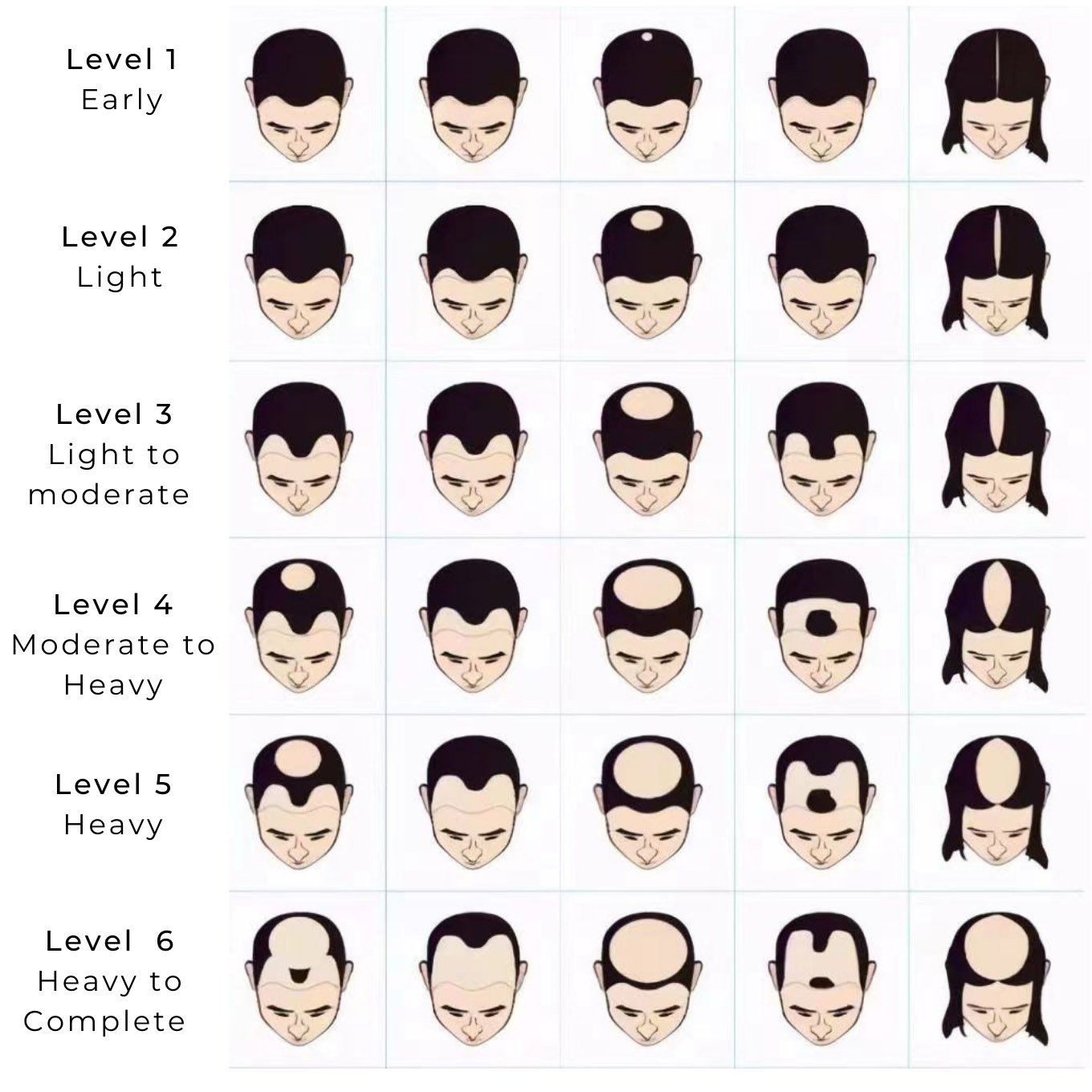
One of the most important aspects of treating miniaturisation is timing. Early-stage miniaturisation responds far more predictably than long-standing cases where follicles have remained weakened for years. Signs include increased scalp visibility, hair that struggles to grow past a certain length, and uneven density rather than complete bald patches.
In these cases, microneedling-led regrowth focuses on restoring circulation and improving follicular communication with the surrounding dermal environment. Over time, this allows hair shafts to gradually thicken across successive growth cycles rather than appearing overnight.
When Brow Miniaturisation Follows Similar Patterns
Although miniaturisation is most often discussed in relation to scalp hair, eyebrow follicles can undergo similar weakening. Years of over-plucking, waxing, or repeated embroidery can cause brow hairs to become progressively finer and less resilient.
For this reason, brow regrowth is often addressed alongside scalp concerns. The Eyebrow Regrowth Booster supports follicular nutrition, circulation, and dermal stability in brows showing signs of thinning or weak regrowth. Clients can proceed through the eyebrow regrowth booking pathway when brow miniaturisation is part of the overall picture.
When Miniaturisation Is Linked to Past Procedures
In some cases, follicular miniaturisation is compounded by past cosmetic procedures. Aggressive scalp treatments, poorly timed interventions, or repeated brow work can create inflammatory stress that accelerates follicular weakening.
For eyebrow cases involving previous pigment placement, stabilisation may be required before regrowth can succeed. RF Pulse eyebrow removal and brow revival can help restore dermal integrity, improving circulation and reducing barriers to follicular recovery. This sequencing often determines whether miniaturised follicles remain stalled or begin responding again.
Medical-Aesthetic Support for Advanced Miniaturisation


Some clients present with advanced miniaturisation combined with reduced healing capacity. These cases benefit from additional regenerative insight and pacing. This is where La Dermalogique supports regrowth planning alongside The Brow & Beauty Boutique.
Through medically guided options such as hairline regrowth microneedling, deeper regenerative stimulation can be introduced without overwhelming compromised tissue. This collaborative approach ensures microneedling remains corrective rather than excessive.
Setting Realistic Expectations for Re-Thickening
One of the most important aspects of addressing miniaturisation is expectation management. Re-thickening does not occur in a single cycle. Follicles strengthen gradually, producing slightly thicker hairs over multiple growth phases. Early regrowth may appear uneven or subtle, which reflects biological repair rather than failure.
At The Brow & Beauty Boutique, progress is evaluated over time, with treatment plans adjusted based on follicular response rather than rigid schedules. Clients are encouraged to understand the biology behind miniaturisation so they can recognise meaningful improvement even when change is gradual.
Those who wish to understand the clinic’s assessment-led philosophy and long-term approach can explore our story, which outlines a commitment to medically informed, sustainable regrowth care.
Strengthening Follicles, Not Chasing Density
Addressing follicular miniaturisation is not about forcing rapid density. It is about restoring the biological conditions that allow follicles to regain strength and function. With microneedling-led regrowth, miniaturised follicles are given the opportunity to respond again, making long-term improvement possible.