
Why Some Eyeliner Appears Heavier After Healing and How Density Can Be Safely Rebalanced
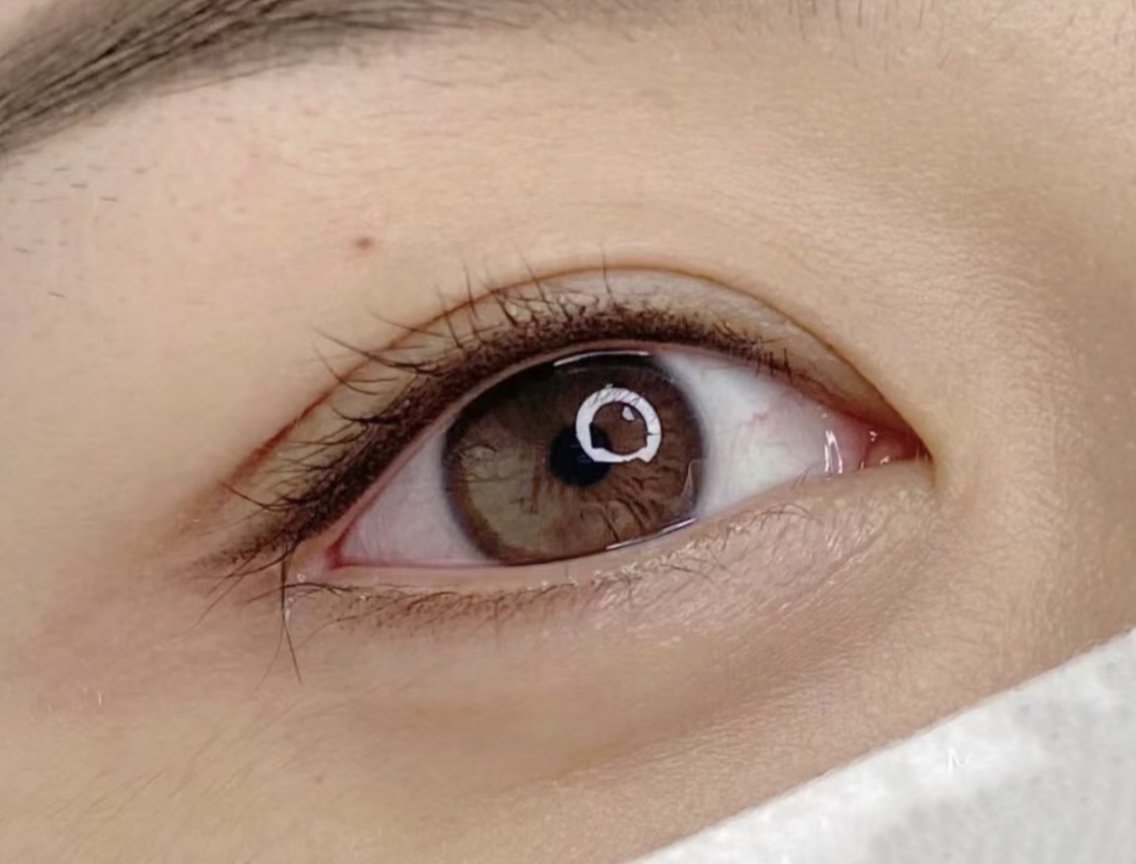
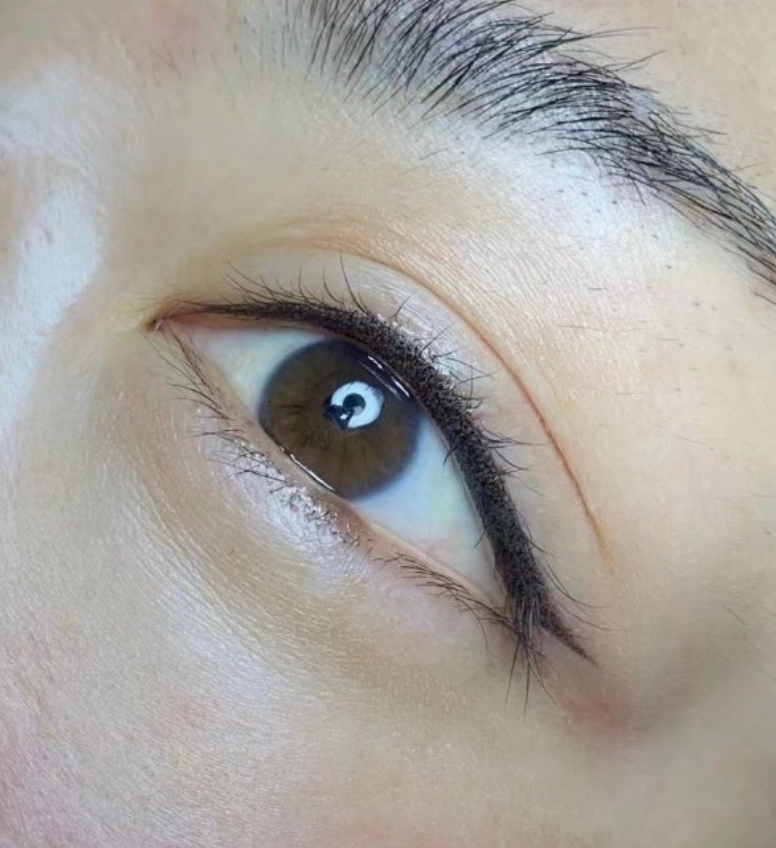


It is not uncommon for clients to feel that their eyeliner looks heavier several months after healing than it did in the early stages. What may have appeared balanced immediately post-procedure can later feel thicker, darker, or visually dominant along the eyelid margin. From a professional standpoint, this change is not accidental. It reflects density-related pigment behaviour within the periocular region, combined with how the tissue heals and stabilises over time.
At The Brow & Beauty Boutique, this concern is addressed through medical-led assessment rather than cosmetic concealment. Understanding why density shifts occur after healing is essential before choosing any corrective action.
Why Eyeliner Can Look Heavier After Healing
During the initial healing phase, periocular tissue is often mildly swollen and inflamed. This temporarily disperses pigment visually, making the eyeliner appear softer or lighter. As inflammation resolves and the skin contracts back to its baseline state, pigment density becomes more apparent.
Several mechanisms contribute to a heavier appearance over time:
Density consolidation, where pigment particles settle and appear more concentrated once swelling subsides
Depth perception changes, making deeper pigment look darker after full epidermal recovery
Diffusion artefacts, which soften edges and increase the perceived width of the line
Chromatic shift, where black pigment appears grey or blue, increasing visual weight
These processes are biological, not procedural errors. They explain why eyeliner can feel “too strong” months after what initially seemed like a well-balanced result.
Why Adding More Pigment Is Not the Solution
When eyeliner appears heavy, the instinctive response is often to adjust shape or contrast by adding more pigment elsewhere. In the periocular region, this approach typically worsens the problem. Additional pigment increases density overload, which can push existing pigment deeper and accelerate diffusion.
Re-tattooing also masks important diagnostic cues. Once new pigment is layered over old, it becomes more difficult to assess where density is excessive and where it is stable. This reduces the accuracy of any future correction and may limit safe options.
Medical-led correction avoids this cycle entirely by focusing on rebalancing density, not increasing it.
Assessment Comes Before Density Rebalancing
Before any corrective work is performed, a structured periocular assessment is essential. This evaluation looks beyond colour and shape to determine how density is distributed across the eyelid margin.
Key factors assessed include:
Pigment depth and saturation variation
Areas of diffusion versus stable placement
Relationship between density and eyelid anatomy
Tissue reactivity and healing behaviour
This information determines whether the eyeliner would benefit from partial lightening, staged reduction, or stabilisation. Without assessment, density correction becomes guesswork rather than controlled adjustment.
Clients who wish to understand this approach in more detail can review the clinic’s framework for professional eyeliner colour correction in Singapore, where density management is explained within a safety-first context.
Begin With a Density-Focused Eyeliner Assessment
If your eyeliner feels heavier than expected after healing, the most important first step is evaluation. A professional consultation allows your specialist to identify whether the issue is related to density, diffusion, depth, or a combination of factors.
Book an eyeliner correction consultation to receive guidance grounded in anatomy, pigment behaviour, and periocular safety rather than assumptions.
How Density Can Be Safely Rebalanced
Medical-led density rebalancing does not aim to erase eyeliner. Instead, it focuses on controlled periocular pigment lightening, selectively reducing areas of excess saturation while preserving stable pigment.
This staged approach allows specialists to:
Reduce visual heaviness without destabilising surrounding tissue
Restore proportional balance along the eyelid margin
Minimise post-inflammatory response through incremental adjustment
By allowing the tissue to recover between sessions, density changes remain predictable and conservative. This is particularly important in the periocular region, where aggressive intervention can compromise long-term outcomes.
When Refinement Becomes an Option
Once excess density has been reduced and pigment behaviour stabilised, some clients choose to refine their eyeliner. This step is optional and only considered after rebalancing goals have been achieved.
Modern eyeliner embroidery techniques emphasise superficial dermal placement and controlled saturation, reducing the risk of future density overload. Clients exploring this stage may review eyeliner embroidery services in Singapore, including subtle options such as baby eyeliner for refined lash enhancement or classic eyeliner for structured yet balanced definition.
Crucially, refinement is never used to mask unresolved density issues. It follows correction, not the other way around.
Supporting Periocular Recovery During Density Adjustment
Density rebalancing outcomes are influenced by how well periocular tissue recovers between stages. Supporting hydration, circulation, and barrier integrity helps maintain comfort and predictability throughout the process.
Many clients incorporate supportive care such as the La Dermalogique Eye Spa – Iris Clarity treatment during correction. This complements medical-led adjustment by promoting periocular calmness without interfering with pigment protocols.
Heaviness Is a Density Issue, Not a Failure
When eyeliner appears heavier after healing, the solution is not concealment or additional pigment. It is controlled density rebalancing, guided by assessment, restraint, and medical judgement.
With the right sequencing and expertise, eyeliner can be softened and balanced while protecting long-term periocular health.
Schedule your professional eyeliner correction consultation to begin a correction journey focused on clarity, safety & lasting results.