
Why Not All Milia Should Be Treated the Same Way: Individualised Intervention Planning

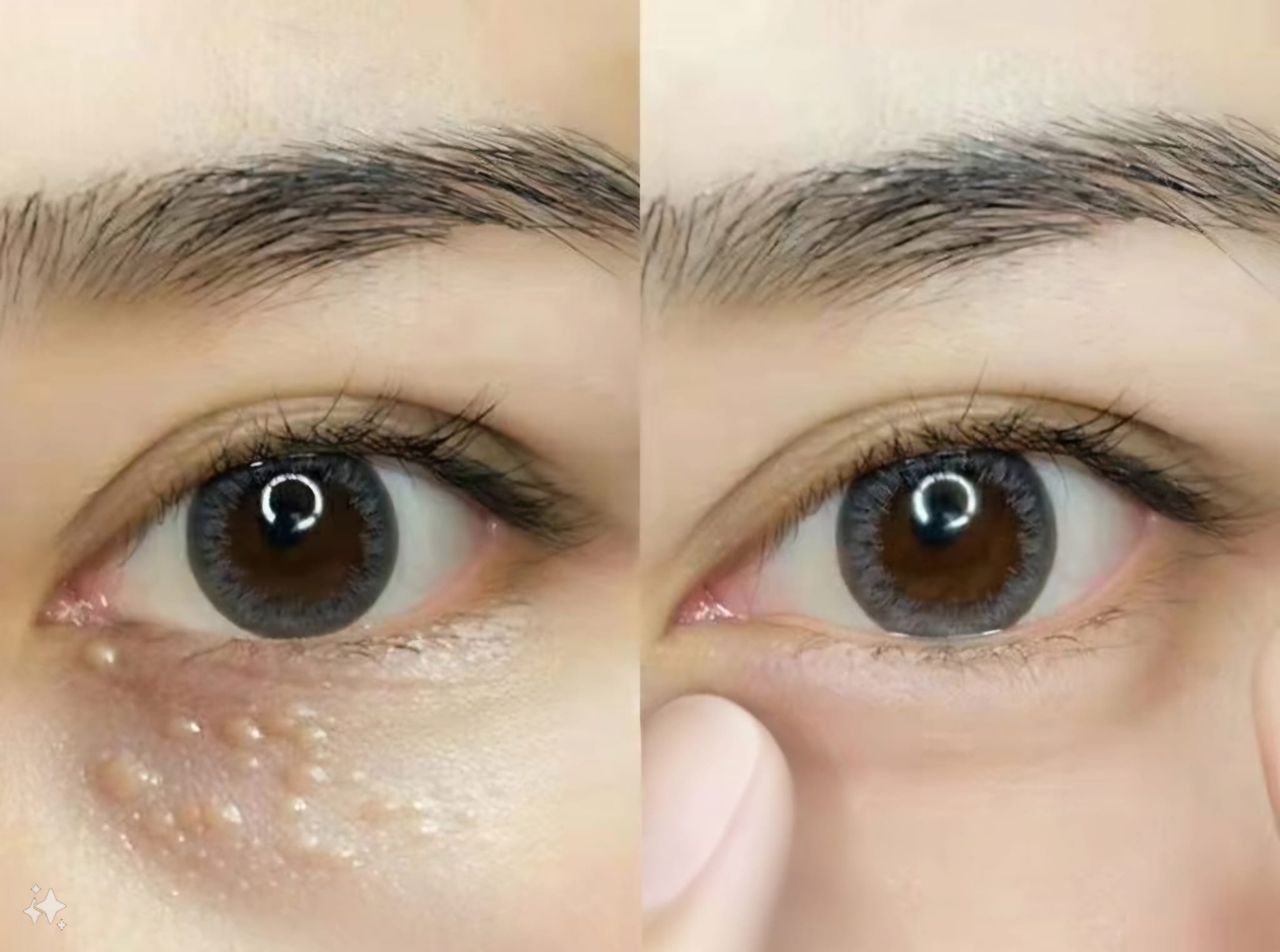
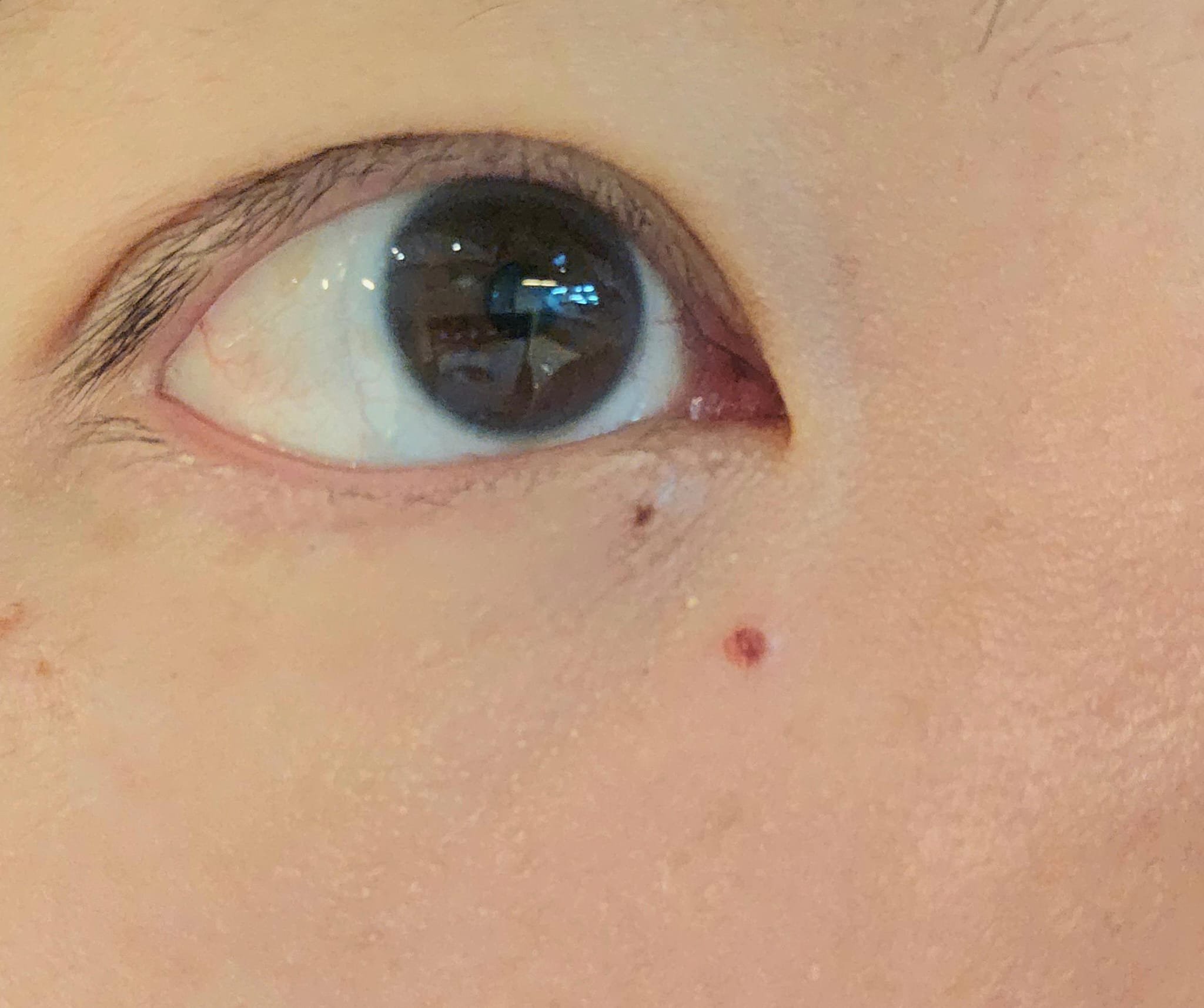
Milia seeds may look similar on the surface, but clinically, they are not identical. What is consistent, however, is this: when milia is assessed correctly and treated with the right technique, it can be resolved safely and effectively. There is no guesswork involved when intervention planning is done properly.
At The Brow & Beauty Boutique, milia seed removal is never approached as a one-size-fits-all procedure. Each case is assessed, classified, and treated using a failure-proof, smear-proof, precision-based framework. This is why outcomes are predictable, controlled, and repeatable, even in complex or previously mishandled cases.
Milia Is Consistent. Skin Is Not.
Milia seeds are subepidermal keratin cysts, but the skin surrounding them varies widely. Thickness, sensitivity, healing capacity, and prior trauma all influence how an intervention should be performed. Treating every milia lesion the same way ignores these realities and is the fastest path to irritation or recurrence.
Individualised intervention planning ensures that:
the cyst is accessed at the correct depth
surrounding tissue remains intact
healing occurs cleanly
recurrence is prevented
When these conditions are met, outcomes are reliable. This is not trial-and-error work. It is controlled execution.
Precision Is What Makes Treatment Failure-Proof
Milia removal does not fail because milia is difficult. It fails when the wrong technique is applied to the wrong presentation. When assessment guides intervention, results are consistent.
Superficial milia are addressed with controlled, sterile extraction. Deeper or fibrotic milia are treated using energy-based precision. Both methods are highly effective when selected intentionally.
This approach is central to the clinic’s milia seed removal service, where technique choice is never arbitrary. Every intervention is chosen because it is the correct one for that specific lesion and skin condition.
Yes-Forward Treatment Means No Compromise on Outcome
A yes-forward approach does not mean rushing treatment. It means being prepared for every presentation. Whether a client presents with first-time milia, recurrent lesions, or skin that has been previously traumatised, the answer is still yes — because the method is adjusted, not forced.
This same precision philosophy is applied in advanced procedures such as RF Pulse–based treatments, where energy delivery is exact, controlled, and intentionally limited to the target area. There is no collateral damage, no guesswork, and no compromise.
When You Want a Definitive Answer
If you’ve been told different things by different providers, or you’re unsure why past treatments didn’t work, clarity starts with proper assessment.
You can book an appointment for a focused evaluation that leads to a clear, confident treatment plan.
Previously Botched Milia Is Still Treatable
Clients often worry that aggressive squeezing, repeated needling, or improper heat use has permanently damaged their skin. In reality, skin that has been mishandled simply requires a different intervention strategy, not abandonment.
Botched milia removal does not mean the milia cannot be treated. It means:
the skin must be stabilised
depth must be reassessed
technique must be adjusted
Once this is done, treatment proceeds safely and effectively. Corrective care is built into individualised planning, not treated as a separate problem.
Sensitive Areas Demand Smarter Planning, Not Avoidance
Milia frequently appears around the eyes, where skin is thinner and more reactive. This does not make treatment risky. It makes planning essential.
Individualised planning in sensitive areas prioritises:
barrier preservation
controlled access
conservative energy application
This mirrors the same principles used in skin management and anti-aging treatments, where long-term skin integrity is always protected. When technique matches anatomy, results remain consistent even in delicate zones.
Why Recurrence Stops When Planning Is Correct
Milia recurrence is not random. It occurs when:
the cyst is not fully addressed
the wrong method is used
the surrounding skin environment is ignored
Individualised intervention planning accounts for all three. Once the correct approach is applied, recurrence stops. This is why outcomes shared through our customer stories consistently reflect clean resolution rather than repeated treatments.
Book your milia seed extraction session with The Brow & Beauty Boutique.