
Stabilising Inflammatory Skin Responses Behind Persistent Redness and Sensitivity

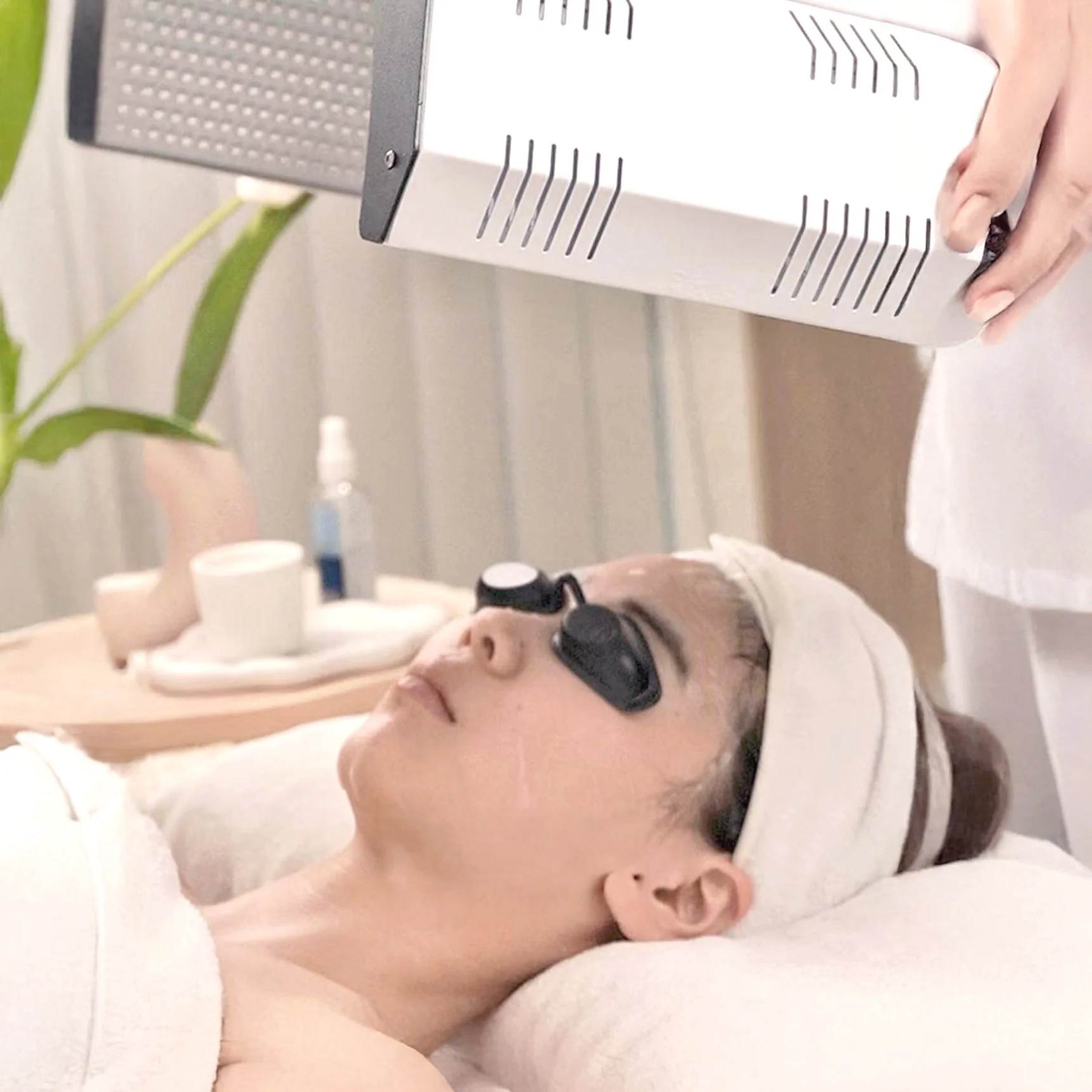


Persistent redness and sensitivity are often treated as surface-level problems, yet they are rarely caused by a single trigger. In most cases, they reflect an underlying inflammatory skin response that has become dysregulated over time. When inflammation is no longer efficiently resolved, the skin remains in a reactive state—appearing flushed, feeling uncomfortable, and responding unpredictably to treatments and products.
At The Brow & Beauty Boutique, redness and sensitivity are managed through structured skin management, not suppression or overcorrection. The goal is to stabilise inflammatory pathways, restore tolerance thresholds, and support long-term skin resilience rather than chasing short-term calm.
Clients can learn more about this approach through our Skin Management & Anti-Aging framework, which prioritises regulation and recovery over intensity.
Why Redness Persists Even Without Obvious Triggers
Inflammation is a normal part of skin defence and repair. However, when regulatory mechanisms are compromised, inflammatory signalling may remain active longer than necessary. This can be driven by barrier dysfunction, repeated overstimulation, impaired microcirculation, or cumulative treatment fatigue.
Clients with chronic redness often report that their skin reacts “for no reason,” flares unpredictably, or becomes sensitive to products they previously tolerated well. These patterns suggest that the issue is not hypersensitivity alone, but reduced inflammatory resolution capacity.
Why Calming Products Alone Are Not Enough
Soothing skincare can provide temporary relief, but it does not address why inflammation persists in the first place. In some cases, repeated use of calming products without addressing barrier integrity or recovery capacity can mask symptoms while instability continues underneath.
Skin management focuses on restoring balance rather than suppressing response. This involves reducing unnecessary stimulation, supporting epidermal recovery, and allowing inflammatory cycles to complete properly. Once regulation improves, redness often reduces naturally and becomes easier to manage.
Clients experiencing persistent redness or sensitivity are encouraged to begin with an Initial Skin Management Consultation, where inflammatory triggers, skin tolerance, and treatment history are assessed before intervention.
Supporting Inflammatory Regulation Through Conservative Care
Inflamed skin does not benefit from aggressive treatment. In fact, overstimulation often prolongs redness by keeping inflammatory pathways active. Skin management adopts a conservative strategy, selecting treatments that support repair and microcirculation without provoking rebound inflammation.
Controlled stimulation, paired with sufficient recovery time, allows the skin to recalibrate. As regulation improves, sensitivity decreases, redness stabilises, and the skin begins to respond more predictably to both professional care and home routines.
Clients who prefer a cautious, structured approach often benefit from a Progressive Skin Conditioning Session, designed to improve tolerance while supporting gradual anti-aging benefits.
Identifying Hidden Contributors to Chronic Redness
Persistent redness rarely has a single cause. It often develops due to repeated low-grade stressors such as frequent exfoliation, excessive device-based treatments, environmental exposure, or insufficient recovery between procedures. Even well-managed skin can enter an inflammatory state if these factors accumulate over time.
Understanding these contributors allows skin management to shift from reactive care to stabilisation. For many clients, reducing treatment frequency and improving recovery sequencing becomes the turning point in calming sensitive skin.
Clients seeking clarity on whether their redness reflects inflammation rather than surface irritation can refer to our frequently asked questions, which explain how skin tolerance and recovery influence outcomes.
Long-Term Benefits of Inflammatory Stabilisation
When inflammatory responses stabilise, clients often notice more than reduced redness. Skin feels calmer, texture improves, and tolerance to both treatments and skincare increases. Importantly, anti-aging improvements achieved on a stable foundation tend to last longer and require less intervention.
These outcomes are reflected in our customer stories, where many clients describe reduced sensitivity as the foundation for meaningful skin improvement. The philosophy behind this conservative, regulation-first approach is also part of our story.
The La Dermalogique Perspective: Calming Without Compromising Repair
Stabilising inflammatory skin responses is further supported through collaboration with our sister brand, La Dermalogique. Their treatments focus on advanced conditioning, microcirculatory support, and regenerative signalling—key elements in resolving inflammation without suppressing healing.
The La Dermalogique Signature Skin Treatment is particularly effective for skin experiencing redness alongside early aging concerns, as it supports balance while encouraging recovery. For clients seeking refinement without triggering sensitivity, Signature Glow-Up Contouring provides non-ablative support that respects inflammatory thresholds.
These treatments integrate seamlessly with skin management protocols focused on long-term stability.
Restoring Calm as a Foundation for Healthy Aging
Persistent redness and sensitivity are not signs of fragile skin—they are signals that regulation needs support. With proper assessment, conservative sequencing, and respect for recovery cycles, inflammatory responses can stabilise, allowing skin to regain comfort, resilience, and predictability.
Clients ready to calm their skin before pursuing further anti-aging goals can book a Comprehensive Skin Management Session, where treatment planning is guided by skin behaviour rather than assumptions.