
Restoring Dermal Density in Skin That Appears Crepey or Fragile


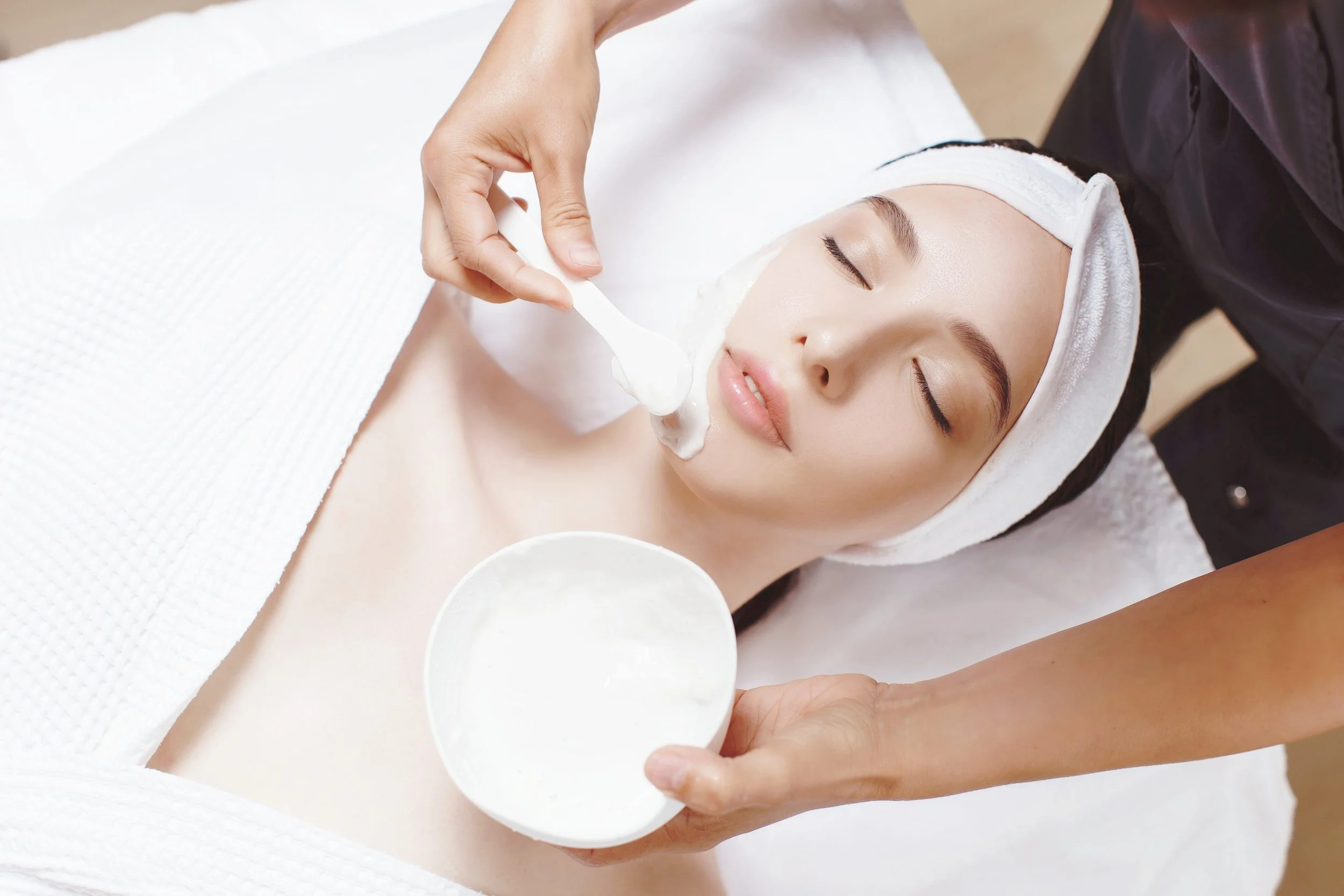

Skin that looks crepey or fragile often concerns clients more than visible wrinkles. The skin may feel thin, lax, or easily irritated, with a delicate appearance that makeup and topical products cannot correct. While this change is frequently attributed to “aging,” the true issue is usually loss of dermal density and structural support, not surface dryness alone.
At The Brow & Beauty Boutique, crepey or fragile skin is addressed through skin management, not aggressive tightening. Restoring dermal density requires a methodical, biologically informed approach that rebuilds structural integrity without overwhelming compromised tissue.
Clients seeking an overview of this philosophy can begin with our Skin Management & Anti-Aging framework, which focuses on strengthening skin from within rather than forcing superficial change.
What Causes Skin to Look Crepey or Fragile
Crepey skin develops when collagen density, elastin organisation, and extracellular matrix support decline faster than surface renewal can compensate. This results in skin that appears finely wrinkled, lax, or tissue-paper thin, especially around the eyes, neck, décolletage, and inner arms.
Common contributors include intrinsic aging, photo-damage, hormonal changes, repeated inflammation, and cumulative overstimulation from treatments that prioritise tightening over tissue quality. In many cases, the skin’s ability to repair and reinforce itself has slowed, making aggressive interventions counterproductive.
Understanding this distinction is critical. Fragile skin does not need more force—it needs structural reconditioning.
Why Tightening Alone Does Not Restore Dermal Density
Many anti-aging treatments aim to tighten the skin temporarily by inducing contraction or inflammation. While this can create short-term firmness, it does little to rebuild dermal volume or resilience. In fragile skin, excessive tightening can actually worsen translucency and sensitivity.
Skin management reframes the goal. Rather than pulling the skin taut, the focus is on encouraging collagen organisation, improving dermal thickness, and supporting fibroblast activity under conditions the skin can tolerate. This produces results that feel stronger, not just firmer.
Assessment Before Structural Repair
Restoring dermal density requires understanding the skin’s current capacity. At The Brow & Beauty Boutique, treatment planning begins with careful evaluation of tissue quality, recovery response, vascular support, and treatment history.
Clients concerned about crepey or fragile skin are encouraged to book an Initial Skin Management Consultation. This consultation determines whether tissue thinning is driven by barrier dysfunction, poor recovery response, cumulative inflammation, or age-related collagen decline.
With proper assessment, intervention can be targeted and paced appropriately.
Supporting Dermal Rebuilding Through Sequenced Care
Fragile skin requires a slower, more deliberate approach. Overstimulation can impair collagen formation and prolong inflammation, preventing meaningful improvement. Skin management uses sequencing to allow regeneration to occur under optimal conditions.
Initial phases may focus on stabilising barrier function and vascular support before introducing dermal stimulation. This staged strategy allows fibroblasts to function more efficiently, leading to gradual thickening and improved tissue integrity.
Clients who require structured rebuilding often move into a Progressive Skin Conditioning Session, designed to support cumulative dermal strengthening without compromising comfort or safety.
Managing Expectations for Crepey Skin Improvement
Improving dermal density takes time. Early progress may present as improved skin feel, reduced fragility, and better tolerance to touch and products before visible firmness appears. This progression reflects genuine structural improvement rather than superficial tightening.
Anti-aging skin management sets expectations clearly. Clients are guided to understand that restoring density is a long-term process, but one that produces more durable and natural-looking results.
Those seeking clarity on timelines and outcomes often consult our frequently asked questions, which explain why fragile skin benefits from patience rather than escalation.
Long-Term Strength Over Short-Term Firmness
As dermal density improves, skin typically becomes more resilient, less reactive, and better able to maintain tone without constant intervention. These changes support long-term anti-aging outcomes and reduce reliance on aggressive treatments.
Clients often describe this shift in our customer stories, where improved strength and comfort are valued alongside visible refinement.
Those interested in the clinical philosophy behind this approach can explore our story to understand why restraint and judgement are essential when treating fragile skin.
The La Dermalogique Perspective: Reconditioning Without Compromising Tissue
For skin with reduced dermal density, supportive reconditioning is critical. Collaboration with La Dermalogique allows access to non-ablative treatments that enhance microcirculation, cellular signalling, and tissue oxygenation without inducing excessive inflammation.
Treatments such as the La Dermalogique Signature Skin Treatment and Signature Glow-Up Contouring are often integrated for clients with crepey or fragile skin. These approaches support gradual tissue strengthening while respecting recovery limits.
Rebuilding Skin That Feels Strong Again
Crepey or fragile skin is not a cosmetic flaw—it is a structural condition that requires careful management. With appropriate assessment, sequencing, and supportive care, dermal density can be improved safely and sustainably.
Clients ready to begin this process can book a Comprehensive Skin Management Session, where anti-aging planning is guided by tissue integrity, recovery capacity, and long-term skin health.