
Precision Milia Extraction vs Electrocautery: How Professionals Decide Which Method Is Appropriate

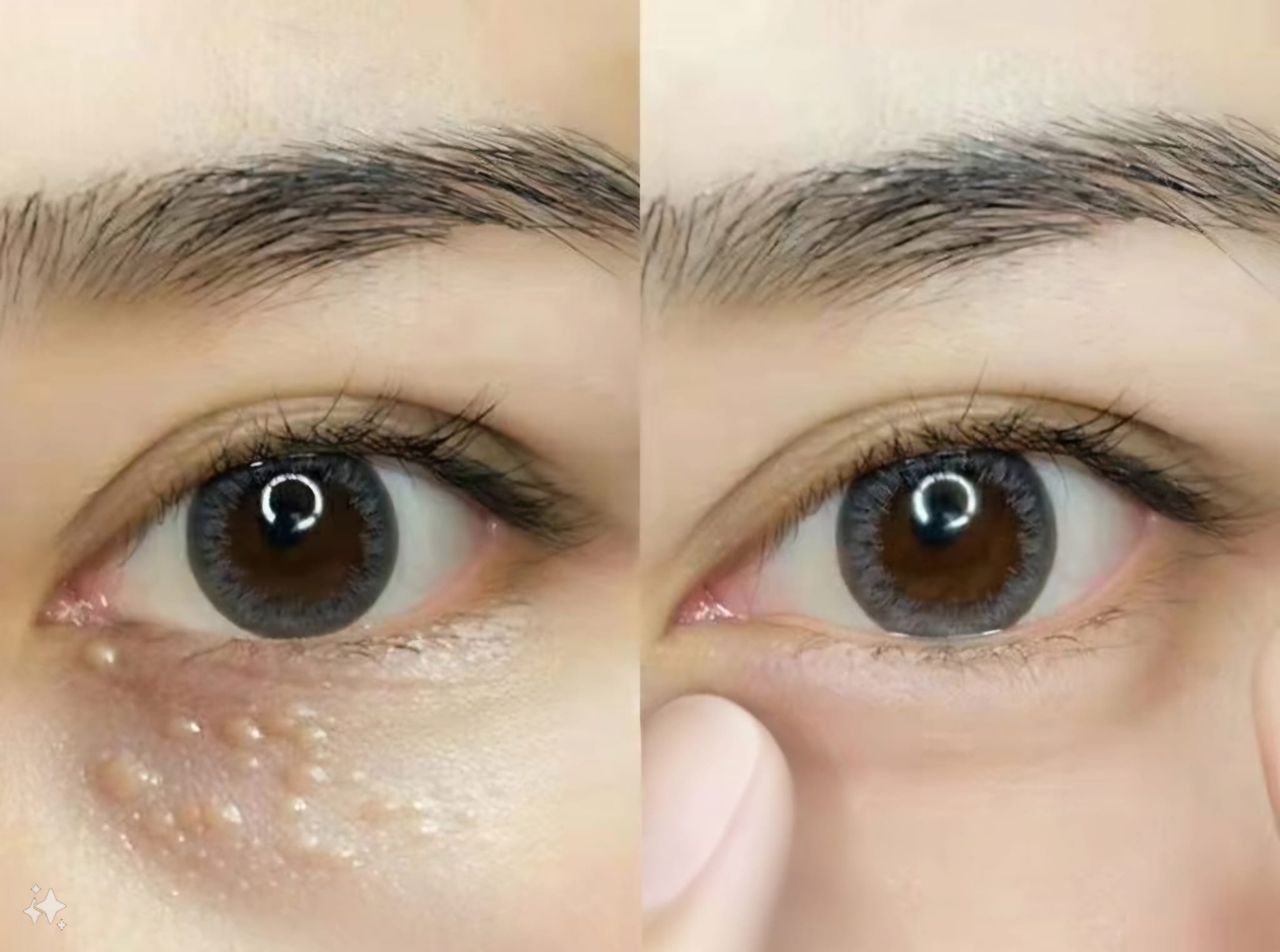
Milia seeds, clinically classified as subepidermal keratin cysts, are often dismissed as simple white bumps on the face. In reality, milia vary widely in depth, firmness, and surrounding skin condition. These differences are precisely why professional milia removal requires assessment-driven decision making rather than a single, standardised approach.
At The Brow & Beauty Boutique, milia seed removal is approached as a clinical skin concern, not a cosmetic inconvenience. Each case is evaluated based on lesion behaviour, anatomical location, and skin resilience before any treatment method is selected. This is what separates effective resolution from repeated recurrence.
Understanding the Structure of Milia Seeds
Unlike blackheads or clogged pores, milia do not have an opening to the skin surface. Keratin becomes trapped beneath the epidermis and forms a compact cyst, often enclosed by a firm wall. This is why exfoliation, squeezing, or home needling almost never produces lasting results.
In many clients, particularly those who have tried self-removal or multiple treatments elsewhere, the keratin capsule becomes denser over time. Without accurate targeting, attempts to remove milia can cause unnecessary inflammation while leaving the cyst intact. This is why professional milia removal focuses on precision rather than force.
When Precision Milia Extraction Is Appropriate
Precision milia extraction is most effective when the cyst is superficial, well-defined, and not anchored deeply within the dermis. In these cases, controlled access allows the keratin to be released cleanly without disrupting surrounding tissue.
This technique is commonly used for isolated milia on stable skin areas, where healing capacity is predictable and skin tension can be managed safely. When performed correctly, extraction minimises trauma, reduces downtime, and lowers the risk of post-inflammatory marks.
Clients exploring this option can find detailed information about assessment and treatment through the clinic’s dedicated milia seed removal service.
Clients who have experienced aggressive or unsuccessful milia removal often worry that the skin has been permanently damaged. In most cases, the concern is not irreversible harm but localised inflammation or barrier disruption caused by incorrect technique. With adequate healing time and reassessment, previously treated areas can often be approached more conservatively, allowing effective milia removal while supporting skin recovery rather than further stress.
When Electrocautery Becomes Clinically Necessary
Not all milia are suitable for manual extraction. Some are deeply seated, fibrotic, or recur because the keratin capsule cannot be released intact. In these cases, electrocautery may be the safer and more effective option.
Electrocautery uses controlled thermal energy to access and neutralise stubborn milia while preserving surrounding skin. It is not about applying more power, but about applying the correct amount of energy at the correct depth. This same precision-based logic is used in treatments such as RF Pulse pigment removal, where energy delivery must be tightly controlled to avoid collateral tissue damage.
Treating Milia Near the Eyes Requires Extra Judgement
Milia commonly appear around the eyes, an area where skin is thinner, vascular structures are closer to the surface, and healing responses are more sensitive. This region demands careful method selection and conservative technique.
Incorrect treatment near the eyes can lead to prolonged redness, irritation, or unnecessary downtime. This is why the clinic applies the same principles used in broader skin management and anti-aging treatments: protect the skin barrier first, intervene second.
Why Milia Sometimes Return After Removal
Recurrence is rarely caused by “incomplete” removal alone. In many cases, recurring milia reflect repeated skin stress, inappropriate product use, or previous trauma that disrupted normal keratin shedding. Without reassessment, repeating the same technique often produces the same outcome.
Clients with recurrent milia are typically guided through a more comprehensive evaluation process, where treatment decisions are adjusted rather than repeated. Real-world examples of this approach can be seen in our customer stories, which highlight how reassessment improves long-term outcomes.
Setting Expectations Without Making Promises
Responsible milia treatment does not rely on absolute claims. Most cases can be effectively treated when the correct assessment and technique are used, but skin behaviour varies. Clear communication, honest expectation setting, and tailored solutions are central to safe outcomes.
For individuals seeking a professional opinion or unsure which method is appropriate, consultations are encouraged. You can book an appointment to discuss your concerns, ask questions, and receive recommendations based on clinical judgement rather than assumptions.