Milia on Oily or Acne-Prone Skin: Comparing Conservative Extraction and Interventional Approaches

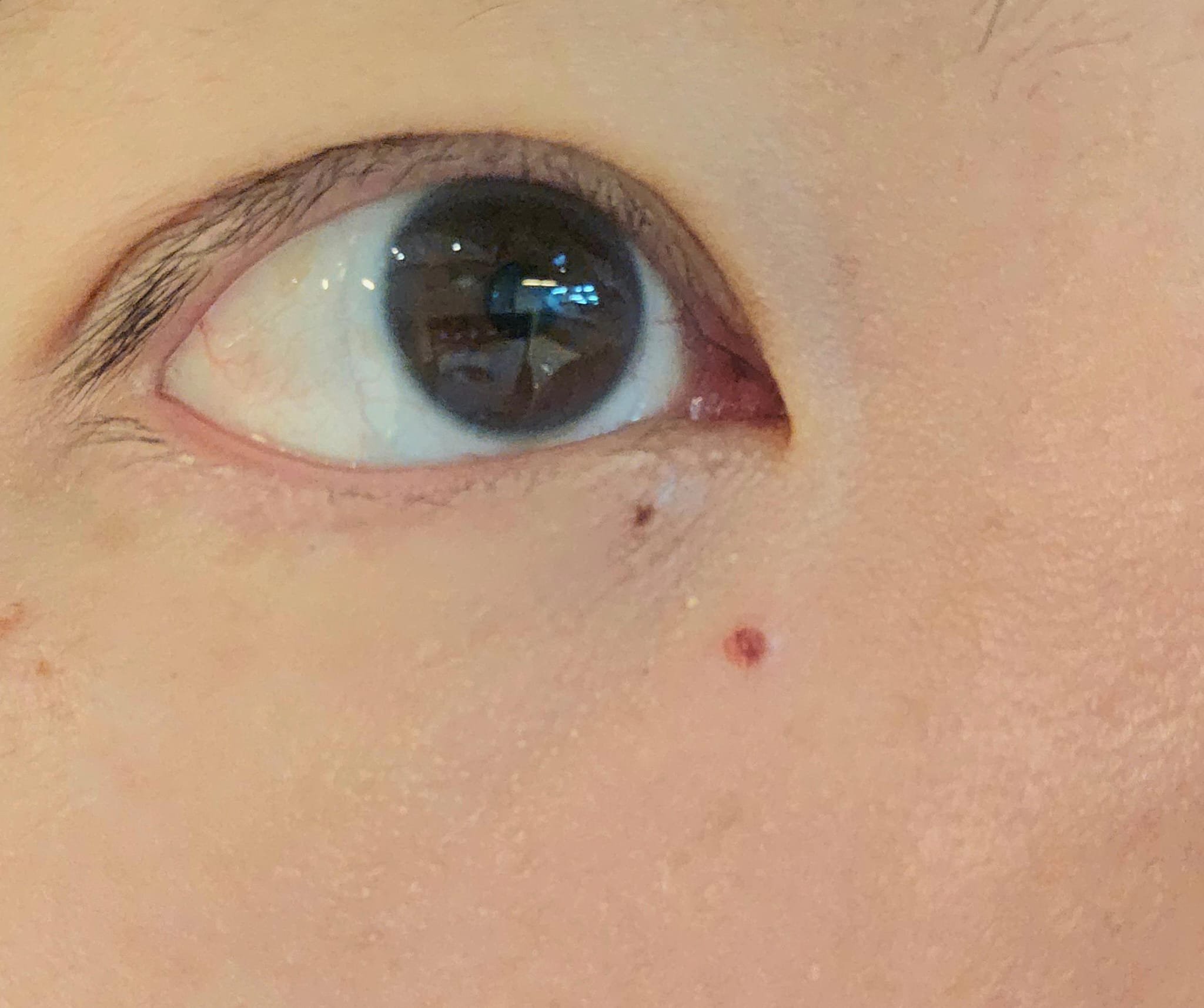

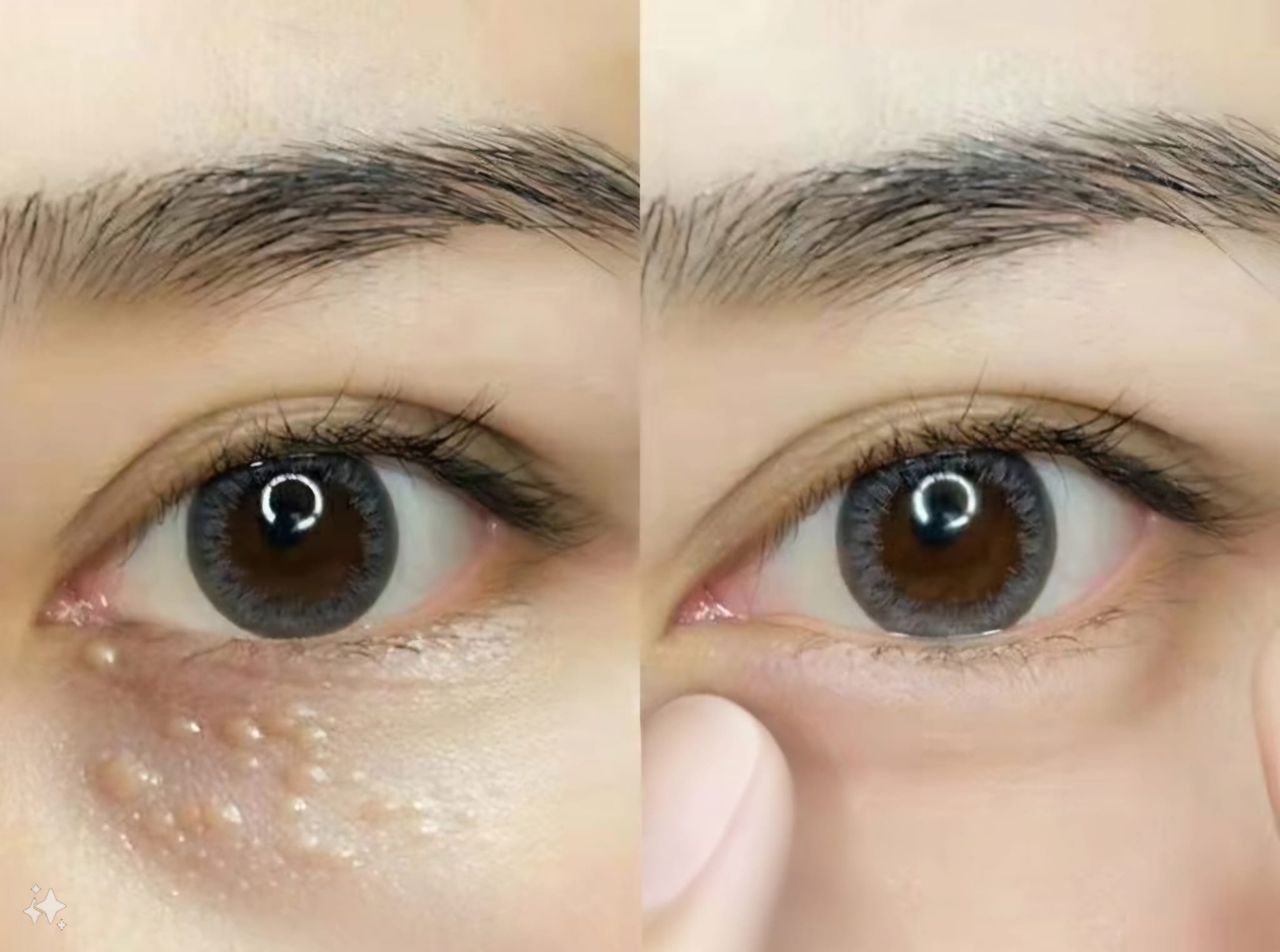
Milia seeds are often assumed to be a “dry skin problem,” yet some of the most persistent and recurrent milia cases occur in individuals with oily or acne-prone skin. This apparent contradiction leads many clients to question whether their skin type makes milia removal more difficult or less effective. Clinically, the answer is more nuanced.
Milia formation on oily or acne-prone skin is influenced by sebum production, follicular activity, inflammation history, and prior treatments. These factors directly affect how milia should be managed and whether conservative extraction or interventional approaches are more appropriate.
At The Brow & Beauty Boutique, milia removal on oily skin is guided by assessment rather than assumption. Skin type does not determine whether treatment will work. It determines how treatment should be approached.
Why Milia Behaves Differently on Oily or Acne-Prone Skin
Oily and acne-prone skin is characterised by increased sebaceous activity, thicker epidermal turnover, and a higher likelihood of inflammation. While milia themselves do not originate from oil glands, these surrounding conditions influence how keratin becomes trapped beneath the skin.
In acne-prone individuals, prior inflammation or micro-injury can disrupt normal keratin shedding, leading to secondary milia formation. These milia are often deeper, more fibrotic, and more resistant to superficial expression.
This is why attempts to treat milia on oily skin using force or repeated extraction often result in irritation rather than resolution.
Conservative Extraction: When It Is Appropriate
Conservative, sterile milia extraction may be suitable for oily-skinned clients when the milia is superficial, well-defined, and not associated with active inflammation. In these cases, controlled access allows the keratin cyst to be released without triggering an inflammatory response.
However, conservative extraction on oily or acne-prone skin requires restraint. Excessive manipulation can stimulate sebaceous activity, prolong redness, or trigger post-inflammatory hyperpigmentation.
This approach is most effective when:
the skin is calm at the time of treatment
active acne is not present in the immediate area
the cyst structure is accessible
When these conditions are not met, conservative extraction alone may not be the safest option.
When Interventional Approaches Are Clinically Indicated
Interventional approaches are considered when milia are deeply seated, recurrent, or resistant to manual extraction. In oily or acne-prone skin, this often reflects repeated inflammation or prior unsuccessful attempts that altered the cyst structure.
Energy-based techniques allow controlled access to the keratin cyst without compressing surrounding tissue. This reduces mechanical stress on already reactive skin and improves precision.
At The Brow & Beauty Boutique, these decisions follow the same depth-controlled principles used in RF Pulse-based treatments, where tissue response guides technique selection rather than skin type labels.
When Skin Type Is Complicating Treatment
If you have oily or acne-prone skin and have experienced failed milia treatments in the past, this often reflects method mismatch, not treatment limitation. A personalised assessment can clarify whether conservative extraction or a more targeted interventional approach is safer for your skin.
You can explore how this evaluation is applied through the clinic’s dedicated milia seed removal service, which outlines how skin behaviour and lesion structure influence treatment choice.
Managing Inflammation Risk on Acne-Prone Skin
One of the primary concerns when treating milia on acne-prone skin is inflammation control. Even minimal trauma can activate inflammatory pathways, increasing the risk of redness, prolonged healing, or pigment changes.
For this reason, milia removal on oily skin is often coordinated with broader skin stabilisation strategies. These principles align with skin management and anti-aging treatments, where barrier support and recovery are prioritised alongside corrective work.
Treating milia without addressing underlying skin reactivity increases the likelihood of recurrence.
Why Recurrence Is Common in Oily Skin Types
Clients with oily skin frequently report that milia “keeps coming back.” In many cases, this recurrence reflects continued skin behaviour rather than incomplete removal.
Ongoing occlusion, inappropriate product use, or repeated irritation can promote secondary milia formation even after successful treatment. This is why reassessment is essential when milia recurs in the same region.
Rather than repeating the same technique, treatment plans are adjusted to suit current skin conditions. Outcomes shaped by this reassessment-first approach are reflected in our customer stories, where clients describe improved long-term results after technique refinement.
Avoiding Common Mistakes on Oily or Acne-Prone Skin
A common misconception is that oily skin requires more aggressive treatment. In reality, excessive intervention often worsens outcomes. Applying pressure, repeating extraction attempts, or treating inflamed skin increases the likelihood of complications.
Safe milia management on oily skin prioritises:
calm skin before intervention
precise targeting
minimal disruption to surrounding tissue
These principles reduce inflammation risk while supporting cleaner healing.
Choosing the Right Path Forward
Milia on oily or acne-prone skin is not harder to treat. It simply requires more nuanced clinical judgement. Conservative extraction and interventional approaches are both valid tools when selected appropriately.
If you are unsure which approach suits your skin, a professional evaluation provides clarity. You may book an appointment to discuss your concerns, review past experiences, and receive recommendations tailored to your skin’s behaviour rather than assumptions.