
Choosing a Milia Removal Specialist: What Clinical Knowledge Should Guide Your Decision

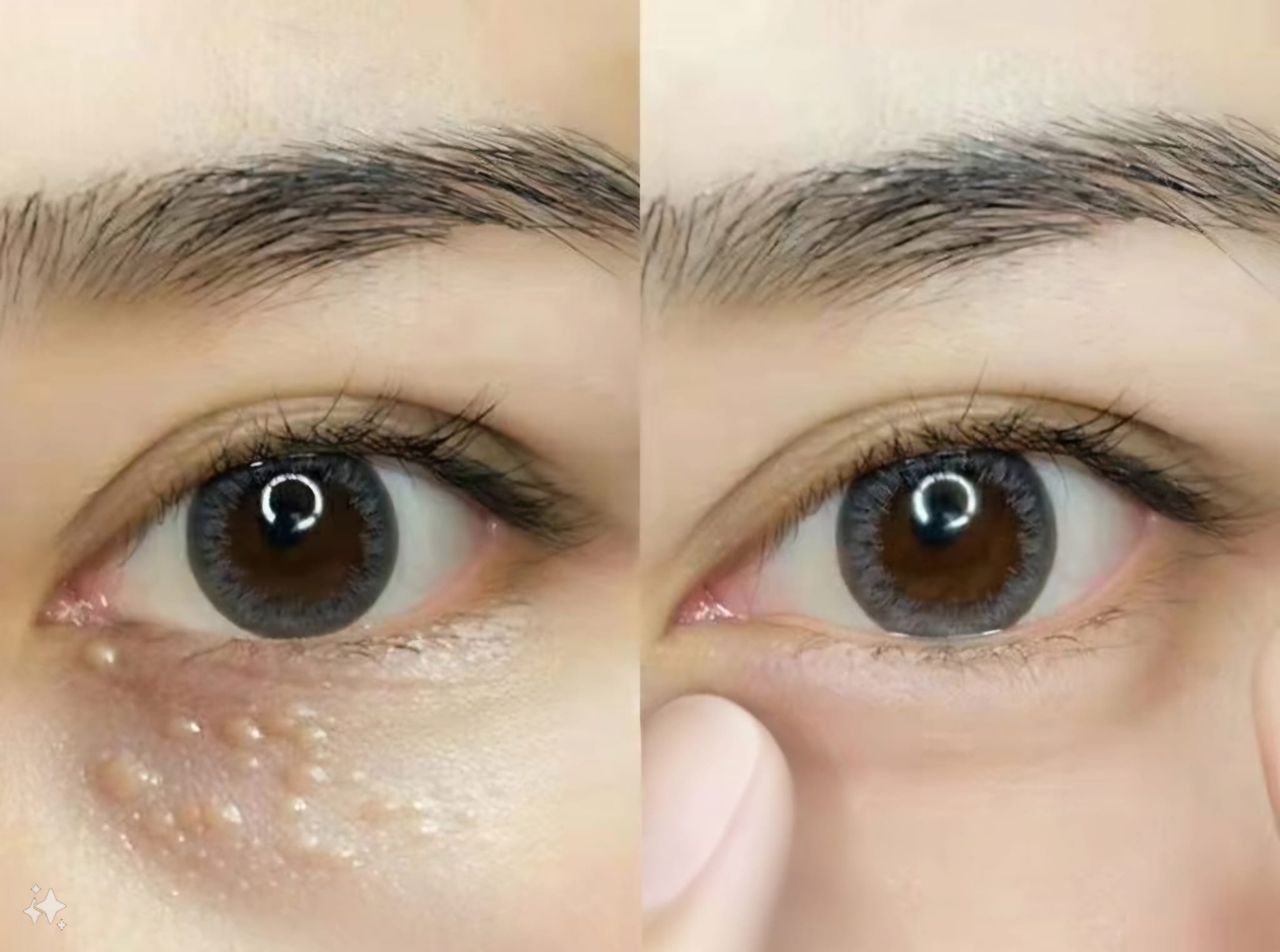

Choosing a milia removal specialist is not about finding someone who can “remove white bumps.” It is about choosing a practitioner who understands what those bumps actually are, how they behave in different skin environments, and how to resolve them without compromising skin integrity. When clinical knowledge guides treatment, outcomes are consistent, controlled, and repeatable.
Milia seeds are subepidermal keratin cysts, not surface congestion. Their removal requires precision, depth control, and correct lesion identification. When these fundamentals are in place, milia extraction is straightforward. When they are missing, treatment becomes unpredictable and often unsuccessful.
At The Brow & Beauty Boutique, specialist selection is never reduced to tools or claims. It is defined by assessment standards, intervention planning, and proven execution across thousands of cases.
Clinical Identification Comes First
The first marker of a qualified milia specialist is the ability to correctly identify the lesion before touching the skin. Milia is frequently confused with syringomas, flat warts, sebaceous hyperplasia, and other benign growths. Treating these conditions as milia guarantees failure, regardless of technique.
A specialist must be able to:
distinguish keratin cysts from glandular or viral lesions
assess depth and density rather than surface appearance
recognise when milia is primary, secondary, or trauma-related
Correct identification ensures that treatment targets the correct structure from the beginning. This standard is built into the clinic’s assessment-led milia seed removal service.
Understanding Skin Behaviour, Not Just Milia
Milia behaves consistently. Skin does not.
A qualified specialist understands how skin thickness, sensitivity, barrier health, and prior trauma influence treatment choice. Sensitive skin, oily skin, and previously mishandled skin all respond differently to intervention. The ability to adjust technique accordingly is what separates reliable outcomes from recurring problems.
This is why milia removal is never performed using a single default method. Instead, intervention planning accounts for:
epidermal resilience
healing response
anatomical location
treatment history
When these factors are understood, milia removal remains controlled and predictable across all skin types.
Technique Selection Is a Clinical Decision
Sterile extraction and energy-based removal are both effective when used correctly. The difference lies in knowing when each is indicated.
Superficial milia with clear borders responds cleanly to precision extraction. Dense or fibrotic milia requires controlled energy to access the cyst without repeated manipulation. Specialists who understand this distinction do not escalate unnecessarily, nor do they force extraction when it is not appropriate.
This same decision-making discipline is applied in advanced procedures such as RF Pulse–based treatments, where energy use is exact, localised, and purpose-driven. Precision is not optional. It is foundational.
When You Want a Clear Answer
If you have received conflicting opinions, experienced failed treatments, or are unsure whether your condition is truly milia, clarity begins with proper assessment.
You can book an appointment for an evaluation focused on identification first and treatment second.
Experience With Corrective and Complex Cases Matters
A true specialist is not defined by easy cases. They are defined by how consistently they resolve:
recurrent milia
sensitive skin cases
previously mishandled areas
lesions treated incorrectly elsewhere
Corrective milia care requires understanding how skin responds after trauma and how to adjust technique without compounding damage. This level of experience ensures that treatment remains effective even when the skin environment is no longer ideal.
Anatomical Knowledge Is Non-Negotiable
Milia commonly appears around the eyes, where skin is thinner and tolerance for error is low. Treating this area safely requires an understanding of:
skin thickness variation
vascular proximity
healing limitations
Specialists who respect these factors deliver clean outcomes without unnecessary downtime. This philosophy aligns with the clinic’s broader approach to skin management and anti-aging treatments, where preserving long-term skin health guides every intervention.
Results Are Predictable When Standards Are Consistent
Milia removal does not rely on luck. It relies on repetition, correct identification, and disciplined execution. When the same clinical standards are applied to every case, results become predictable regardless of complexity.
Clients who have struggled with inconsistent outcomes often see resolution once these standards are applied. This pattern is reflected in experiences shared through our customer stories, where clarity replaces uncertainty and repeat treatments are no longer needed.
Choosing Based on Knowledge, Not Claims
A milia removal specialist should not need to promise results. Their process should demonstrate them. When clinical knowledge guides every decision, treatment becomes efficient, comfortable, and controlled.
Choosing the right specialist means choosing someone who understands milia at a structural level, respects skin behaviour, and applies technique with precision every time. That combination is what delivers consistent outcomes — and why assessment always comes before action.
Book your milia seed extraction session with us today.