
Addressing Fine Line Formation Through Controlled Dermal Stimulation
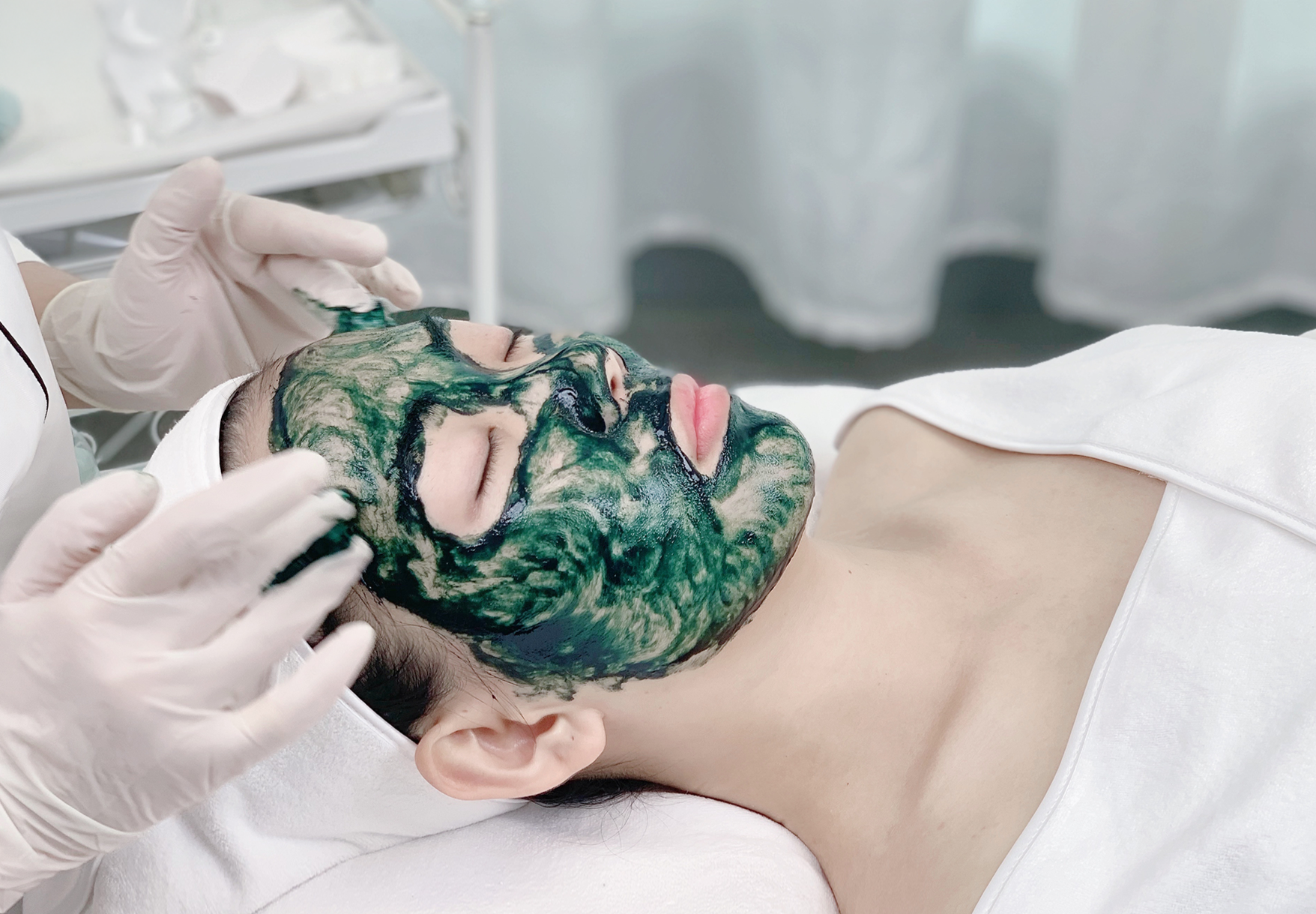
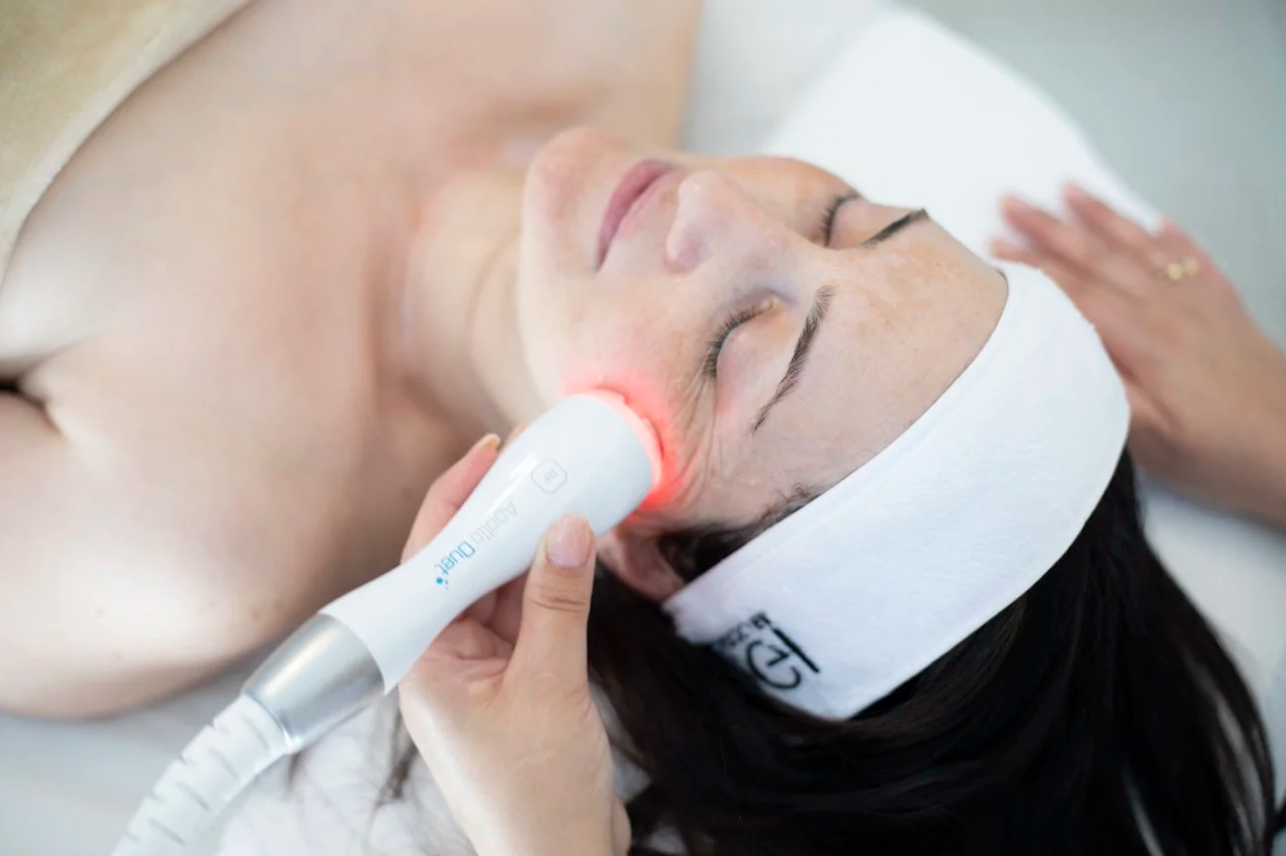

Fine lines are often the earliest visible sign that skin structure is changing. They may appear gradually around the eyes, mouth, or forehead, lingering even when the skin is well hydrated and carefully maintained. While fine lines are frequently treated as a surface issue, their origin is almost always deeper—linked to dermal support, collagen organisation, and skin recovery behaviour.
At The Brow & Beauty Boutique, fine line formation is addressed through controlled dermal stimulation as part of a broader anti-aging skin management strategy. Rather than forcing surface smoothing, this approach focuses on improving the skin’s ability to support itself structurally over time.
Clients seeking a deeper understanding of this method often begin by reviewing our Skin Management & Anti-Aging philosophy, which explains why subtle stimulation often produces more durable results than aggressive correction.
Why Fine Lines Form Even With Good Skincare
Fine lines develop when collagen fibres lose organisation, elastin recoil weakens, and the dermal matrix thins. These changes reduce the skin’s ability to resist repetitive movement and gravitational stress. While hydration can soften the appearance of lines temporarily, it cannot restore underlying structure on its own.
As skin matures, fibroblast activity slows and recovery windows lengthen. Without appropriate dermal signalling, fine lines become more visible and less responsive to surface-level care. Skin management reframes fine lines as a structural issue rather than a cosmetic flaw.
The Limits of Surface-Focused Solutions
Many clients attempt to address fine lines through exfoliation, plumping products, or increasingly intensive facials. While these can enhance brightness and texture, they rarely produce lasting change when dermal support is compromised.
Over time, repeated surface stimulation without adequate recovery can even worsen fine line visibility by thinning the epidermis or increasing inflammatory stress. Controlled dermal stimulation avoids this cycle by working beneath the surface while preserving barrier integrity.
Clients unsure whether their fine lines are structural, dehydration-related, or treatment-induced are encouraged to book an Initial Skin Management Consultation, where skin behaviour and recovery capacity are assessed before treatment planning begins.
How Controlled Dermal Stimulation Supports Fine Line Correction
Controlled dermal stimulation works by encouraging fibroblast communication, improving microcirculation, and supporting collagen organisation without breaching the epidermis. This allows the skin to rebuild density gradually rather than relying on short-term surface smoothing.
The key is pacing. Stimulation is introduced within the skin’s tolerance range and spaced to allow full repair cascades to complete. This prevents chronic inflammation and supports cumulative improvement in skin strength.
Clients following this approach often transition into a Progressive Skin Conditioning Session, where intensity and frequency are adjusted based on real-time skin response rather than fixed schedules.
Fine Lines as a Signal, Not a Failure
Fine lines often appear alongside other subtle signs such as delayed recovery, dullness, or reduced elasticity. These patterns suggest that the skin’s regenerative rhythm has slowed, not that it has stopped working.
By addressing dermal responsiveness directly, skin management often improves these secondary concerns as well. Texture becomes more consistent, tone stabilises, and fine lines soften gradually as structural support improves.
Clients seeking reassurance about safety, timelines, and conservative care often consult our frequently asked questions, which explain why restraint and sequencing are essential for fine line management.
Setting Expectations for Structural Improvement
Correcting fine lines through dermal stimulation is not immediate. Early changes may be subtle and felt before they are seen—skin may feel firmer, recover faster, or appear more resilient under movement. Visible refinement follows as collagen organisation improves.
Anti-aging skin management prioritises honest communication. Clients are informed that structural support develops over time and that pushing too hard can delay progress.
Many clients reflect on this experience through our customer stories, noting that once their skin strengthened, fine lines softened without aggressive intervention.
Those interested in the clinical philosophy behind this approach can also explore our story to understand why judgement and restraint guide every treatment plan.
The La Dermalogique Perspective: Supporting Dermal Quality
Collaboration with La Dermalogique enhances fine line management by focusing on tissue conditioning rather than surface correction. Their treatments support microcirculation, cellular signalling, and dermal vitality without compromising barrier function.
Treatments such as the La Dermalogique Signature Skin Treatment and Signature Glow-Up Contouring integrate seamlessly into fine line management programs. These non-ablative modalities encourage gradual strengthening of the dermal matrix while maintaining skin comfort.
Strengthening Skin to Soften Fine Lines
Fine lines do not require aggressive correction to improve. They require support. By enhancing dermal responsiveness, regulating inflammation, and pacing stimulation carefully, skin can regain structural resilience and soften fine line formation naturally.
Clients ready to address fine lines through controlled, biologically respectful care can book a Comprehensive Skin Management Session, where treatment planning is guided by skin behaviour—not urgency.