Anti-Aging Solutions for Skin With Declining Collagen and Elastic Response


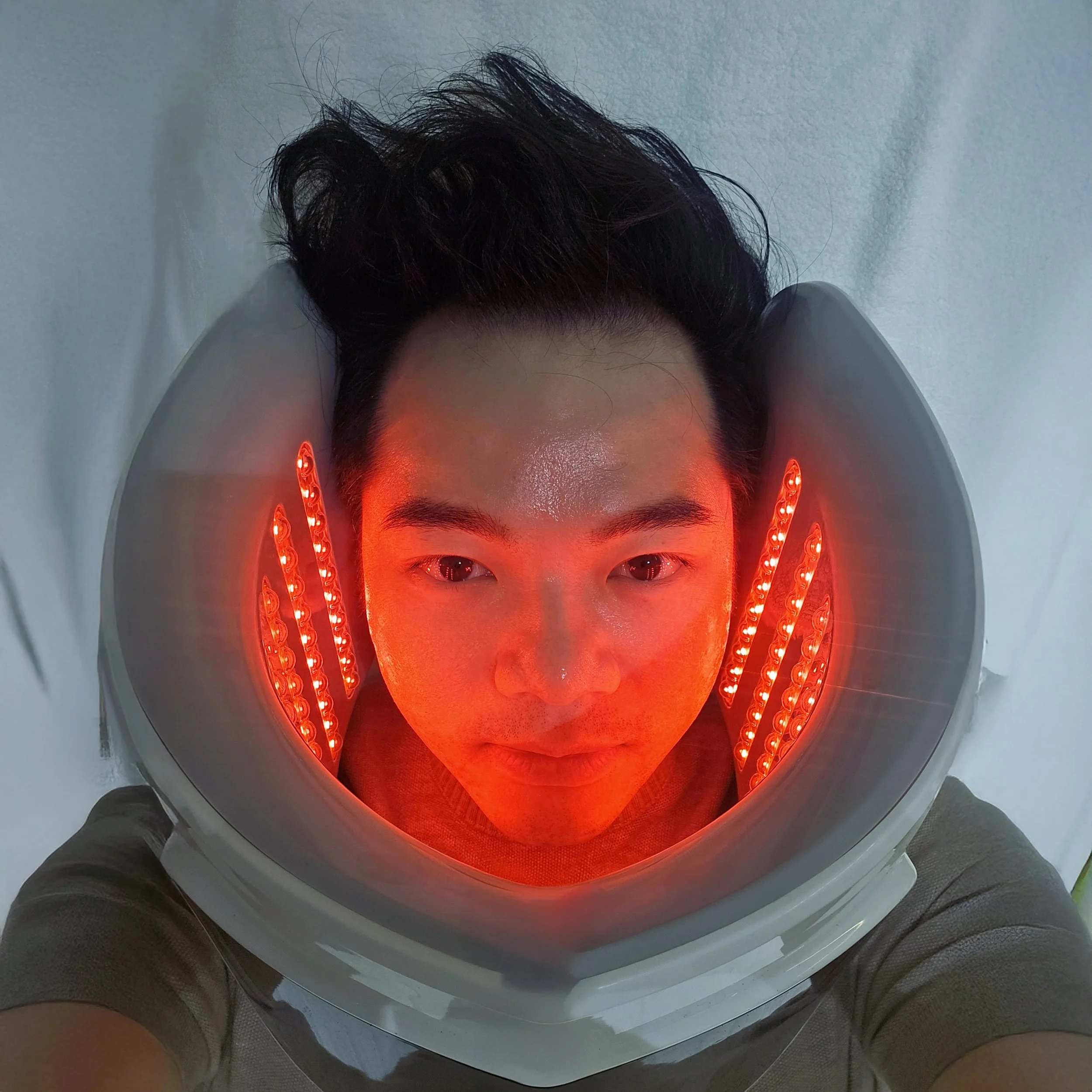

As skin ages, changes rarely occur in isolation. Many clients notice that their skin feels less firm and less responsive at the same time—lacking both density and recoil. This combination often reflects a dual process: declining collagen support alongside a reduced elastic response. Together, these changes alter how skin holds structure, moves with expression, and recovers from daily mechanical stress.
At The Brow & Beauty Boutique, this pattern is addressed through structured skin management rather than aggressive lifting or tightening. The goal is to support both collagen integrity and elastic function in a balanced, sustainable way—without increasing inflammatory load or compromising skin comfort.
Clients can explore this integrated approach through our Skin Management & Anti-Aging framework, which focuses on long-term structural health rather than short-term visual strain.
Understanding the Relationship Between Collagen and Elastic Response
Collagen provides strength and density, while elastin allows skin to stretch and return to shape. As aging progresses, collagen production slows and existing fibres degrade. At the same time, elastin fibres fragment and lose organisation. The result is skin that feels softer, less resilient, and slower to rebound after movement.
Clients often describe this as skin that appears “tired,” settles more quickly, or lacks the subtle firmness it once had—particularly in areas like the cheeks, jawline, and lower face. Addressing only one component rarely produces stable results, which is why a combined strategy is essential.
Why Isolated Tightening Rarely Works Long Term
Many anti-aging treatments focus on tightening skin through intense stimulation. While this may create temporary firmness, it often overlooks the underlying decline in structural support and elastic function. Repeated high-intensity treatments can increase inflammatory stress, accelerating fatigue rather than restoring resilience.
Skin management takes a different approach. Instead of forcing contraction, it supports controlled regenerative signalling, fibroblast activity, and tissue conditioning—allowing collagen and elastic response to improve gradually and in balance.
Clients concerned about combined firmness and elasticity loss are encouraged to begin with an Initial Skin Management Consultation, where dermal condition, recovery capacity, and realistic timelines are assessed before treatment planning.
Supporting Structure and Responsiveness Through Sequencing
Rebuilding collagen support and preserving elastic response is a cumulative process. Skin management focuses on sequencing treatments to encourage gradual strengthening of the dermal matrix while protecting existing elastin fibres from excessive stress.
This approach allows skin to feel firmer and more responsive over time—improving how it holds shape and reacts to movement without appearing rigid or over-treated.
Clients seeking steady improvement without discomfort often benefit from a Progressive Skin Conditioning Session, designed to support both structural density and elastic function while respecting recovery cycles.
Recognising Early Signs of Combined Decline
Early changes in collagen and elastic response may present subtly: makeup settling differently, contours appearing softer, or skin feeling less resilient during cleansing. These signs often appear before deep wrinkles or pronounced sagging, making early intervention particularly effective.
Addressing this stage allows skin management to preserve remaining structural reserves, slowing progression and reducing the need for more aggressive correction later.
Clients unsure whether their concerns reflect combined structural decline or surface aging can consult our frequently asked questions, which explain how different aging mechanisms influence skin behaviour.
Long-Term Outcomes of Integrated Skin Management
When both collagen support and elastic response are addressed together, clients often notice improved firmness, smoother movement, and skin that feels stronger and more responsive. Importantly, these improvements develop gradually, maintaining natural expression and comfort.
Many clients share these experiences through our customer stories, where balanced, long-term improvement is a consistent theme. The philosophy behind this conservative approach is also reflected in our story, which prioritises judgement and sustainability over trends.
The La Dermalogique Perspective: Supporting Structure Without Strain
Addressing combined collagen and elastic decline is further supported through collaboration with our sister brand, La Dermalogique. Their treatments focus on advanced conditioning, microcirculatory support, and regenerative signalling—key factors in maintaining dermal strength and responsiveness without excessive stimulation.
The La Dermalogique Signature Skin Treatment is particularly suitable for skin experiencing early structural decline, as it supports regeneration while respecting recovery thresholds. For clients seeking subtle contour refinement without compromising elasticity, Signature Glow-Up Contouring provides non-ablative support aligned with long-term skin health.
These treatments integrate seamlessly with skin management protocols focused on preserving both firmness and flexibility.
Restoring Strength and Responsiveness Through Informed Care
Skin that has lost both density and elastic response does not require forceful correction. With proper assessment, conservative sequencing, and respect for recovery cycles, structural integrity can be supported gradually—allowing skin to feel firmer, more resilient, and naturally responsive again.
Clients ready to address combined collagen and elastic decline can book a Comprehensive Skin Management Session, where treatment planning is guided by skin behaviour rather than urgency.