Anti-Aging Skin Management Focused on Dermal Density Preservation


Dermal density is one of the most overlooked factors in visible skin aging. While surface texture, pigmentation, and hydration often receive the most attention, it is the gradual thinning and weakening of the dermal matrix that ultimately drives laxity, fine lines, and loss of structural support. Once dermal density declines significantly, surface-focused treatments struggle to produce lasting change.
At The Brow & Beauty Boutique, preserving dermal density is a central goal of anti-aging skin management. Rather than attempting to rebuild structure after significant loss, this approach focuses on maintaining dermal integrity early and supporting it consistently over time.
Clients interested in understanding this preventative strategy often begin by reviewing our Skin Management & Anti-Aging philosophy, which explains why density preservation is more effective than late-stage correction.
What Dermal Density Really Represents
Dermal density refers to the concentration and organisation of collagen fibres, elastin networks, and extracellular matrix components within the dermis. Together, these structures provide tensile strength, recoil, and resistance to deformation. As skin ages, fibroblast activity slows and collagen synthesis declines, leading to gradual thinning of this supportive layer.
This loss does not happen suddenly. It accumulates over years, influenced by intrinsic aging, environmental exposure, inflammation, and repeated treatment stress. When dermal density decreases, the skin becomes less resilient, more prone to creasing, and slower to recover.
Skin management reframes anti-aging care around protecting what remains rather than chasing surface tightening after structural loss has occurred.
Why Density Preservation Requires a Different Strategy
Many anti-aging treatments focus on creating visible change quickly. While this can temporarily improve appearance, repeated aggressive stimulation may accelerate dermal fatigue over time. Preserving density requires restraint, pacing, and an understanding of the skin’s regenerative limits.
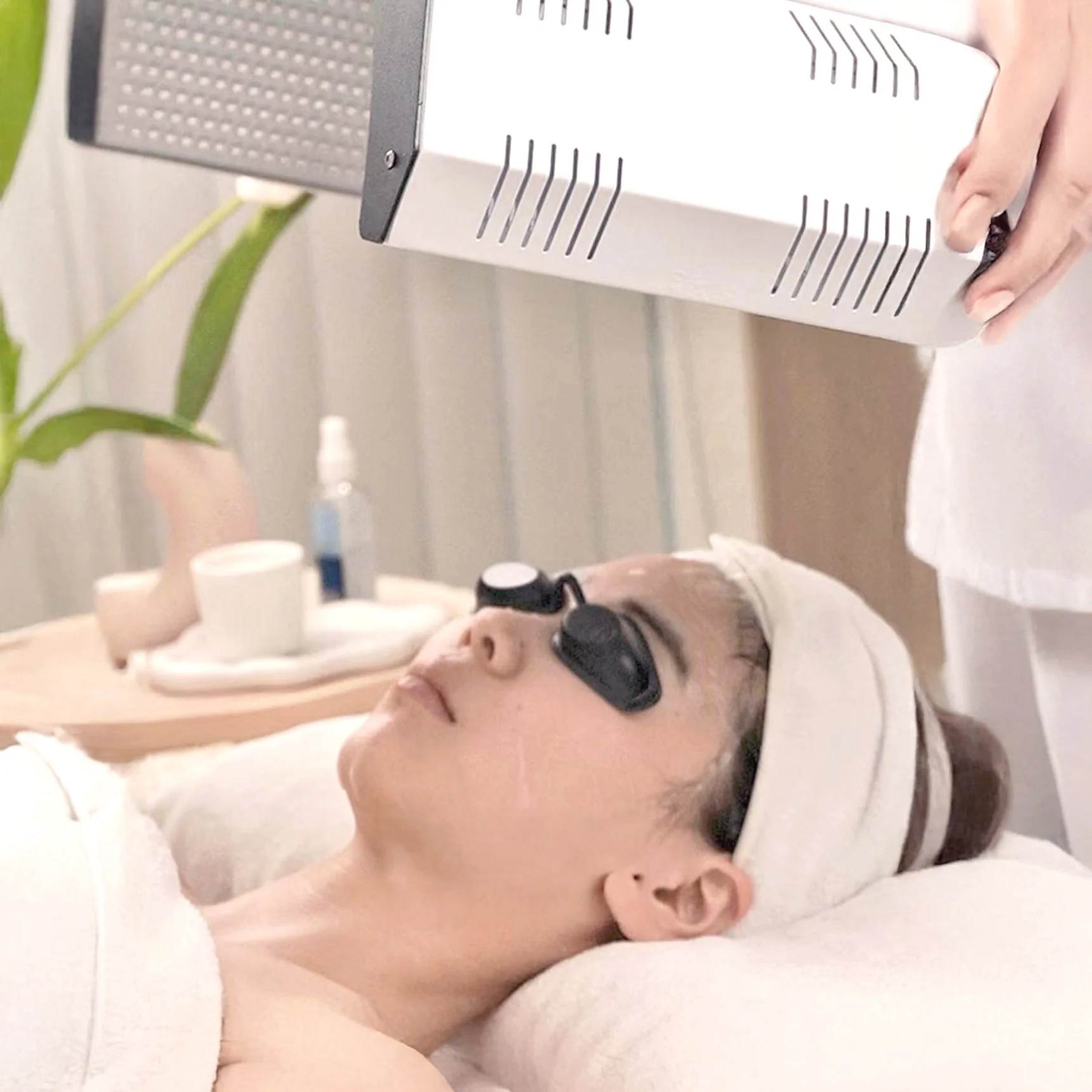
Anti-aging skin management prioritises controlled dermal stimulation that encourages fibroblast signalling without triggering prolonged inflammation. This allows collagen organisation to be supported gradually, helping the dermis maintain thickness and functional strength.
Clients unsure whether their skin is in a preservation or restoration phase are encouraged to book an Initial Skin Management Consultation, where dermal behaviour, recovery capacity, and treatment history are assessed before planning begins.
Sequencing Treatments to Protect Dermal Integrity
One of the most important aspects of density preservation is sequencing. When treatments are layered too closely or without adequate recovery, the dermis may not have time to reorganise collagen effectively. This can lead to diminishing returns or increased fragility over time.
Skin management spaces stimulation intentionally, allowing repair cascades to complete and dermal structure to stabilise between sessions. This pacing supports cumulative improvement while reducing the risk of chronic inflammation that undermines density.
Clients following a structured preservation plan often transition into a Progressive Skin Conditioning Session, where intensity and intervals are adjusted based on observed skin response rather than routine schedules.
Secondary Signs of Declining Dermal Density
Early dermal density loss often appears subtly. Clients may notice that skin looks thinner, creases more easily, or recovers less predictably after treatments. Fine lines may linger longer, and firmness may fluctuate rather than improve steadily.
By focusing on density preservation early, skin management often stabilises these patterns. Skin becomes more resilient, results last longer, and the need for aggressive intervention is reduced.
Clients seeking clarity on timelines, safety, and conservative planning often consult our frequently asked questions, which explain how dermal support strategies differ from surface-focused care.
Setting Expectations for Density-Focused Care
Preserving dermal density is not dramatic. Improvements are subtle and cumulative. Early indicators include improved recovery, better firmness under movement, and more consistent treatment outcomes rather than sudden visible lifting.
Anti-aging skin management prioritises honest communication. Clients are informed that density preservation is a long-term investment and that restraint protects future results. This transparency helps prevent over-treatment and structural fatigue.
Many clients reflect on this approach through our customer stories, noting that once dermal strength stabilised, their skin aged more gracefully and predictably.
Those interested in the philosophy behind this strategy can also explore our story to understand why clinical judgement underpins every decision.
The La Dermalogique Perspective: Supporting Dermal Strength Gently
Collaboration with La Dermalogique strengthens dermal density preservation by focusing on microcirculation, cellular communication, and tissue conditioning without compromising the epidermis. Their treatments are designed to support dermal vitality while respecting recovery cycles.
Treatments such as the La Dermalogique Signature Skin Treatment and Signature Glow-Up Contouring integrate seamlessly into density-focused programs. These non-ablative modalities encourage collagen support without inducing unnecessary trauma.
Preserving Structure to Protect the Future of the Skin
Dermal density once lost is difficult to fully restore. Preserving it early through controlled stimulation, adequate recovery, and informed sequencing is one of the most effective anti-aging strategies available.
Clients ready to prioritise structural preservation as part of their long-term care can book a Comprehensive Skin Management Session, where treatment planning is guided by dermal behaviour—not trends or urgency.