
When Lip Colour Correction Requires Pigment Reduction First
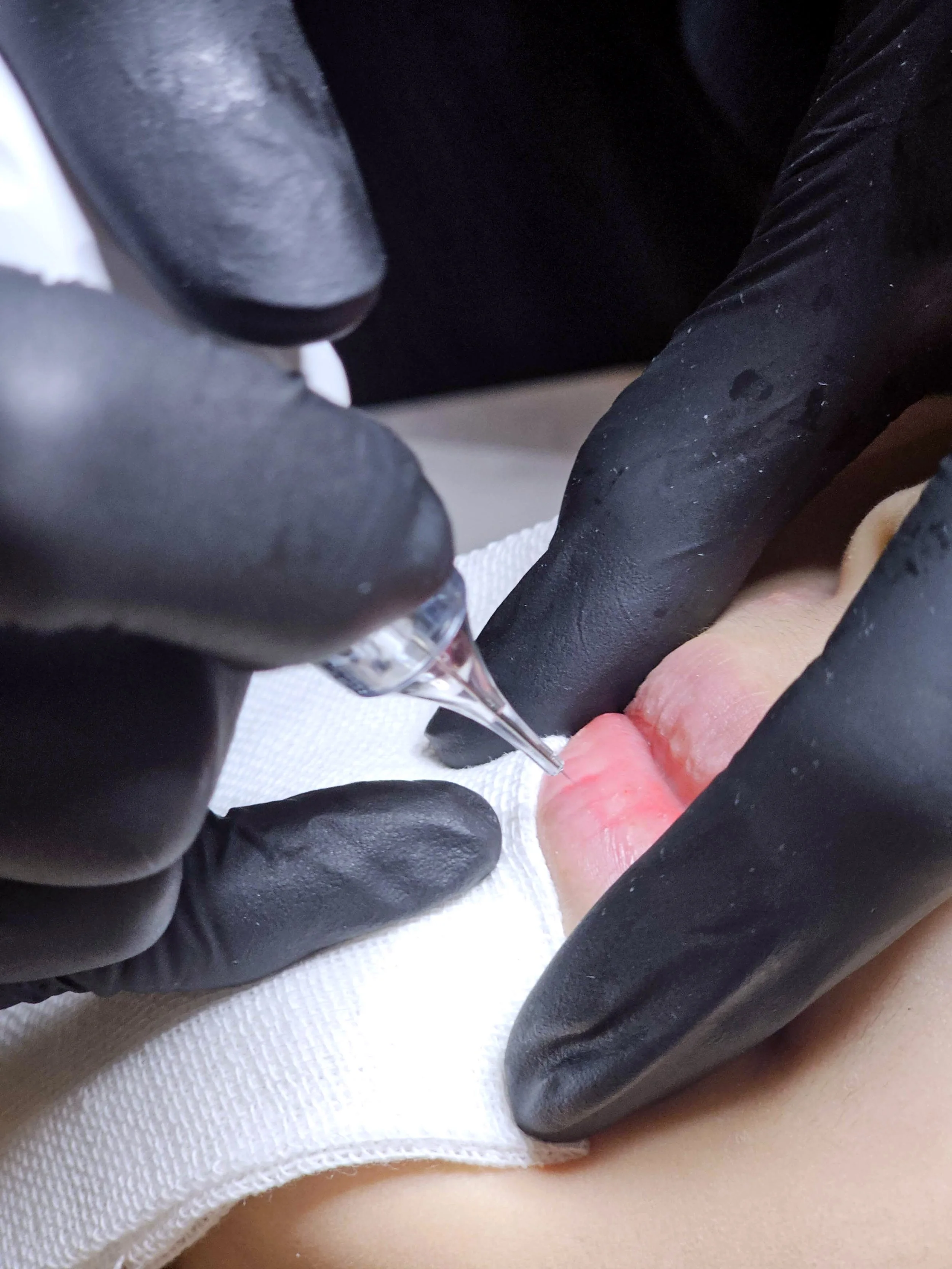


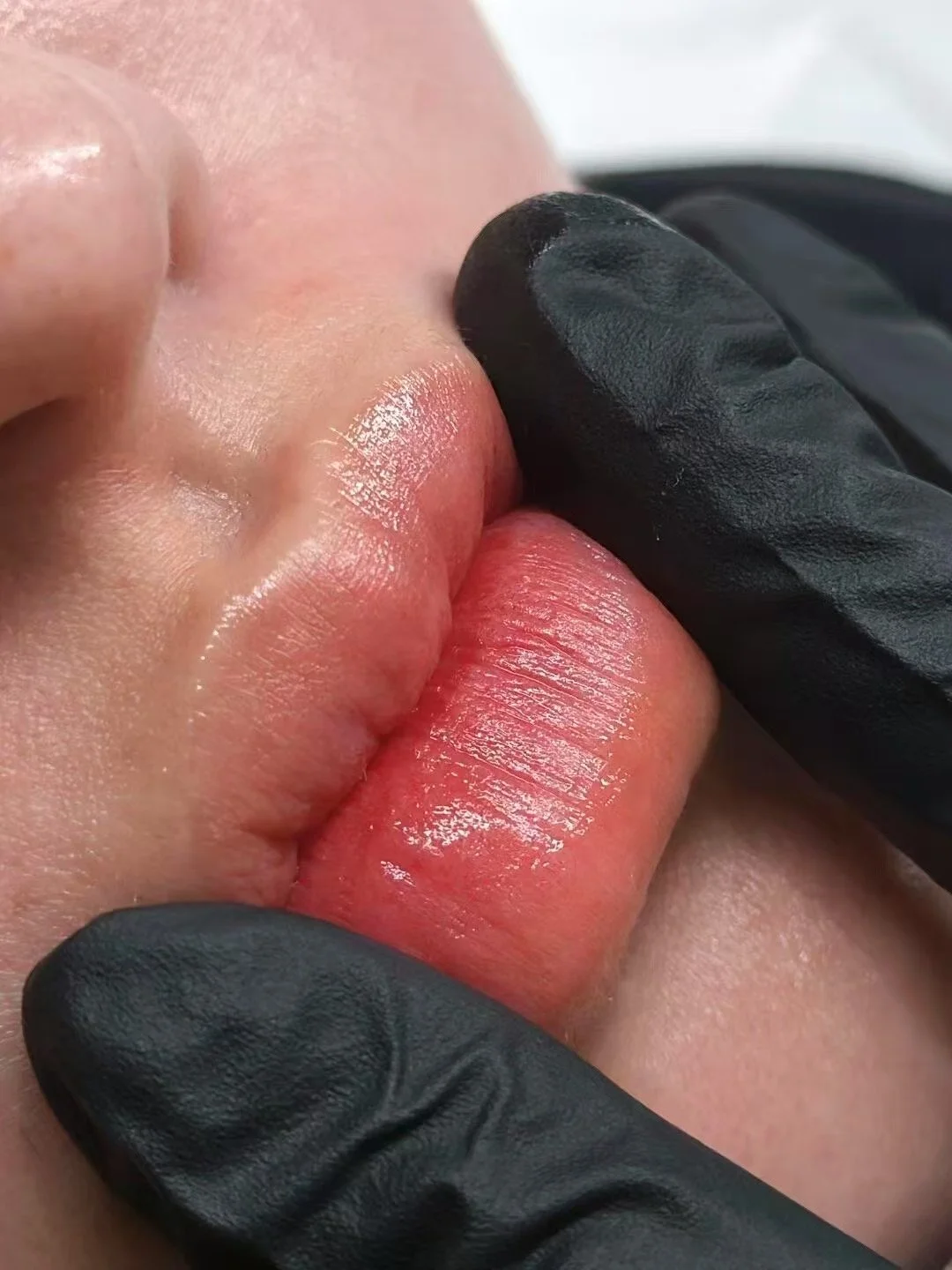
Lip colour correction is often misunderstood as a purely chromatic exercise. When lips appear grey, purple, uneven, or muted, the assumption is that the wrong colour was chosen and that a warmer or stronger tone will fix the issue. In reality, many correction attempts fail not because of colour choice, but because pigment reduction was skipped when it was clinically necessary.
At The Brow & Beauty Boutique, determining when pigment reduction must come first is one of the most important judgement calls in successful lip correction. This decision directly affects predictability, longevity, and tissue health.
Correction Is Not Always the First Step
Not every lip requires pigment reduction before correction. However, some lips simply cannot respond predictably to corrective colour until underlying pigment interference has been addressed.
Pigment reduction becomes necessary when existing pigment:
Distorts hue perception
Sits at inconsistent depths
Accumulates beyond tissue tolerance
Interferes with light reflection in the vermilion zone
In these cases, applying corrective colour without first reducing pigment load does not correct the issue. It compounds it.
Key Indicators That Pigment Reduction Is Required
There are clear patterns that suggest lip colour correction should not begin with colour alone. These indicators are structural, not cosmetic.
Persistent Grey or Purple Undertones
When lips repeatedly heal cool-toned despite warm pigment selection, residual or oxidised pigment is often influencing colour output at a deeper level.
Uneven Colour That Resists Touch-Ups
If repeated touch-ups fail to balance colour across the lips, pigment density or depth inconsistency is likely present.
Colour That Changes Months After Healing
Delayed shifts in tone often indicate cumulative pigment trauma or layered pigment interaction that cannot be stabilised with colour alone.
History of Multiple Corrections
Lips that have undergone repeated neutralisation or correction sessions frequently carry excessive pigment load, reducing predictability.
In these scenarios, pigment reduction is not an optional enhancement. It is a prerequisite.
Why Corrective Colour Alone Has Limits
Corrective colour techniques assume that the tissue environment is stable. When that assumption is false, colour theory loses effectiveness.
Without pigment reduction:
New colour optically mixes with residual pigment
Undertones distort unpredictably
Healing outcomes vary across lip zones
Each correction session becomes less reliable
This is why some clients experience diminishing returns with every attempt. The lips are no longer responding to pigment normally.
Pigment Reduction as Structural Preparation
Lip colour removal is often misunderstood as undoing previous work. In correction-led practice, its function is structural preparation, not erasure.
Strategic pigment reduction allows for:
Lowering total pigment load
Reducing deep or cool-toned residual pigment
Improving light transmission through the tissue
Restoring uniform healing behaviour
Importantly, pigment reduction does not always mean full clearance. Many cases require partial or selective reduction, targeting unstable zones while preserving healthy tissue response.
This foundational step is explored in detail through our lip colour removal service.
Why Colour Correction Works After Reduction
Once pigment interference has been reduced, corrective colour behaves very differently. Pigment settles more evenly, undertones remain stable, and long-term outcomes improve significantly.
Clients often notice that after reduction:
Colour appears clearer rather than muddy
Healing is more symmetrical across both lips
Cool tones are less likely to re-emerge
Fewer corrective sessions are required
This improvement is not due to a change in colour choice. It is due to placing colour into a stabilised environment.
The Role of Lip Embroidery After Reduction
After pigment reduction and stabilisation, lip embroidery becomes the appropriate refinement step. At this stage, embroidery enhances tone, softness, and shape without compensating for instability beneath the surface.
This sequencing is critical. Embroidery performed before pigment reduction often inherits the same unpredictability as the underlying tissue. Embroidery performed after reduction behaves more predictably and ages more gracefully.
Clients ready for refinement may explore:
once the foundation is properly prepared.
Assessment Determines the Correct Pathway
Not all lips require pigment reduction. Determining when it is necessary depends on experienced assessment rather than assumption.
At The Brow & Beauty Boutique, consultations evaluate:
Total pigment load and distribution
Pigment depth variation
Residual pigment influence
Healing history and tissue tolerance
Clients are guided through the reasoning behind each recommendation so decisions feel informed, not reactive.
For insight into how similar cases have been resolved through proper sequencing, our customer stories offer real-world correction journeys.
Stability Before Refinement
Lip colour correction does not fail because colour theory is flawed. It fails when structural issues are ignored. When pigment reduction is required and skipped, correction becomes unpredictable by definition.
If your lip colour continues to shift, dull, or resist correction, the next step is not another layer of pigment. It is pigment reduction first, refinement second.
You may begin the appropriate stage of your correction journey by scheduling directly:
To learn more about our correction-led philosophy and services, visit The Brow & Beauty Boutique.