
Preventing Post-Inflammatory Response in Sensitive Aging Skin

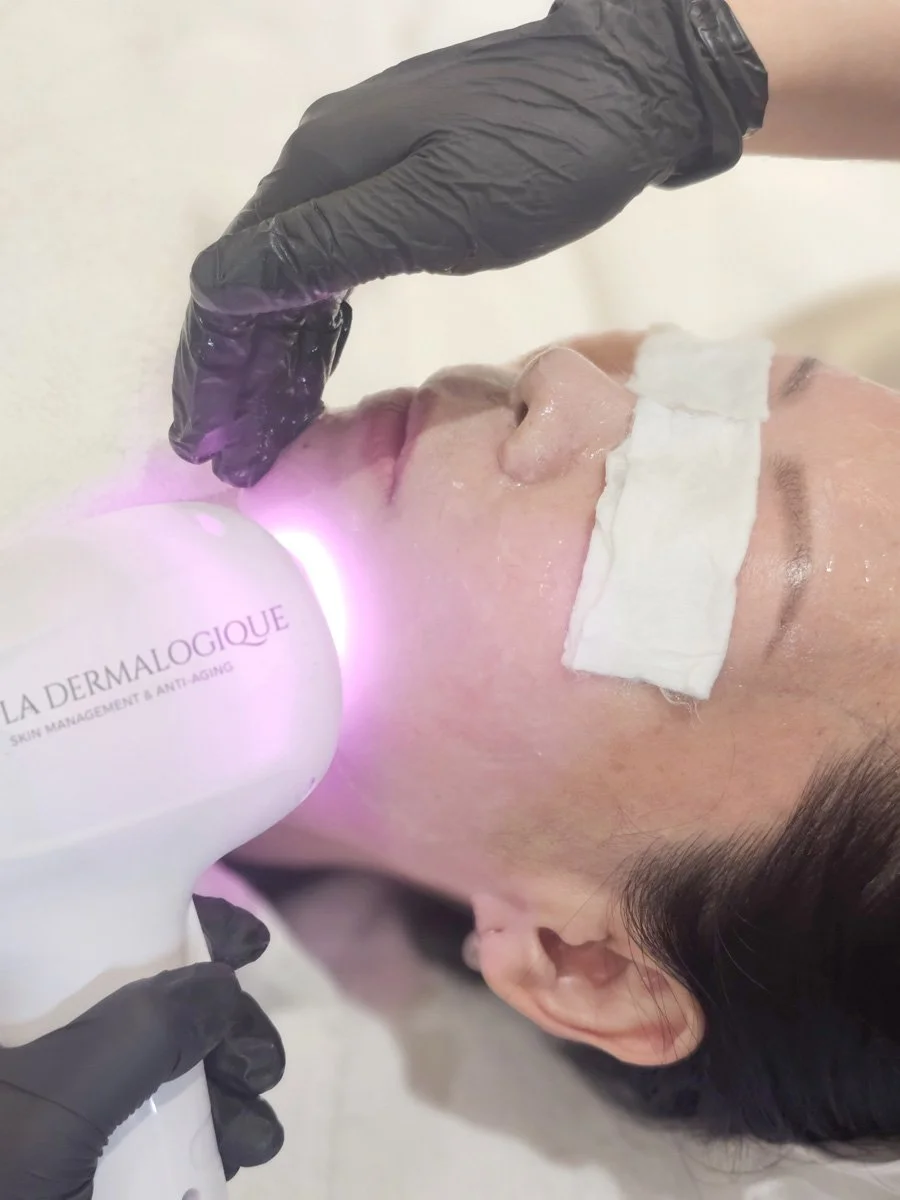


Sensitive skin that is also aging presents a unique challenge. While the skin may show visible signs of maturity such as thinning, dullness, or reduced elasticity, it is often simultaneously reactive, prone to redness, and slow to recover after treatments. In these cases, post-inflammatory response becomes one of the biggest barriers to safe, effective anti-aging care.
At The Brow & Beauty Boutique, preventing post-inflammatory response is a core principle of skin management. Rather than stimulating the skin aggressively and managing inflammation afterward, treatment planning focuses on minimising inflammatory triggers from the outset while still supporting long-term renewal.
Clients experiencing frequent redness, discomfort, or delayed healing often begin by reviewing our Skin Management & Anti-Aging approach, which explains how sensitive aging skin requires a fundamentally different strategy from resilient skin types.
Why Aging Skin Becomes More Inflammation-Prone
As skin matures, several protective mechanisms weaken. Barrier lipids become less organised, microcirculation slows, and inflammatory mediators remain active for longer periods after stimulation. This means that even mild treatments can trigger disproportionate redness, heat, or irritation.
In sensitive aging skin, post-inflammatory response is not simply an inconvenience. Repeated inflammation can interfere with collagen synthesis, disrupt pigmentation stability, and prolong recovery cycles. Over time, this leads to inconsistent results and increased fragility.
Skin management addresses this by prioritising barrier preservation, controlled stimulation, and adequate recovery windows rather than chasing visible intensity.
Why Suppressing Symptoms Is Not Enough
Many clients attempt to manage sensitivity by relying on soothing products or anti-redness treatments alone. While these can provide temporary relief, they do not address the underlying drivers of inflammation. When treatments continue to provoke inflammatory response, symptoms return repeatedly.
Preventing post-inflammatory response requires understanding why the skin is reacting. Factors such as cumulative treatment load, impaired hydration retention, and excessive stimulation depth all contribute. Without reassessment, care becomes reactive rather than preventative.
Clients who want clarity on their skin’s inflammatory thresholds are encouraged to book an Initial Skin Management Consultation, where sensitivity patterns and recovery behaviour are evaluated before treatment selection.
Controlled Stimulation as a Protective Strategy
Contrary to popular belief, sensitive aging skin does not necessarily require less care. It requires better-paced care. Non-ablative, controlled stimulation supports dermal activity without breaching the epidermis or triggering inflammatory cascades.
By adjusting intensity, frequency, and sequencing, skin management allows renewal signals to occur within the skin’s tolerance range. This reduces the likelihood of prolonged redness, pigment disruption, or barrier breakdown.
Clients following this approach often progress into a Progressive Skin Conditioning Session, where stimulation is calibrated carefully and adjusted based on real-time skin response.
Secondary Concerns Linked to Chronic Inflammation
When post-inflammatory response is not controlled, secondary concerns often develop. These may include uneven pigmentation, persistent flushing, rough texture, or recurring sensitivity after otherwise routine treatments. These signs reflect an inflammatory environment rather than isolated skin issues.
Skin management integrates these concerns into a broader strategy aimed at restoring equilibrium. As inflammation becomes better regulated, pigmentation stability improves, texture softens, and the skin becomes more predictable in its response.
Clients seeking reassurance about safety, timelines, and conservative care often find clarity in our frequently asked questions, which explain how sensitive skin is managed without escalation.
Setting Expectations for Sensitive Skin Progress
Preventing inflammation means accepting a slower, more deliberate pace. Improvements may be subtle at first and often felt before they are seen. Reduced heat, less reactivity, and improved comfort are early indicators that inflammatory control is improving.
Anti-aging skin management sets expectations transparently. Clients are informed when the priority is stabilisation rather than visible transformation. This honesty helps avoid over-treatment and builds confidence in the process.
Many clients describe this journey through our customer stories, noting that once inflammation is controlled, their skin becomes more resilient and responsive over time.
Those interested in the clinical values behind this approach can also explore our story to understand why restraint and judgement are central to sensitive skin care.
The La Dermalogique Perspective: Supporting Calm Regeneration
Collaboration with La Dermalogique enhances inflammatory control in sensitive aging skin. Their treatments are designed to support microcirculation, cellular communication, and dermal renewal while maintaining barrier integrity.
Treatments such as the La Dermalogique Signature Skin Treatment and Signature Glow-Up Contouring are particularly suitable for skin prone to post-inflammatory response. These non-ablative modalities encourage regeneration without provoking unnecessary inflammation.
Protecting Skin While Supporting Renewal
Sensitive aging skin does not need to be pushed to improve. It needs to be protected while being guided. Preventing post-inflammatory response allows the skin to heal, adapt, and strengthen rather than remain in a reactive cycle.
Clients ready to prioritise calm, controlled anti-aging care can book a Comprehensive Skin Management Session, where treatment planning is guided by skin tolerance, not intensity.