When Eyeliner Looks Uneven After Healing: Solving Post-Inflammatory Visual Distortion
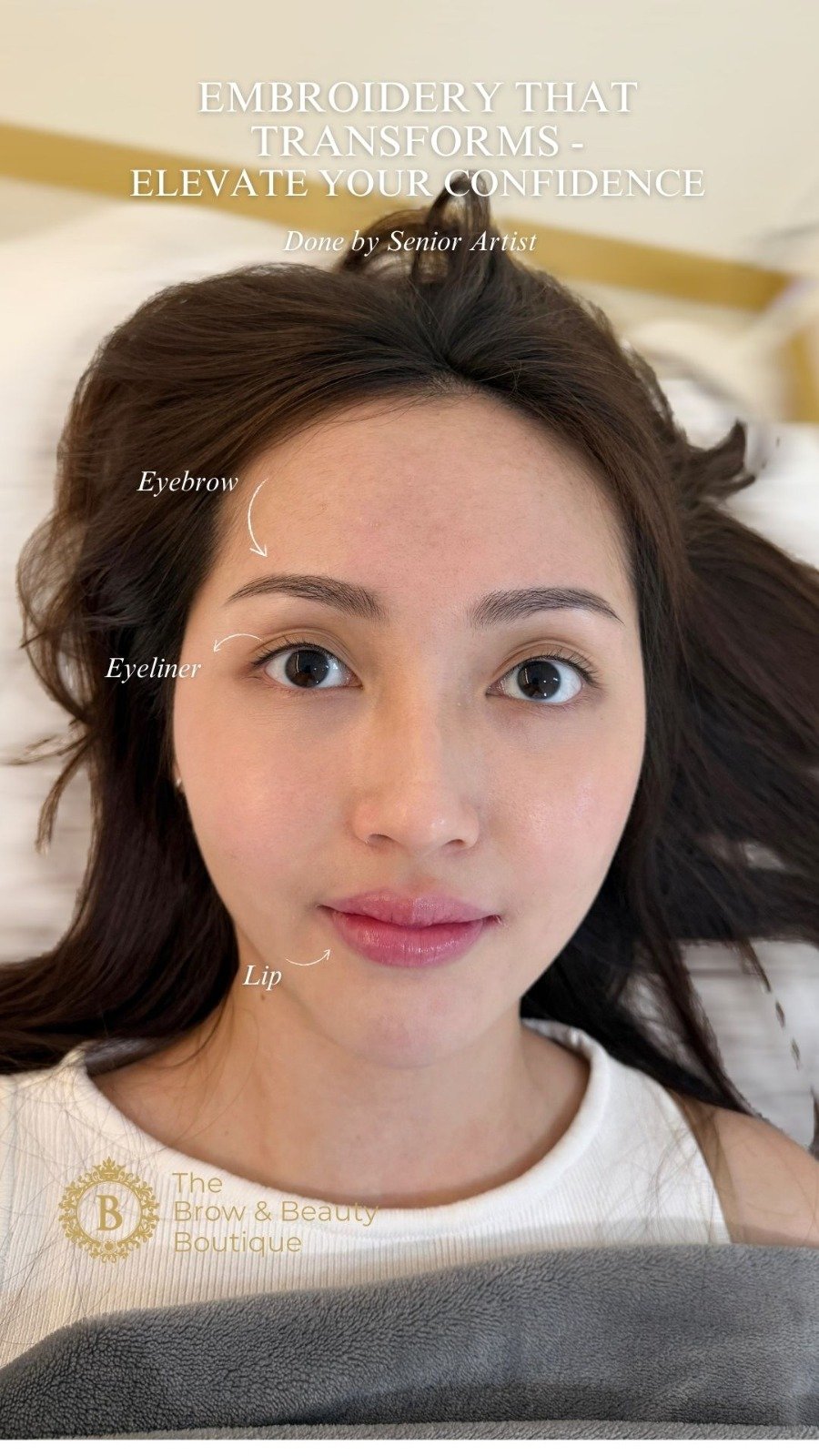

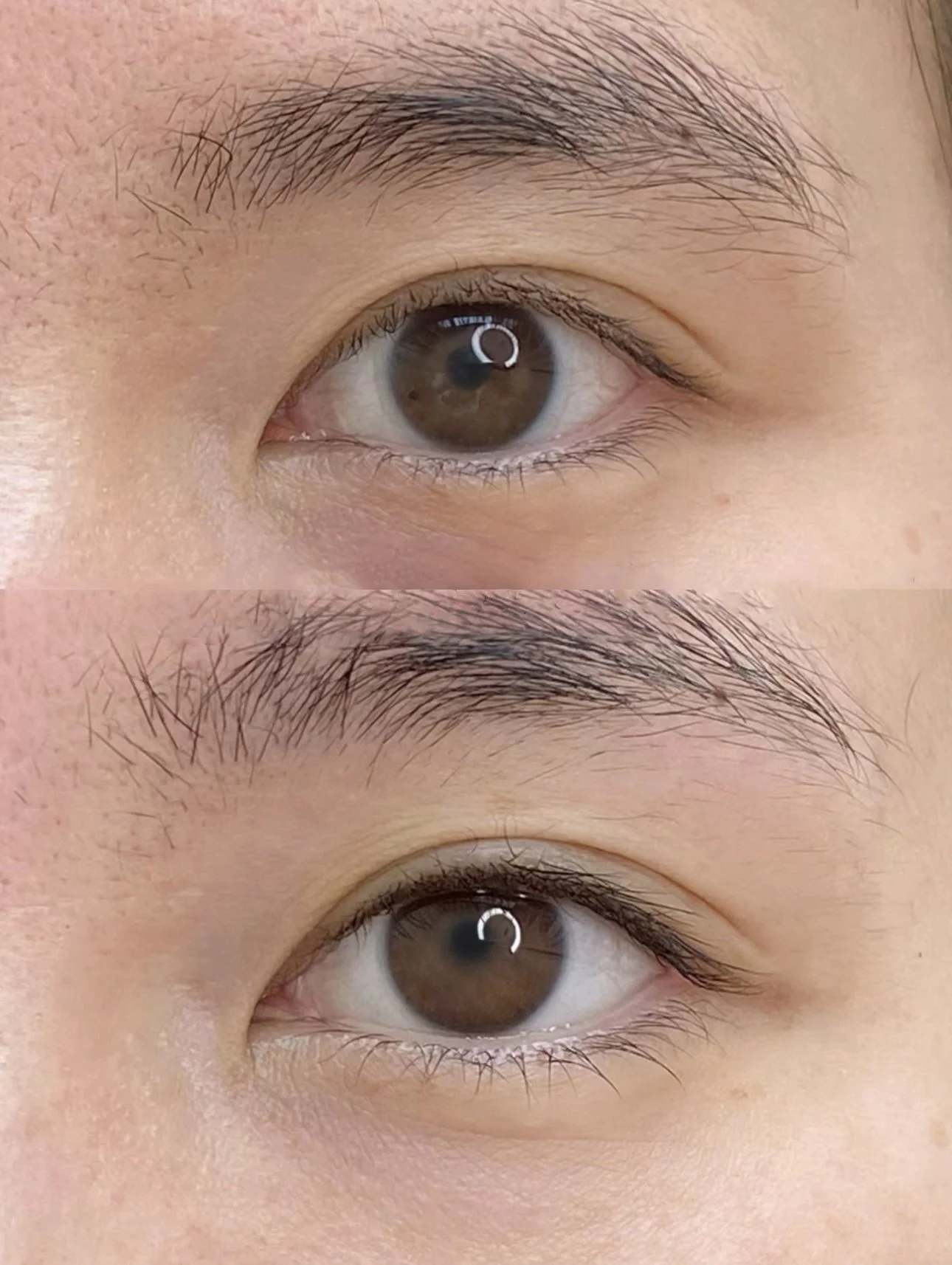
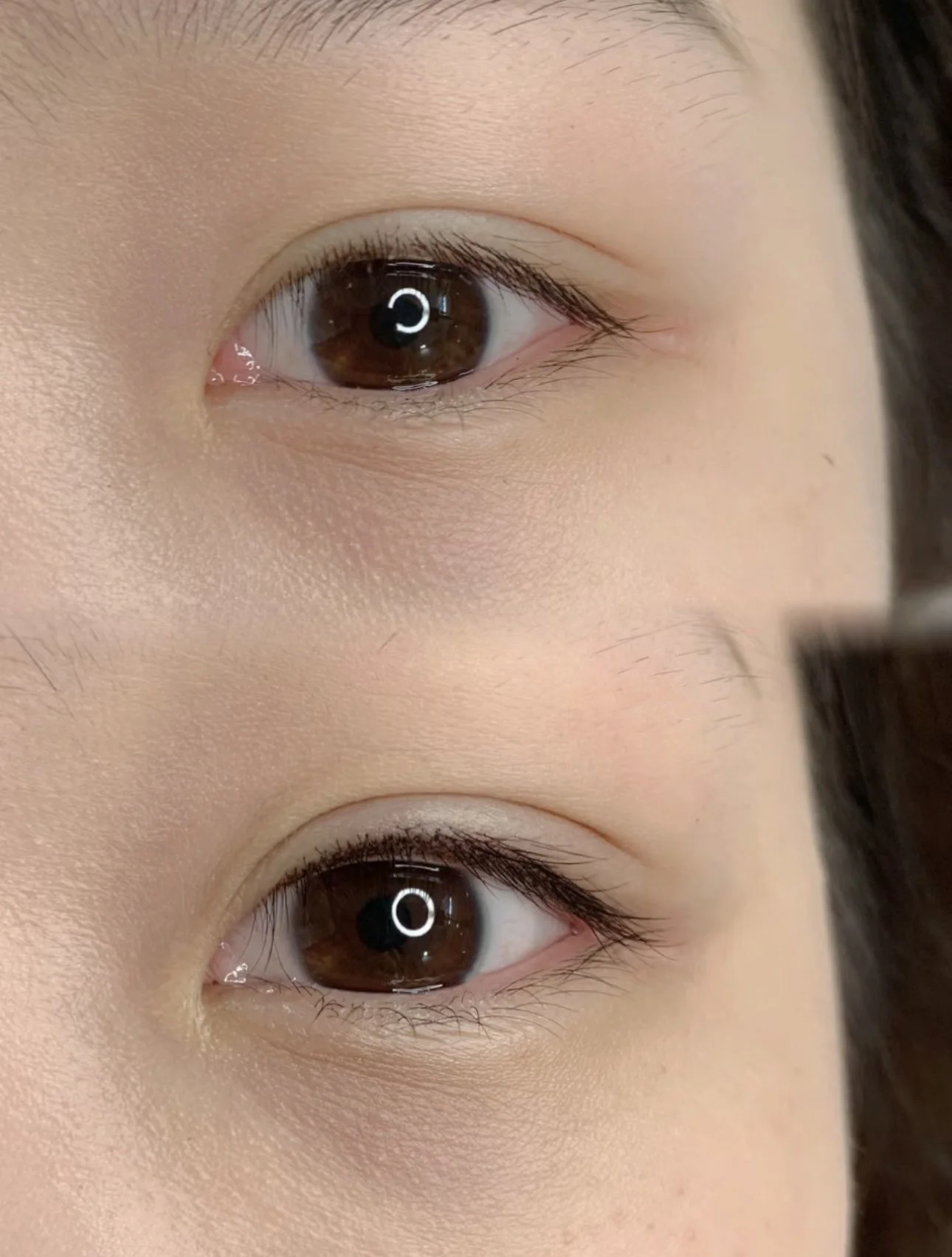
Uneven eyeliner after healing is one of the most confusing outcomes for clients who have undergone periocular permanent makeup. Immediately after treatment, the eyeliner may appear symmetrical and well-defined. Weeks later, once swelling has resolved and the skin has settled, one side may look darker, thicker, or more diffuse than the other. This shift often causes concern, but in many cases, the issue is not poor workmanship. It is the result of post-inflammatory visual distortion.
At The Brow & Beauty Boutique, uneven healed eyeliner is evaluated as a biological response rather than a cosmetic failure. Understanding how inflammation alters pigment perception is essential to correcting it safely and predictably.
What Is Post-Inflammatory Visual Distortion?
Post-inflammatory visual distortion occurs when healed eyeliner appears uneven due to differences in how each eyelid responded to the initial procedure. During the healing phase, inflammation, fluid retention, and tissue compression temporarily affect pigment distribution and light reflection. Once inflammation resolves, these changes can reveal asymmetries that were not visible earlier.
Several factors contribute to this phenomenon:
Uneven swelling during the healing phase
Differences in eyelid thickness or muscle activity
Variable pigment retention between the two sides
Minor depth variations becoming visible after inflammation subsides
Importantly, this type of unevenness is not always true pigment imbalance. Often, the pigment is present in similar amounts, but the way light interacts with the healed tissue makes one side appear heavier or darker.
Why Immediate Corrections Often Make Things Worse
When unevenness appears after healing, the instinctive response is to “fix” the lighter side or sharpen the darker one. In the periocular region, this approach is risky. Adding pigment too soon increases density overload and can push pigment deeper into already reactive tissue, worsening diffusion rather than improving symmetry.
Medical-led correction avoids reacting prematurely. Instead of correcting appearance immediately, the focus is on determining whether the issue is pigment-based or inflammation-related. This distinction is critical. Treating post-inflammatory distortion as a pigment problem can create long-term instability.
This careful distinction is explained further in the clinic’s approach to professional eyeliner colour correction in Singapore, where assessment and timing are prioritised over cosmetic urgency.
How Medical-Led Correction Addresses Uneven Healing
Correcting post-inflammatory visual distortion begins with observation and structured evaluation. Specialists assess whether unevenness is caused by residual inflammation, pigment depth variation, or early diffusion artefacts.
If correction is required, it is performed incrementally. Excess density may be reduced on the darker side, or the tissue may be allowed additional time to stabilise before any intervention. This tissue-preserving, staged approach minimises further inflammation and allows the eyelid to settle naturally.
By working with the body’s healing process rather than against it, visual balance can often be restored without aggressive measures.
Allowing Healing to Complete Before Judgement
One of the most important steps in managing uneven healed eyeliner is timing. Acting too early can compromise results, while waiting for full stabilisation often reveals natural improvement.
A professional consultation allows your specialist to determine whether the unevenness is still within the normal healing window or whether controlled correction is appropriate.
Book a professional eyeliner correction consultation to receive an assessment based on tissue response, pigment behaviour, and periocular safety rather than visual anxiety.
When Unevenness Is Truly Pigment-Based
In some cases, post-healing asymmetry is due to genuine pigment imbalance. This may occur when one eyelid retains pigment more readily than the other or when subtle depth differences become apparent after swelling resolves.
Even in these situations, correction is conservative. Rather than adding pigment, medical-led correction typically focuses on controlled pigment reduction to restore balance. This avoids increasing saturation and reduces the risk of future diffusion.
Each adjustment is followed by a recovery period, allowing the specialist to reassess before proceeding further. This stepwise method is what transforms uneven outcomes into predictable ones.
Re-Defining Eyeliner After Stabilisation
Once post-inflammatory distortion has resolved and pigment behaviour is stable, some clients choose to refine their eyeliner. This step is optional and always sequenced after correction, never during unresolved healing.
Modern eyeliner embroidery techniques prioritise superficial dermal placement, controlled saturation, and anatomical symmetry. The goal is subtle refinement rather than bold correction.
Clients considering this stage may explore eyeliner embroidery services in Singapore, including softer options such as baby eyeliner for gentle lash-line enhancement or classic eyeliner for balanced definition.
Supporting Eyelid Recovery During the Healing Window
Post-inflammatory distortion is influenced not only by pigment but also by how well the periocular tissue recovers. Supporting circulation, hydration, and barrier integrity helps reduce visual asymmetry as healing progresses.
Many clients incorporate supportive care such as the La Dermalogique Eye Spa – Iris Clarity treatment to promote periocular calmness and clarity during recovery. This type of care complements correction work without interfering with pigment stability.
Patience Is Part of Precision
When eyeliner looks uneven after healing, the solution is rarely immediate correction. In many cases, it is proper assessment, timing, and tissue-preserving intervention that restore balance.
By understanding post-inflammatory visual distortion and addressing it with a medical-led process, uneven eyeliner can be corrected without creating new problems.
Schedule your eyeliner correction consultation to begin with clarity, restraint & long-term eye health.