
Correcting Mechanical Skin Fatigue That Presents as Sagging and Texture Loss


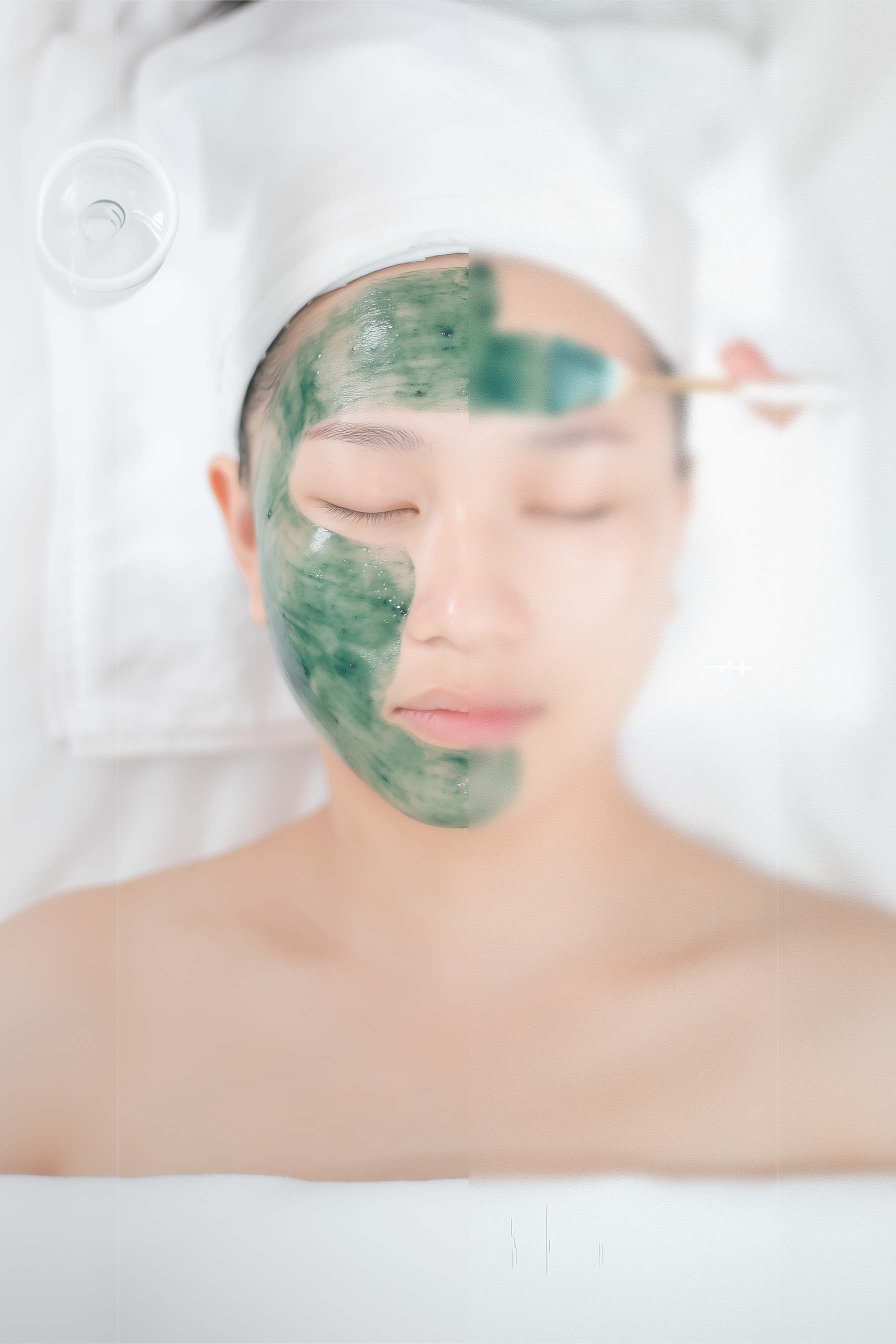
Sagging and texture loss are often attributed solely to aging or collagen decline. However, in many clients, these changes are driven by mechanical skin fatigue—a gradual loss of structural resilience caused by repeated stress, movement, and impaired recovery over time. When skin is unable to rebound efficiently after mechanical strain, it begins to soften, stretch, and lose surface refinement.
At The Brow & Beauty Boutique, mechanical skin fatigue is addressed through skin management: an assessment-led, biologically informed strategy that focuses on restoring resilience and recovery rather than forcing visible tightening.
Clients can explore this philosophy in detail through our Skin Management & Anti-Aging framework, which explains why sustainable improvement depends on skin behaviour, not tension.
What Is Mechanical Skin Fatigue?
Mechanical fatigue occurs when skin undergoes repeated deformation—facial movement, gravity, sleeping positions, habitual expression, or prolonged stress—without adequate structural recovery. Over time, collagen fibres lose alignment, elastin becomes less responsive, and the extracellular matrix struggles to maintain integrity.
Unlike acute laxity, mechanical fatigue develops subtly. Skin may appear softer, less springy, or increasingly textured even in clients who maintain good hydration and skincare habits. These changes reflect compromised mechanical support rather than surface dehydration alone.
Skin management recognises mechanical fatigue as a signal to reinforce structure and recovery capacity—not to escalate intensity.
Why Mechanical Fatigue Mimics Aging
Mechanically fatigued skin often presents with early sagging, crepiness, or uneven texture that resembles advanced aging. However, the underlying issue is frequently reduced elastic recoil and impaired dermal organisation rather than irreversible tissue loss.
When treatments focus only on tightening or resurfacing, they may temporarily mask the appearance of fatigue while further stressing already compromised structures. Over time, this can worsen laxity and texture instability.
A management-based approach reframes these signs as correctable patterns when addressed early and conservatively.
Assessment-Led Identification of Mechanical Stress Patterns
Mechanical fatigue does not affect all areas equally. Some clients experience softening along the jawline, others notice texture thinning across the cheeks or lower face. These patterns reflect differences in tissue density, movement frequency, and stress exposure.
At The Brow & Beauty Boutique, planning begins by identifying whether mechanical fatigue, collagen depletion, or barrier dysfunction is the dominant contributor. Clients ready to clarify the root cause can book an Initial Skin Management Consultation, where skin behaviour and stress patterns are assessed comprehensively.
This evaluation ensures treatment supports recovery rather than increasing strain.
Restoring Resilience Through Controlled Conditioning
Correcting mechanical skin fatigue requires improving the skin’s ability to absorb and recover from stress. Skin management supports this by stabilising the barrier, regulating inflammation, and gradually reinforcing dermal support structures.
Rather than pulling skin taut, conditioning focuses on improving tissue quality and elastic response. Clients seeking subtle firming without aggression often benefit from a Progressive Skin Conditioning Session, designed to strengthen resilience over time rather than force immediate lift.
As recovery capacity improves, sagging and texture loss often stabilise and gradually soften.
Related Concerns Linked to Mechanical Fatigue
Mechanical fatigue rarely appears alone. It is commonly associated with dehydration, uneven texture, early fine lines, and skin that appears to “collapse” more quickly throughout the day. Treating these concerns individually often leads to inconsistent results.
For example, fine lines that deepen rapidly may reflect reduced elastic recoil rather than surface dryness. By addressing mechanical fatigue within a comprehensive skin management plan, improvements tend to hold more reliably.
Clients seeking clarity on how these priorities are sequenced can review our frequently asked questions, which explain how treatment decisions are structured.
The La Dermalogique Perspective: Supporting Structural Recovery
Advanced skin conditioning plays an important role in restoring mechanical resilience. Through our collaboration with La Dermalogique, clients gain access to treatments that support microcirculation, oxygen delivery, and regenerative signalling—key factors in tissue recovery.
Treatments such as the La Dermalogique Signature Skin Treatment and Signature Glow-Up Contouring are particularly beneficial for skin showing early mechanical fatigue. These non-ablative approaches reinforce dermal support without increasing inflammatory stress.
Setting Expectations for Mechanical Recovery
Mechanical fatigue does not resolve overnight. Improvement appears as skin begins to feel denser, more elastic, and better supported across repeated movement and daily stress. Texture becomes more stable as recovery capacity improves.
Clients often report that their skin “holds itself better” rather than looking dramatically lifted. These outcomes are reflected in our customer stories, which highlight the value of patience and informed care. Those interested in the principles guiding this approach can also explore our story.
Rebuilding Skin Resilience Without Aggression
For clients experiencing sagging and texture loss driven by mechanical fatigue, skin management offers a clinically grounded path forward. By restoring recovery capacity and structural resilience, the skin can regain support naturally and sustainably.
Clients ready to proceed can book a Comprehensive Skin Management Session, where treatment planning is guided by skin biology—not force.
