
Targeting Elastin Fibre Weakening in Skin Showing Early Laxity


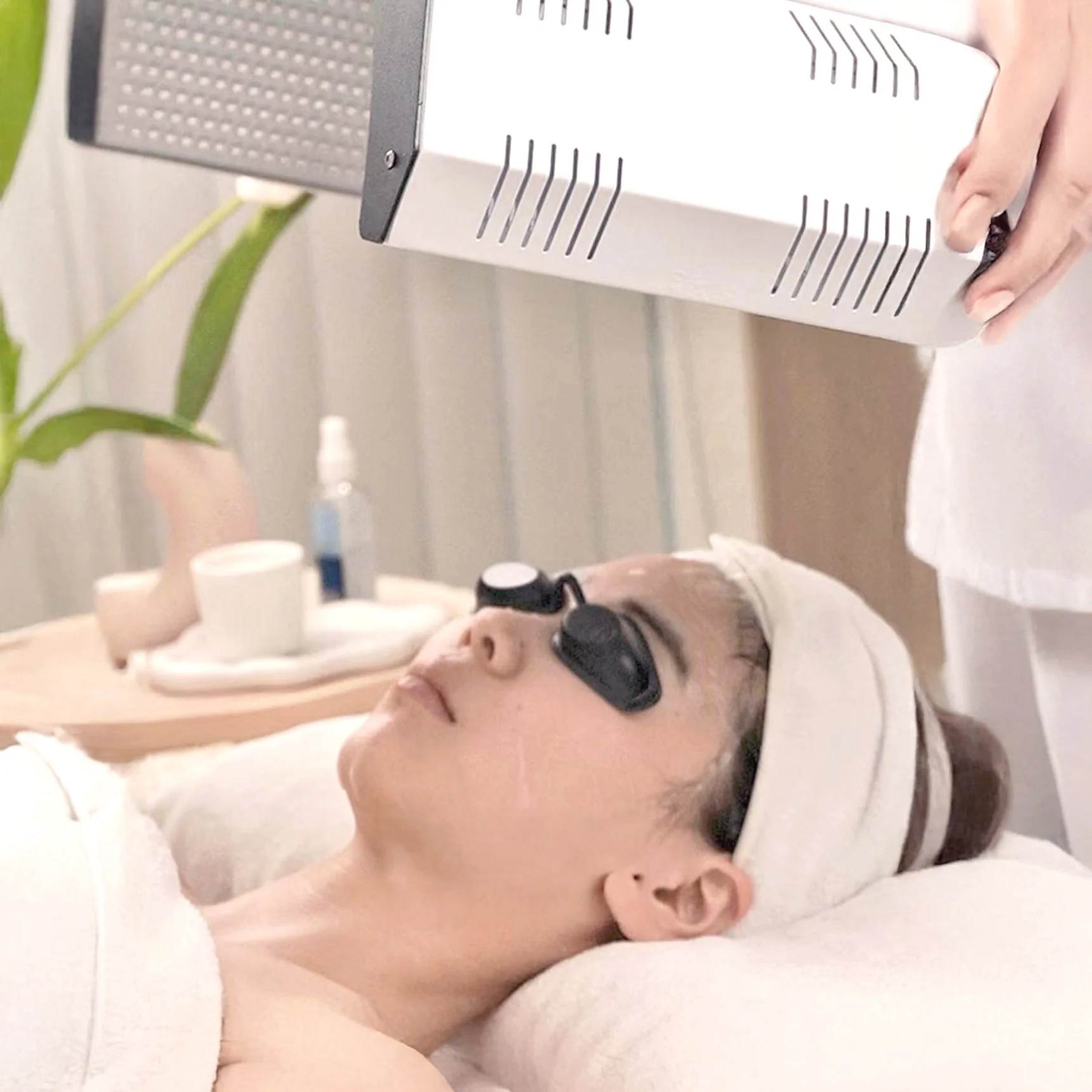
Early laxity often appears quietly. Skin may still look smooth, yet it no longer feels as firm or responsive as before. Clients frequently describe this stage as skin that “moves differently,” settles more quickly, or lacks the subtle recoil it once had. In most cases, this change reflects elastin fibre weakening rather than advanced aging or significant collagen loss.
At The Brow & Beauty Boutique, early laxity is managed through structured skin management, not aggressive tightening. The aim is to support elastin integrity, preserve dermal elasticity, and slow progression—without overstimulating skin that is still structurally capable of recovery.
Clients can explore this long-term approach through our Skin Management & Anti-Aging framework, which prioritises functional support over visible strain.
Understanding the Role of Elastin in Skin Elasticity
Elastin fibres allow skin to stretch and return to its original position. Unlike collagen, which provides strength and density, elastin governs recoil and flexibility. With age, photo-exposure, oxidative stress, and chronic low-grade inflammation, elastin fibres gradually fragment and lose organisation.
This weakening often precedes visible sagging. Skin may still appear firm at rest, yet lacks responsiveness when manipulated or animated. Addressing elastin decline at this stage is particularly effective, as structural reserves are still present.
Why Early Laxity Should Not Be Overcorrected
Many treatments aimed at laxity focus on immediate tightening through strong stimulation. While this can create short-term firmness, it may increase inflammatory load and compromise long-term elasticity—especially when elastin fibres are already vulnerable.
Skin management takes a different approach. Rather than forcing contraction, it supports controlled regenerative signalling, microcirculation, and tissue conditioning. This helps preserve remaining elastin structure while encouraging gradual functional improvement.
Clients noticing early laxity are encouraged to begin with an Initial Skin Management Consultation, where elastin integrity, dermal resilience, and recovery capacity are assessed before treatment planning.
Supporting Elasticity Through Progressive Conditioning
Elastin regeneration is limited compared to collagen, making preservation especially important. Skin management focuses on creating an environment where existing fibres are protected and functional decline is slowed. This involves careful sequencing, avoiding excessive thermal or mechanical stress, and allowing adequate recovery between sessions.
Over time, this approach improves how the skin responds to movement and gravity, resulting in firmness that feels natural rather than rigid.
Clients who prefer steady improvement without overstimulation often benefit from a Progressive Skin Conditioning Session, designed to support elasticity while maintaining skin comfort and stability.
Recognising Elastin-Related Laxity Early
Early elastin weakening may present as subtle contour softening, delayed recoil after facial movement, or a sense that skin is “less springy” despite good hydration. These signs are often missed or dismissed, yet they represent an optimal window for conservative intervention.
Addressing elastin decline early allows skin management to slow progression and maintain structural harmony, reducing the need for more aggressive measures later.
Clients unsure whether their concerns reflect elastin weakening or general aging can consult our frequently asked questions, which explain how different structural components influence skin behaviour.
Long-Term Benefits of Elastin-Focused Skin Management
When elastin support is prioritised, clients often notice improved resilience, smoother movement, and contours that hold their shape more consistently. Importantly, these changes develop gradually, preserving natural expression and avoiding a “tightened” appearance.
Many clients share these experiences through our customer stories, where early intervention and subtle improvement are recurring themes. The philosophy behind this conservative approach is also reflected in our story, which emphasises judgement and long-term skin health.
The La Dermalogique Perspective: Preserving Elasticity Without Strain
Elastin preservation is further supported through collaboration with our sister brand, La Dermalogique. Their treatments focus on advanced conditioning, microcirculatory support, and regenerative signalling—key elements in maintaining elastic function without provoking inflammatory stress.
The La Dermalogique Signature Skin Treatment is particularly suitable for skin showing early laxity, as it supports elasticity while respecting recovery thresholds. For clients seeking gentle contour refinement without compromising flexibility, Signature Glow-Up Contouring provides non-ablative support aligned with elastin preservation.
These treatments integrate seamlessly with skin management protocols focused on long-term elasticity.
Slowing Laxity Through Informed Skin Management
Early laxity does not require drastic tightening to improve. With proper assessment, conservative sequencing, and respect for recovery cycles, elastin weakening can be addressed gradually—preserving skin movement, resilience, and natural expression.
Clients ready to support elasticity before laxity progresses can book a Comprehensive Skin Management Session, where treatment planning is guided by skin behaviour rather than urgency.