
Restoring Long-Term Colour Predictability With Correction-Led Lip Color Correction

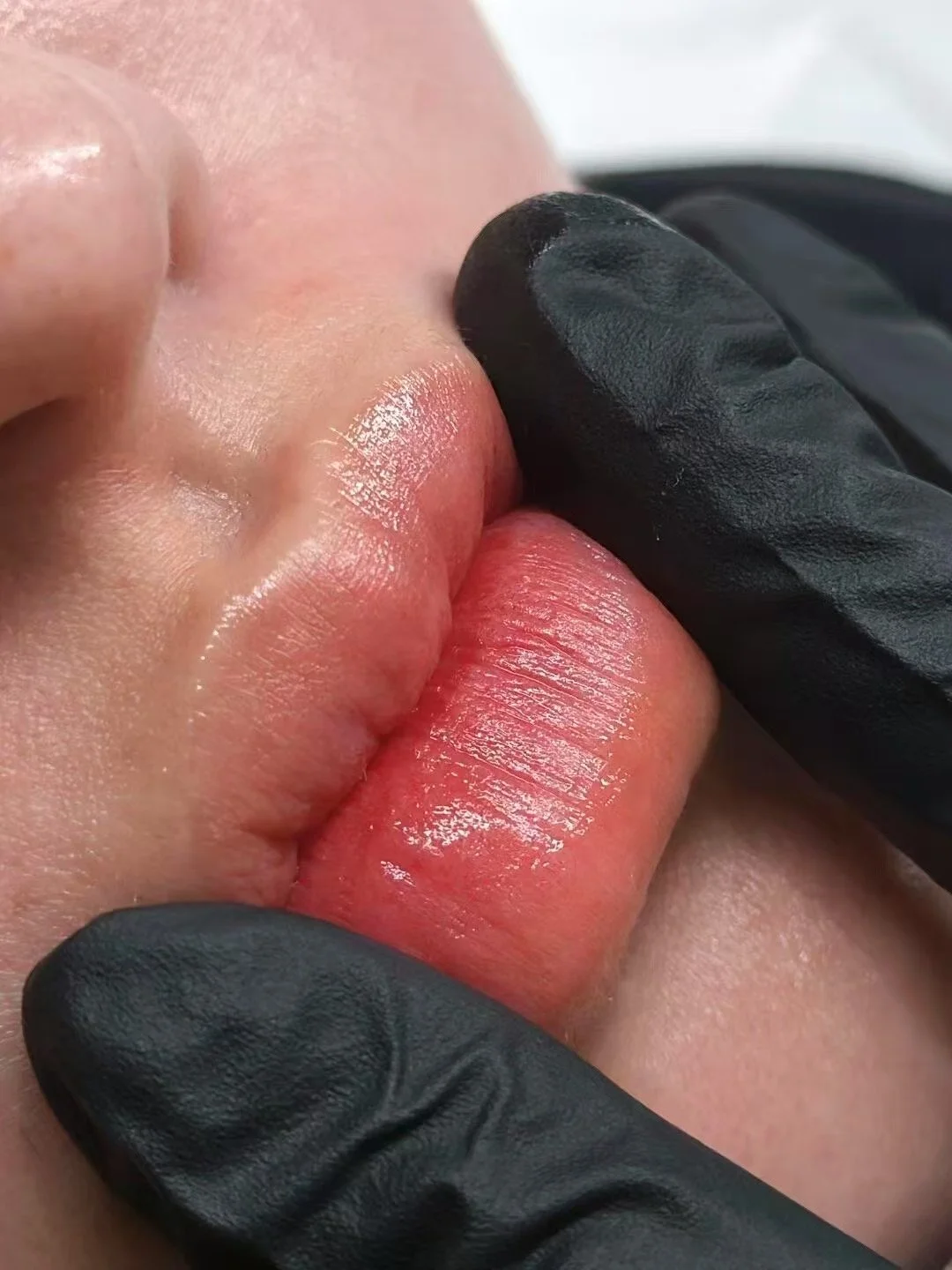

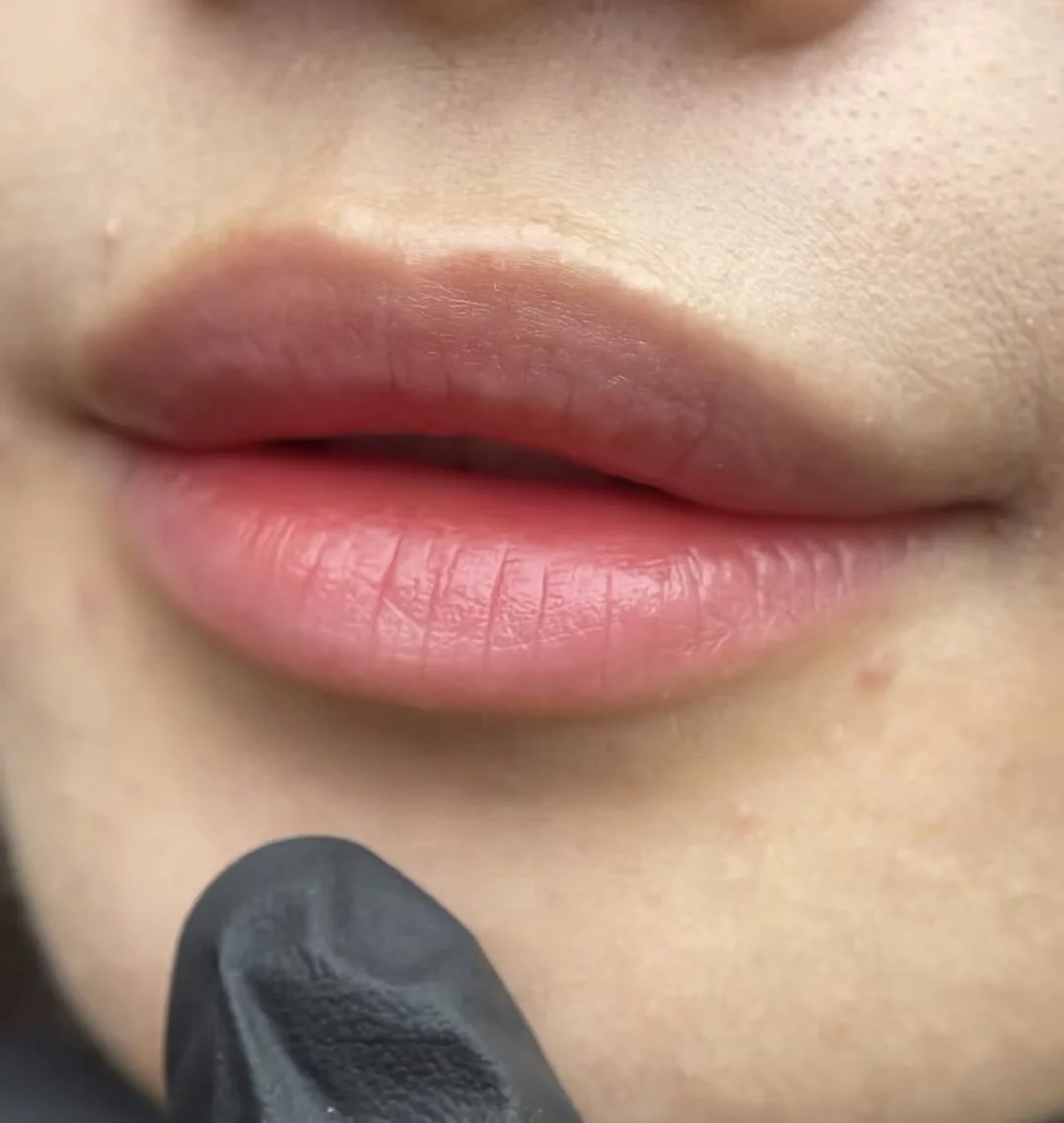
One of the most common frustrations among clients who have undergone lip blush is not an immediate complication, but uncertainty. The lips may heal smoothly, yet months later the colour behaves inconsistently. Tone shifts under different lighting, undertones dominate unexpectedly, or one area fades faster than another. These experiences are not random. They are signs that long-term colour predictability has not been established at the structural level.
At The Brow & Beauty Boutique, restoring predictability is the primary objective of correction-led lip colour correction. Rather than chasing surface colour, this approach focuses on stabilising pigment behaviour first, so future outcomes become reliable, consistent, and sustainable over time.
What Long-Term Colour Predictability Actually Means
Colour predictability is often misunderstood as simply choosing the “right shade.” In reality, predictability refers to how pigment behaves over time, not just how it appears immediately after healing.
Predictable lip colour means:
Tone remains stable across months, not just weeks
Undertones do not dominate as healing progresses
Colour fades evenly rather than patchily
Future enhancements behave as expected
When predictability is missing, it is rarely because pigment quality was poor. It is because structural conditions within the lip tissue were not optimised before colour was introduced.
Why Lips Lose Colour Predictability
The vermilion zone is biologically complex. It is thin, highly vascular, and constantly in motion. These characteristics make lips especially sensitive to pigment depth, density, and layering.
Loss of predictability is most commonly linked to:
Residual or legacy pigment from earlier treatments
Uneven pigment depth across different lip zones
Excessive pigment load from repeated applications
Undertone dominance overpowering surface colour
Oxidative colour change over time
In many cases, lips appear acceptable at first, then shift gradually. This delayed instability is a hallmark of foundation issues, not healing failure.
Why Correction-Led Approaches Restore Stability
A correction-led approach begins by asking a different question. Instead of “What colour should we add?”, the focus becomes “What is preventing colour from behaving predictably?”
Correction-led lip colour correction prioritises:
Assessment of pigment history and layering
Identification of residual pigment interference
Evaluation of pigment depth and density
Sequencing correction before refinement
By addressing these factors first, the lips are allowed to return to a more neutral, responsive state. This creates a predictable environment where future colour can perform consistently.
The Role of Targeted Lip Colour Removal
In many cases, restoring predictability requires lip colour removal, not as an erasing step, but as a recalibration tool. Targeted removal reduces pigment that no longer behaves predictably within the tissue.
This selective approach helps to:
Lower cumulative pigment load
Reduce cool or distorted undertones
Improve light reflection through the vermilion
Restore balance across the lips
Importantly, removal is not always comprehensive. Often, partial reduction is enough to stabilise behaviour without over-correcting. This foundation step is explored in greater detail through our lip colour removal service.
Why Predictability Improves After Correction
Once residual pigment load has been reduced and depth inconsistencies addressed, the lips respond very differently to new colour. Healing becomes more uniform, undertones remain stable, and fading patterns are easier to anticipate.
Clients often notice that after correction:
Colour retains warmth more consistently
Symmetry improves without excessive adjustments
Touch-ups become minimal rather than cyclical
Long-term outcomes feel calmer and more controlled
This is not coincidence. It is the result of restoring structural balance before refinement.
Lip Embroidery as the Completion Phase
With predictability restored, lip embroidery can finally perform as intended. Rather than compensating for instability, embroidery enhances tone, softness, and shape on a stable foundation.
This completion phase may involve:
Lip embroidery blush for overall tone and vitality
Lip embroidery enhancement for refinement and longevity
When embroidery follows correction, pigment settles more evenly and maintains its character over time. This is why embroidery is positioned as the final step, not the starting point.
Why Process Determines Long-Term Success
At The Brow & Beauty Boutique, long-term success is not measured by immediate colour payoff. It is measured by how lips behave months and years later.
Correction-led protocols are built around:
Honest assessment of limitations
Respect for biological variability
Clear explanation of sequencing and timelines
Emphasis on stability over speed
Clients are encouraged to ask questions and understand each stage of the process, ensuring decisions are informed rather than reactive.
For insight into how long-term predictability has been restored in complex cases, our customer stories provide real-world examples of correction-led outcomes.
When Predictability Is the Priority, Results Follow
Unstable lip colour does not mean something has gone wrong permanently. It means the lips are signalling that correction must come before refinement. When pigment behaviour is stabilised through correction-led protocols, long-term predictability becomes achievable.
If your lip colour feels inconsistent despite proper healing, the next step is not to add more pigment. It is to restore control at the foundation level.
You may begin the appropriate stage of your journey directly through the following appointments:
To learn more about our philosophy and full range of services, you may also visit The Brow & Beauty Boutique.