Non-Ablative Dermal Stimulation for Skin Requiring Renewal Without Trauma
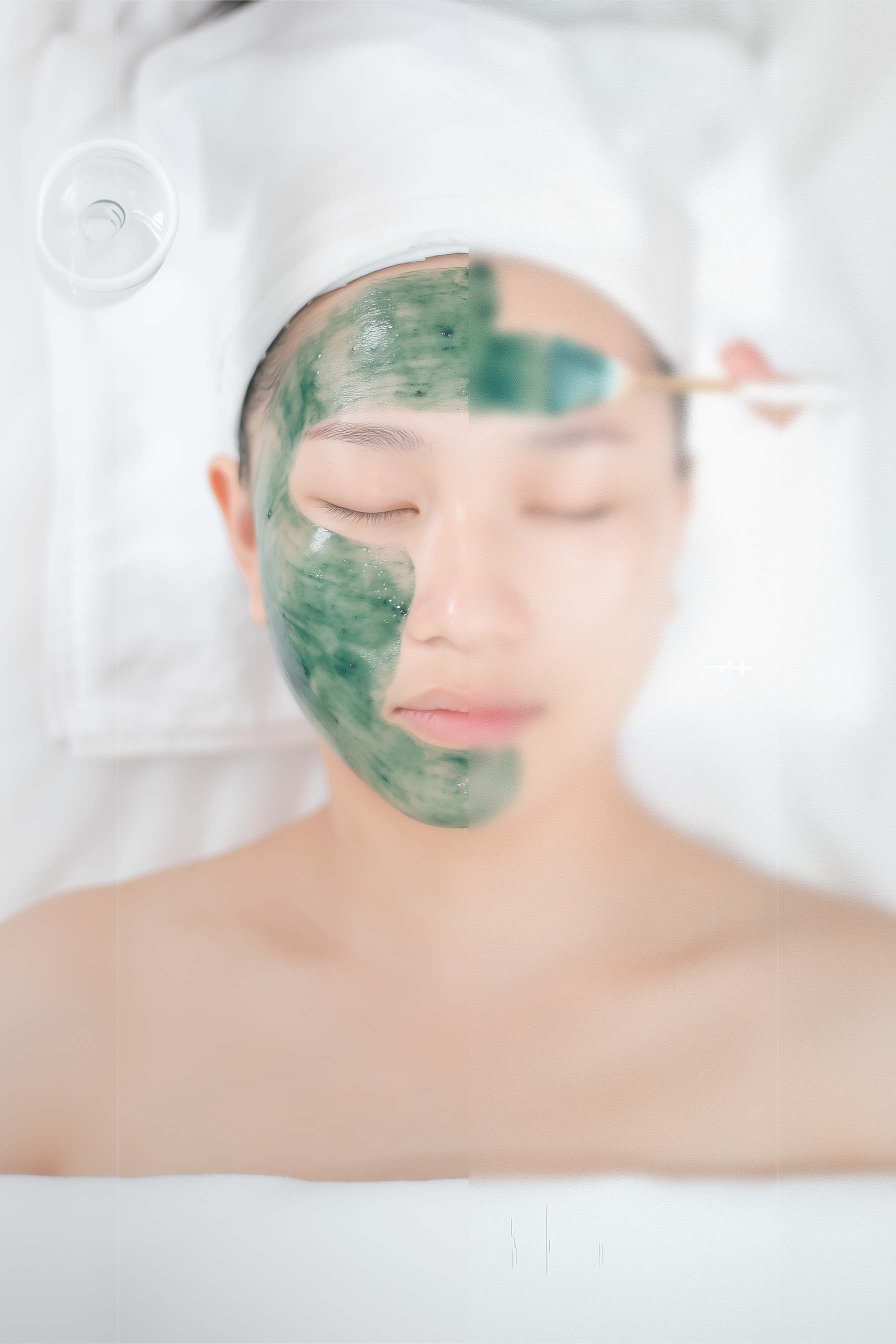


Not all skin benefits from aggressive resurfacing or visible downtime. For many clients, the challenge is not a lack of treatment, but a need for renewal that does not compromise barrier integrity, trigger inflammation, or overwhelm healing capacity. This is where non-ablative dermal stimulation plays a critical role in modern skin management.
At The Brow & Beauty Boutique, non-ablative approaches are integrated into long-term skin management strategies for clients seeking gradual, sustainable renewal without trauma. Rather than injuring tissue to force regeneration, these methods work by supporting dermal signalling pathways while preserving surface stability.
Clients new to this philosophy often begin by reviewing our Skin Management & Anti-Aging approach, which explains why controlled stimulation often outperforms aggressive correction over time.
Understanding Non-Ablative Dermal Stimulation
Non-ablative dermal stimulation refers to techniques that encourage collagen activity, fibroblast response, and microcirculation without removing or damaging the epidermis. Unlike ablative treatments that rely on wounding to initiate repair, non-ablative methods aim to activate regenerative pathways while maintaining barrier continuity.
This distinction matters. Skin that is repeatedly injured may regenerate in the short term, but over time can develop prolonged inflammation, delayed healing, or treatment fatigue. Non-ablative stimulation supports renewal while allowing the skin to remain functional, resilient, and comfortable throughout the process.
This approach is particularly suitable for clients with sensitive skin, darker skin tones, compromised barriers, or those seeking improvement without visible downtime.
Why Trauma-Based Renewal Is Not Always the Answer
Aggressive resurfacing is often marketed as the fastest path to skin renewal. However, not all skin tolerates repeated trauma well. When inflammatory thresholds are exceeded, regenerative signalling can become disorganised, leading to inconsistent outcomes or prolonged recovery.
Common signs that skin may benefit from non-ablative strategies include persistent redness after treatments, delayed healing, heightened sensitivity, or results that diminish quickly. In these cases, continuing to escalate intensity may worsen the underlying problem.
Skin management reframes renewal as a cumulative process rather than a single corrective event. By supporting dermal activity without breaching the epidermis, the skin is allowed to remodel gradually and predictably.
Clients unsure whether their skin requires stimulation or rest are encouraged to book an Initial Skin Management Consultation, where skin tolerance and recovery capacity are assessed before treatment selection.
How Controlled Stimulation Restores Skin Responsiveness
Non-ablative dermal stimulation works by encouraging microcirculation, improving oxygen and nutrient delivery, and supporting fibroblast communication within the dermis. When applied at appropriate intervals, these signals help restore collagen organisation and skin density without triggering inflammatory overload.
Importantly, recovery time is built into the process. Skin is given space to respond, adapt, and strengthen rather than being pushed continuously. This pacing is essential for clients whose skin has become reactive or resistant to conventional anti-aging treatments.
Those following a structured renewal plan often transition into a Progressive Skin Conditioning Session, where stimulation intensity and frequency are adjusted based on real-time skin response rather than preset schedules.
Secondary Improvements Without Surface Disruption
One of the advantages of non-ablative dermal stimulation is its ability to improve multiple concerns simultaneously. Clients often notice gradual improvements in firmness, texture, tone, and overall skin resilience without experiencing peeling, scabbing, or prolonged downtime.
Because the epidermis remains intact, the risk of post-inflammatory hyperpigmentation, barrier disruption, or prolonged sensitivity is significantly reduced. This makes non-ablative approaches particularly valuable for maintenance phases and long-term skin health.
Clients seeking reassurance about safety, recovery expectations, and suitability often refer to our frequently asked questions, which explain why conservative stimulation is often preferred over aggressive intervention.
Setting Realistic Expectations for Renewal Without Trauma
Non-ablative renewal is subtle by design. Improvements emerge gradually as dermal structure reorganises and skin function stabilises. This process may feel slower than ablative options, but results tend to be more stable and age more naturally.
Anti-aging skin management prioritises consistency over intensity. Clients are guided transparently, with timelines explained clearly to prevent unrealistic expectations or unnecessary escalation.
Many clients share their experiences through our customer stories, noting that their skin feels stronger, calmer, and more predictable over time.
Those interested in the clinical judgement behind this approach can also explore our story to understand why restraint is often the most effective form of care.
The La Dermalogique Perspective: Stimulating Without Compromising
Collaboration with La Dermalogique strengthens our non-ablative strategy. Their treatments are designed to enhance dermal signalling, microcirculation, and tissue responsiveness while preserving epidermal integrity.
Treatments such as the La Dermalogique Signature Skin Treatment and Signature Glow-Up Contouring support dermal renewal without inducing trauma. These modalities integrate seamlessly into skin management programs where the goal is refinement, not disruption.
A Sustainable Path to Skin Renewal
Skin that requires renewal does not always need to be injured to improve. With appropriate assessment, controlled stimulation, and respect for recovery cycles, non-ablative dermal stimulation offers a sustainable pathway to healthier, more resilient skin.
Clients ready to pursue renewal without trauma can book a Comprehensive Skin Management Session, where treatment planning is guided by skin behaviour—not trends or intensity.