
Milia Around the Eyes: Why Technique Selection Matters More Than Speed

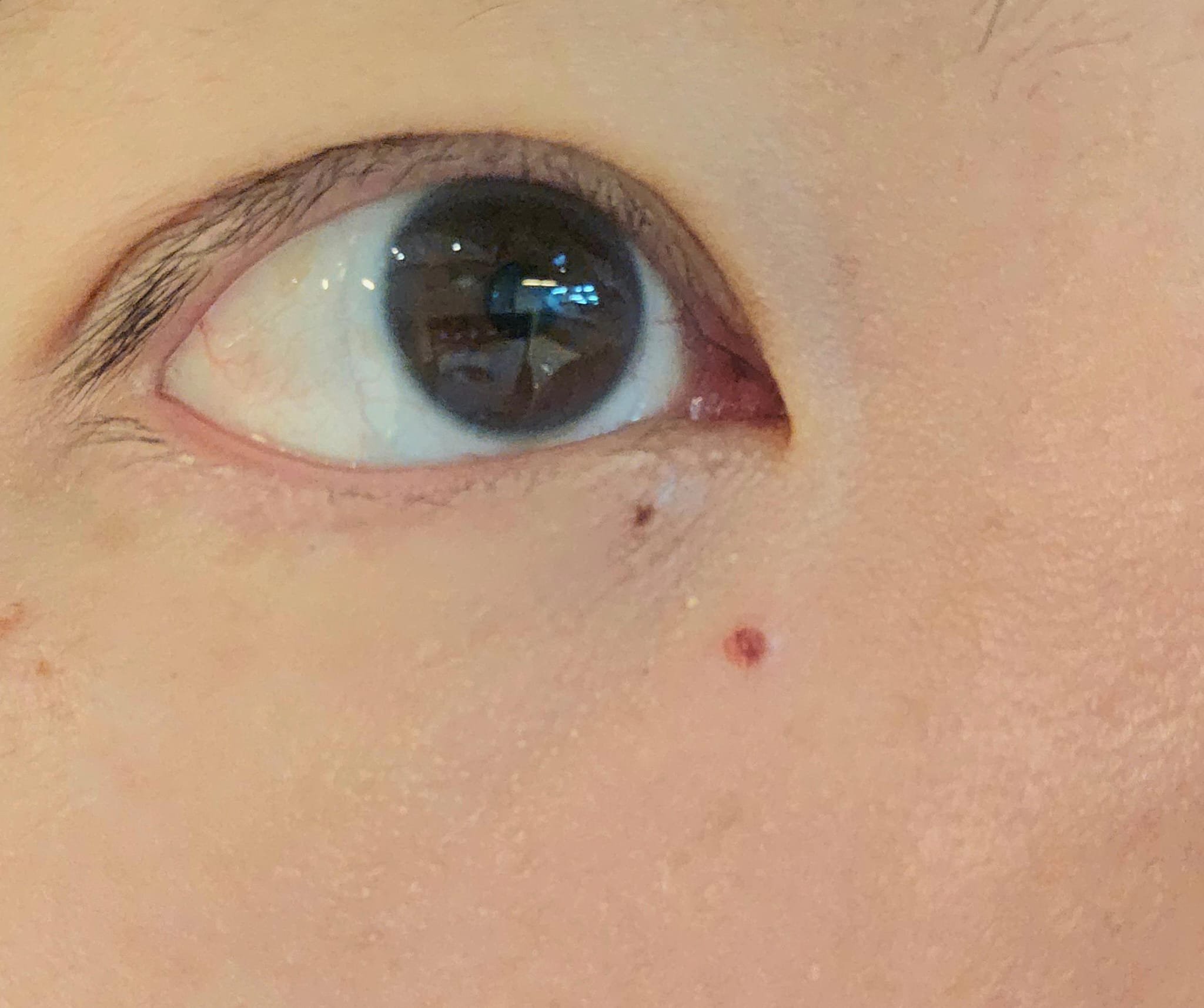
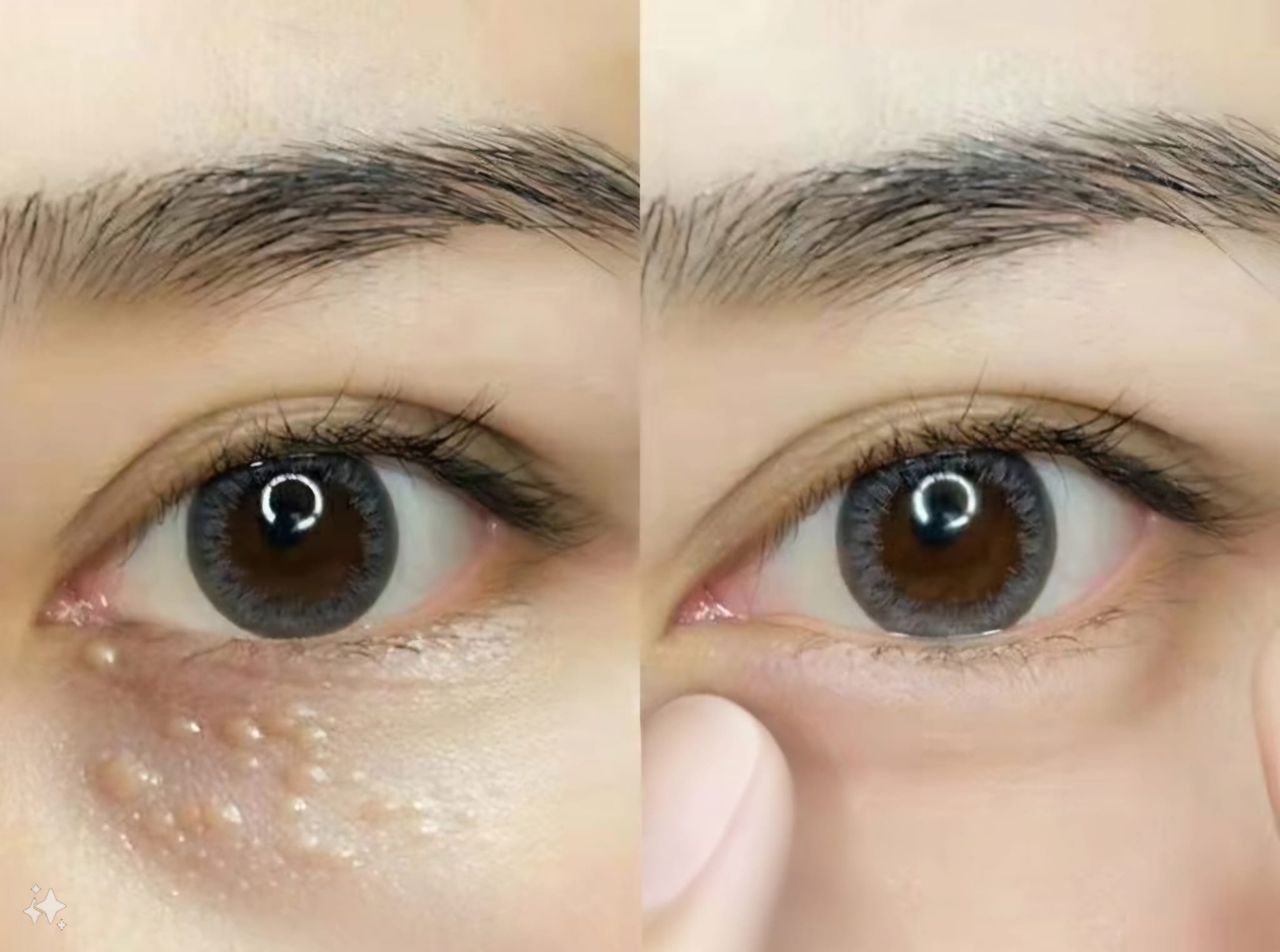
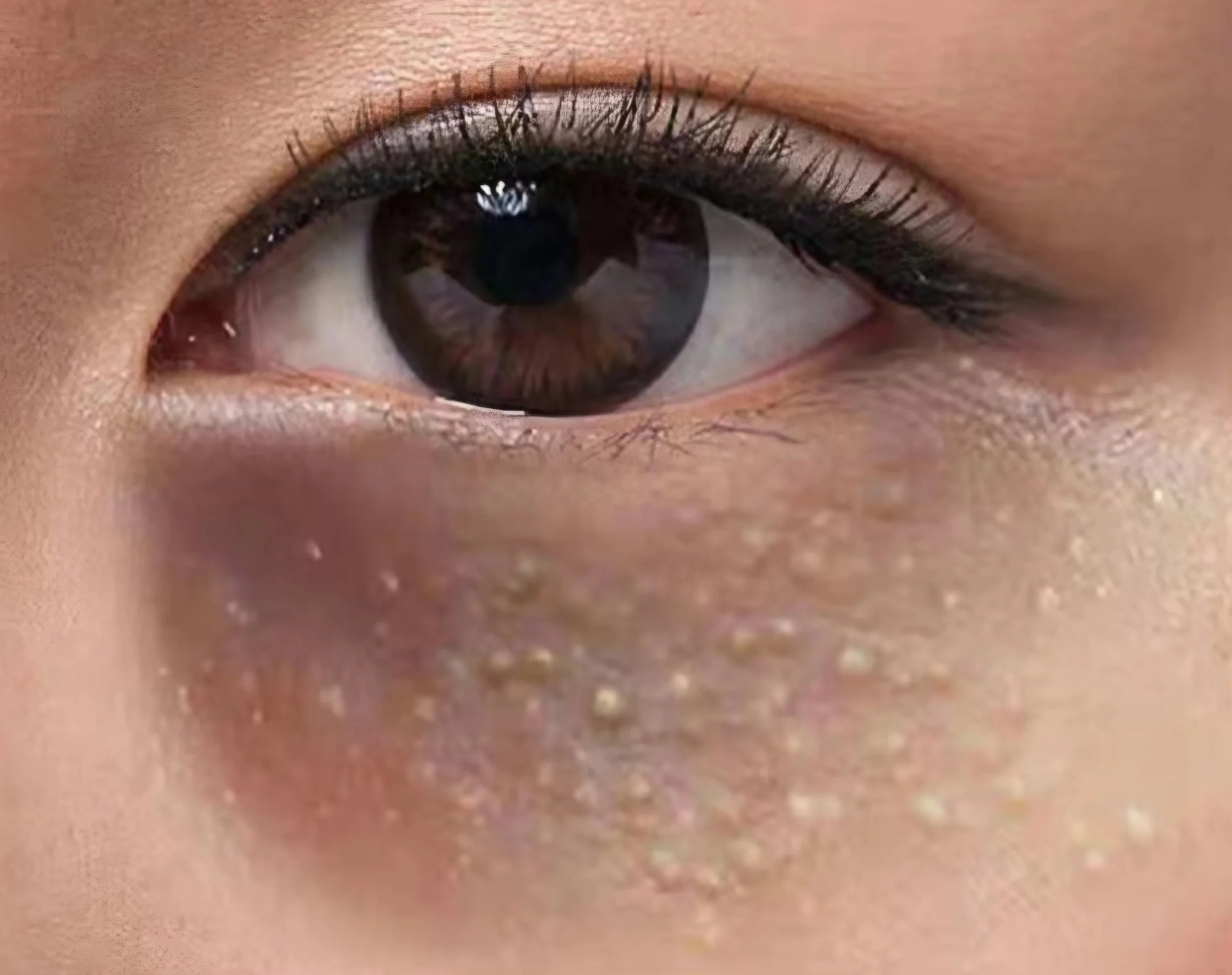
Milia that form around the eyes present a unique clinical challenge. While they often appear as small white bumps on the skin surface, periocular milia behave differently from milia found elsewhere on the face. The skin surrounding the eyes is thinner, more vascular, and less forgiving of aggressive intervention. For this reason, successful milia removal in this area depends far more on technique selection and anatomical understanding than on speed or force.
At The Brow & Beauty Boutique, milia around the eyes are assessed as a distinct presentation rather than a routine cosmetic concern. Decisions are guided by lesion depth, cyst structure, skin integrity, and proximity to critical anatomical structures. This clinical approach significantly reduces risk while improving long-term outcomes.
Why Periocular Milia Requires a Different Approach
The periocular region has several characteristics that influence treatment choice. The epidermis is thinner, the dermal matrix provides less structural support, and blood vessels lie closer to the surface. These factors increase susceptibility to inflammation, prolonged erythema, and post-inflammatory hyperpigmentation if the skin is handled incorrectly.
Milia in this region are also more likely to be secondary in nature, forming after chronic irritation, occlusive skincare use, or previous procedures. As a result, periocular milia may sit deeper within the skin or develop denser keratin capsules, making superficial extraction ineffective.
Treating periocular milia without accounting for these variables often leads to incomplete removal or unnecessary trauma. This is why assessment precedes intervention, even when the lesion appears small or superficial.
Understanding the Medical Structure of Periocular Milia
Milia are subepidermal keratin cysts, not clogged pores. Around the eyes, these cysts may be embedded closer to the dermal-epidermal junction or surrounded by fragile tissue. Attempting to express them using pressure alone frequently fails because the keratin capsule has no natural exit point.
In cases where the cyst is superficial and the surrounding skin remains resilient, sterile milia extraction may be clinically appropriate. However, when the cyst wall is dense or the lesion sits deeper, extraction attempts can collapse surrounding tissue without releasing the keratin content.
This distinction is particularly important near the eyes, where repeated manipulation can compromise skin integrity.
When Energy-Based Removal Is Indicated
Energy-based removal techniques are often considered when periocular milia cannot be accessed safely through manual extraction alone. Controlled thermal energy allows the practitioner to reach the cyst structure without excessive mechanical pressure on the skin.
The use of energy in this region requires precise depth control and an understanding of tissue response. This is not about applying more intensity, but about applying the correct modality with restraint. The same clinical judgement used in RF Pulse-based treatments applies here, where energy delivery is adjusted to respect surrounding structures.
When selected appropriately, energy-based approaches reduce the likelihood of recurrence while supporting cleaner healing.
Why Speed Increases Risk Around the Eyes
Milia removal is often perceived as a quick procedure. While speed may be appropriate in some facial areas, prioritising speed over assessment near the eyes increases the risk of complications.
Rushed intervention can lead to:
incomplete cyst resolution
unnecessary inflammation
prolonged redness
uneven healing
In contrast, a slower, assessment-led approach allows the practitioner to select the safest access point, adjust technique in real time, and minimise disruption to delicate tissue. This is particularly important for clients with sensitive skin or a history of previous unsuccessful treatments.
Addressing Concerns After Previous Eye-Area Treatments
Clients with milia around the eyes often arrive with concerns shaped by past experiences. Some have undergone aggressive extraction attempts, while others have avoided treatment entirely out of fear of making the issue worse.
In most cases, previously treated areas are not permanently damaged but may require additional healing time and a more conservative approach. Reassessment focuses on skin recovery, residual cyst structure, and the safest path forward rather than repeating earlier methods.
This approach aligns with broader skin management and anti-aging strategies, where preserving the skin barrier is prioritised over immediate clearance.
Why Recurrence Is Common Around the Eyes
Periocular milia have a higher tendency to recur, particularly when underlying contributing factors remain unaddressed. Occlusive eye creams, repeated friction, and compromised skin turnover all increase the likelihood of secondary milia formation.
Recurrence does not necessarily indicate treatment failure. It often reflects ongoing skin behaviour rather than incomplete removal. Adjusting technique selection and supporting skin recovery reduces recurrence more effectively than repeating the same intervention.
Outcomes shaped by reassessment rather than repetition are reflected in our customer stories, where clients describe improved results after technique refinement.
Choosing a Safer Path Forward
Milia around the eyes require patience, precision, and clinical judgement. Whether sterile extraction or energy-based removal is appropriate depends on individual presentation rather than appearance alone. Safe outcomes are achieved by respecting anatomy, selecting the correct method, and allowing the skin to respond at its own pace.
Clients seeking professional guidance can explore the clinic’s dedicated milia seed removal service to understand how periocular cases are assessed and managed.
If you would prefer to discuss your concerns directly, you may book an appointment for a personalised consultation focused on safety, clarity, and long-term skin health.