Managing Transepidermal Water Loss in Chronically Dehydrated Skin


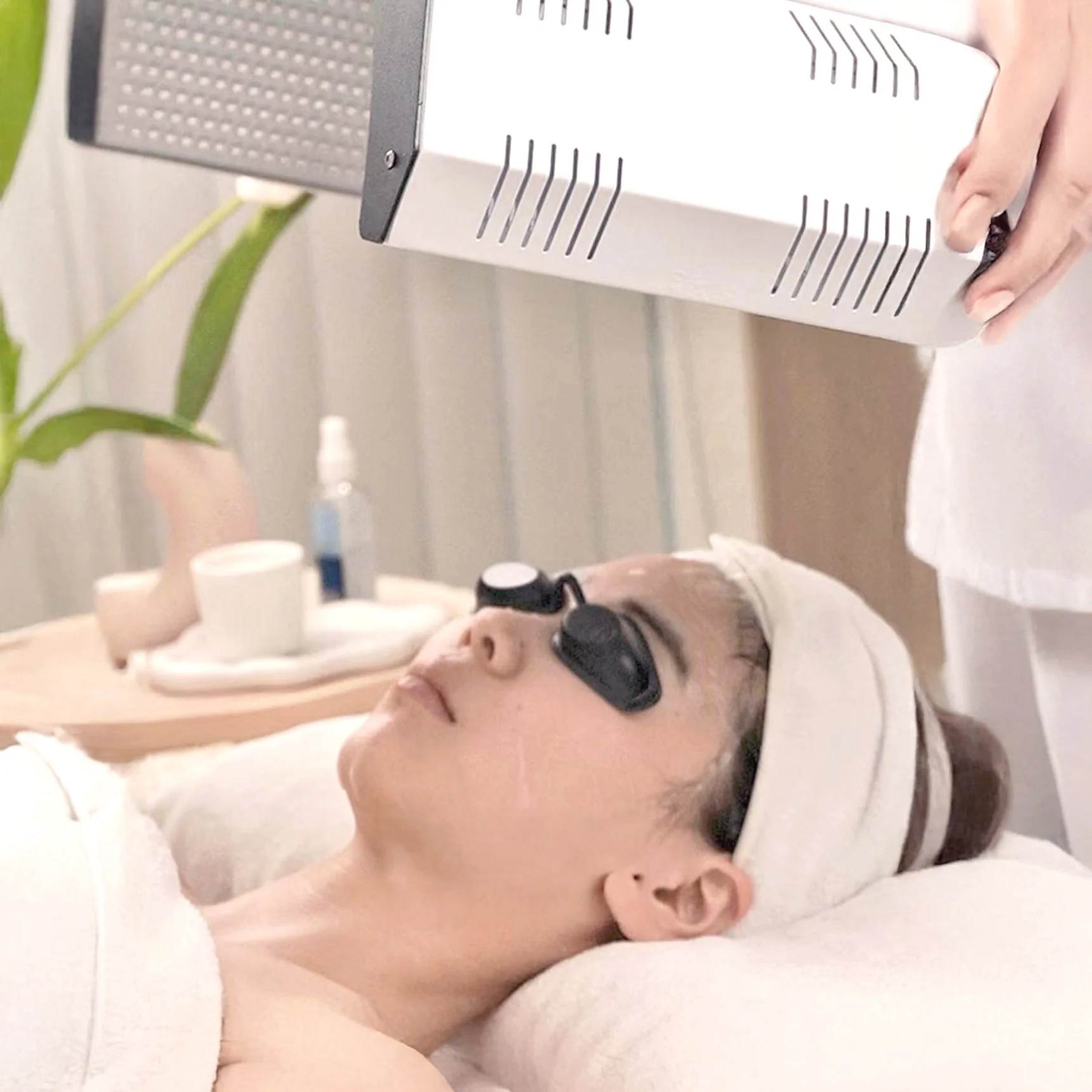

Chronic dehydration is one of the most misunderstood skin concerns. Clients often describe skin that feels tight, dull, or uncomfortable despite regular moisturising and professional facials. In many cases, the issue is not a lack of hydration input, but excessive transepidermal water loss (TEWL)—the gradual escape of water through a compromised epidermal barrier.
At The Brow & Beauty Boutique, chronically dehydrated skin is managed through structured skin management, focusing on restoring barrier function, regulating skin behaviour, and reducing unnecessary water loss rather than repeatedly adding surface hydration.
Clients can explore this function-first philosophy through our Skin Management & Anti-Aging framework, which prioritises skin stability and predictability over temporary comfort.
What TEWL Reveals About Skin Health
TEWL is a normal physiological process, but when levels are elevated, the skin struggles to retain hydration regardless of product use. This often occurs when the lipid matrix of the epidermis is disrupted, keratinocyte turnover is impaired, or inflammation compromises barrier cohesion.
Skin affected by high TEWL may appear superficially oily yet feel dehydrated underneath, or fluctuate between dryness and congestion. These patterns indicate barrier dysfunction rather than simple dryness, and they require a different management approach.
Why Moisturiser Alone Is Not Enough
One of the most common frustrations for clients with chronic dehydration is that hydration “never lasts.” This is because topical products can only be effective if the barrier is capable of retaining water. When TEWL remains elevated, hydration escapes faster than it can be replenished.
Skin management addresses this by stabilising the epidermal barrier first—reducing inflammatory stress, supporting controlled turnover, and allowing intercellular lipids to reorganise. Once water loss is regulated, hydration becomes easier to maintain and more consistent.
Clients experiencing persistent dehydration are encouraged to begin with an Initial Skin Management Consultation, where TEWL risk factors, skin tolerance, and treatment history are evaluated before intervention.
Reducing TEWL Through Conservative Skin Conditioning
Managing TEWL does not require aggressive resurfacing. In fact, excessive exfoliation or overstimulation often worsens water loss by further compromising the barrier. Skin management takes a conservative approach, selecting treatments that support recovery while gradually improving skin resilience.
Controlled stimulation, paired with adequate recovery time, helps restore barrier cohesion and improve hydration retention. Over time, the skin becomes less reactive, more comfortable, and better able to maintain internal moisture balance.
Clients who prefer a steady, structured pathway often benefit from a Progressive Skin Conditioning Session, designed to support cumulative barrier repair without overwhelming the skin.
Common Causes of Chronic Water Loss
Elevated TEWL rarely develops overnight. It is often the result of cumulative stressors such as repeated exfoliation, frequent device-based treatments, environmental exposure, or insufficient recovery between procedures. Even well-intentioned skincare routines can contribute when they exceed the skin’s tolerance threshold.
For clients who have tried multiple treatments without lasting improvement, the issue is often not resistance—but instability. Skin management reframes the goal from constant intervention to restoring predictability and resilience.
Clients seeking clarity on how past treatments may have contributed to dehydration can consult our frequently asked questions, which explain how barrier health influences hydration outcomes.
Long-Term Benefits of TEWL Regulation
When TEWL is reduced, clients often notice improvements beyond hydration alone. Skin feels calmer, texture smooths, and sensitivity decreases. Importantly, the skin begins to respond more reliably to both professional treatments and home care.
These changes are reflected in our customer stories, where many clients describe hydration stability as the turning point in their skin journey. Understanding the philosophy behind this conservative, function-led approach is also part of our story.
The La Dermalogique Perspective: Supporting Hydration Retention
Regulating TEWL is further supported through collaboration with our sister brand, La Dermalogique. Their treatments focus on advanced skin conditioning, microcirculatory support, and regenerative signalling—key elements in improving hydration retention without disrupting barrier recovery.
The La Dermalogique Signature Skin Treatment is particularly beneficial for skin experiencing dehydration alongside sensitivity, as it supports balance rather than creating additional stress. For clients seeking enhanced skin vitality without compromising hydration, Signature Glow-Up Contouring offers non-ablative structural support.
These treatments integrate seamlessly with skin management protocols focused on reducing water loss and restoring comfort.
Restoring Hydration by Managing Water Loss
Chronic dehydration is not a failure of skincare—it is a signal that the skin’s protective function needs support. By addressing TEWL through proper assessment, conservative sequencing, and recovery-led planning, hydration can stabilise naturally and sustainably.
Clients ready to address dehydration at its source can book a Comprehensive Skin Management Session, where treatment planning is guided by skin behaviour rather than assumptions.