
Managing Photo-Aging Processes Behind Uneven Tone and Fine Lines


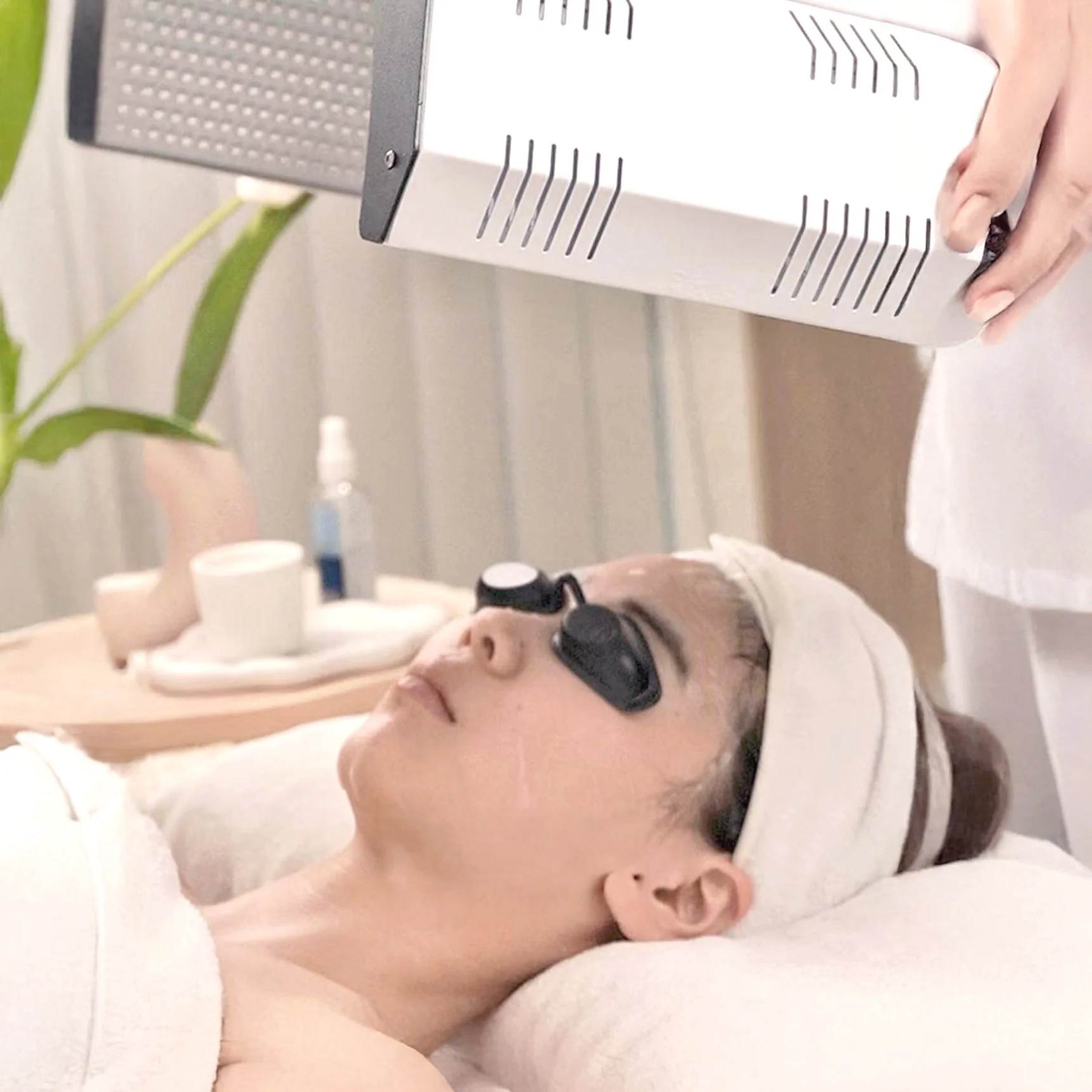
Uneven skin tone and fine lines are among the earliest and most persistent signs of photo-aging. While often attributed simply to “sun damage,” these changes are the result of complex biological processes triggered by cumulative ultraviolet exposure over time. At The Brow & Beauty Boutique, photo-aging is addressed through skin management—a structured, assessment-led approach that focuses on correcting underlying skin behaviour rather than masking surface symptoms.
Photo-aging affects multiple layers of the skin simultaneously. Ultraviolet radiation disrupts melanocyte regulation, accelerates collagen degradation, weakens elastin fibres, and interferes with normal cellular turnover. The visible outcome is skin that appears uneven, less luminous, and increasingly etched with fine lines, even in clients who maintain regular skincare routines.
Clients seeking a deeper understanding of how these mechanisms are managed clinically can begin with our Skin Management & Anti-Aging framework, which prioritises long-term stability over short-term cosmetic change.
How Photo-Aging Drives Uneven Tone and Fine Lines
Unlike chronological aging, photo-aging is cumulative and location-specific. Repeated UV exposure creates oxidative stress within the skin, leading to DNA damage, chronic low-grade inflammation, and impaired collagen synthesis. Over time, this results in irregular pigment distribution and reduced dermal support.
Fine lines associated with photo-aging are not merely surface creases. They reflect structural changes within the dermal matrix, where collagen fibres become fragmented and elastin loses its organised recoil. Without addressing these deeper processes, treatments aimed solely at brightening or smoothing the surface often deliver limited or temporary results.
Skin management focuses on restoring balance at multiple levels—supporting barrier function, regulating pigment activity, and encouraging controlled dermal repair.
Assessment-Led Identification of Photo-Aging Patterns
Photo-aged skin does not present uniformly. Some clients experience diffuse pigmentation and dullness, while others notice isolated dark patches, textural roughness, or fine lines concentrated around high-exposure areas such as the cheeks and forehead.
At The Brow & Beauty Boutique, treatment planning begins with identifying whether pigment dysregulation, oxidative stress, barrier compromise, or a combination of factors is driving the visible changes. This assessment-led approach prevents overtreatment and allows interventions to be sequenced appropriately.
Clients ready to begin with a proper evaluation can book an Initial Skin Management Consultation, where photo-aging patterns and skin tolerance thresholds are reviewed before treatment selection.
Why Surface-Level Brightening Often Falls Short
Many clients attempt to correct uneven tone through repeated brightening treatments or frequent exfoliation. While these approaches may temporarily improve appearance, they often fail to address the inflammatory and structural components of photo-aging.
Excessive stimulation can further weaken the barrier, increase sensitivity, and worsen pigment instability—particularly in skin already compromised by UV exposure. Skin management avoids this cycle by first stabilising the skin environment, then introducing controlled stimulation only when the skin is biologically prepared to respond.
Sequencing Treatments to Support Repair, Not Fatigue
Effective management of photo-aging relies on sequencing rather than intensity. Treatments are timed to allow melanocyte regulation, collagen repair, and barrier recovery to occur without interruption. This gradual approach supports more even pigment distribution and smoother texture over time.
Clients seeking consistent improvement without triggering sensitivity often choose a Progressive Skin Conditioning Session. These sessions are designed to reinforce dermal integrity and encourage long-term resilience, rather than forcing rapid change.
Addressing Associated Concerns Linked to Photo-Aging
Photo-aging rarely appears in isolation. It is frequently accompanied by dehydration, textural irregularities, enlarged pores, and slower healing response. These signs reflect broader disruption in skin regulation rather than isolated cosmetic flaws.
For example, uneven tone may persist despite pigment-targeted treatments if oxidative stress and inflammation remain unaddressed. By integrating photo-aging care into a comprehensive skin management plan, improvements tend to be more stable and predictable.
Clients who want clarity before committing to treatment often consult our frequently asked questions, which explain how treatment pathways are structured and adjusted over time.
The La Dermalogique Perspective: Supporting Photo-Aged Skin Recovery
Advanced skin conditioning plays an important role in managing photo-aging. Through our collaboration with La Dermalogique, clients gain access to treatments designed to support microcirculation, tissue oxygenation, and regenerative signalling without compromising barrier recovery.
Treatments such as the La Dermalogique Signature Skin Treatment and Signature Glow-Up Contouring are particularly beneficial for skin showing early photo-aging changes. These non-ablative approaches complement long-term skin management by enhancing repair capacity rather than overstimulating already stressed skin.
Setting Realistic Expectations for Photo-Aging Correction
Photo-aging develops over years, and its correction requires time, consistency, and biological respect. Improvements in tone uniformity and fine lines occur as inflammation settles, pigment activity stabilises, and dermal structure gradually strengthens.
Clients often report that their skin appears clearer, smoother, and more even—not dramatically altered, but visibly healthier. These experiences are reflected in our customer stories, which highlight the value of continuity and informed care.
Those interested in the philosophy guiding this conservative, evidence-led approach can also explore our story.
Beginning a Structured Approach to Photo-Aging Management
For clients experiencing uneven tone and fine lines linked to cumulative sun exposure, skin management offers a clinically grounded pathway forward. By addressing photo-aging at its biological roots, the skin can recover predictably and age more gracefully over time.
Clients ready to proceed can book a Comprehensive Skin Management Session, where treatment planning is guided by skin biology—not trends.