
Lip Colour Stability After Structural Correction and Pigment Rebalancing

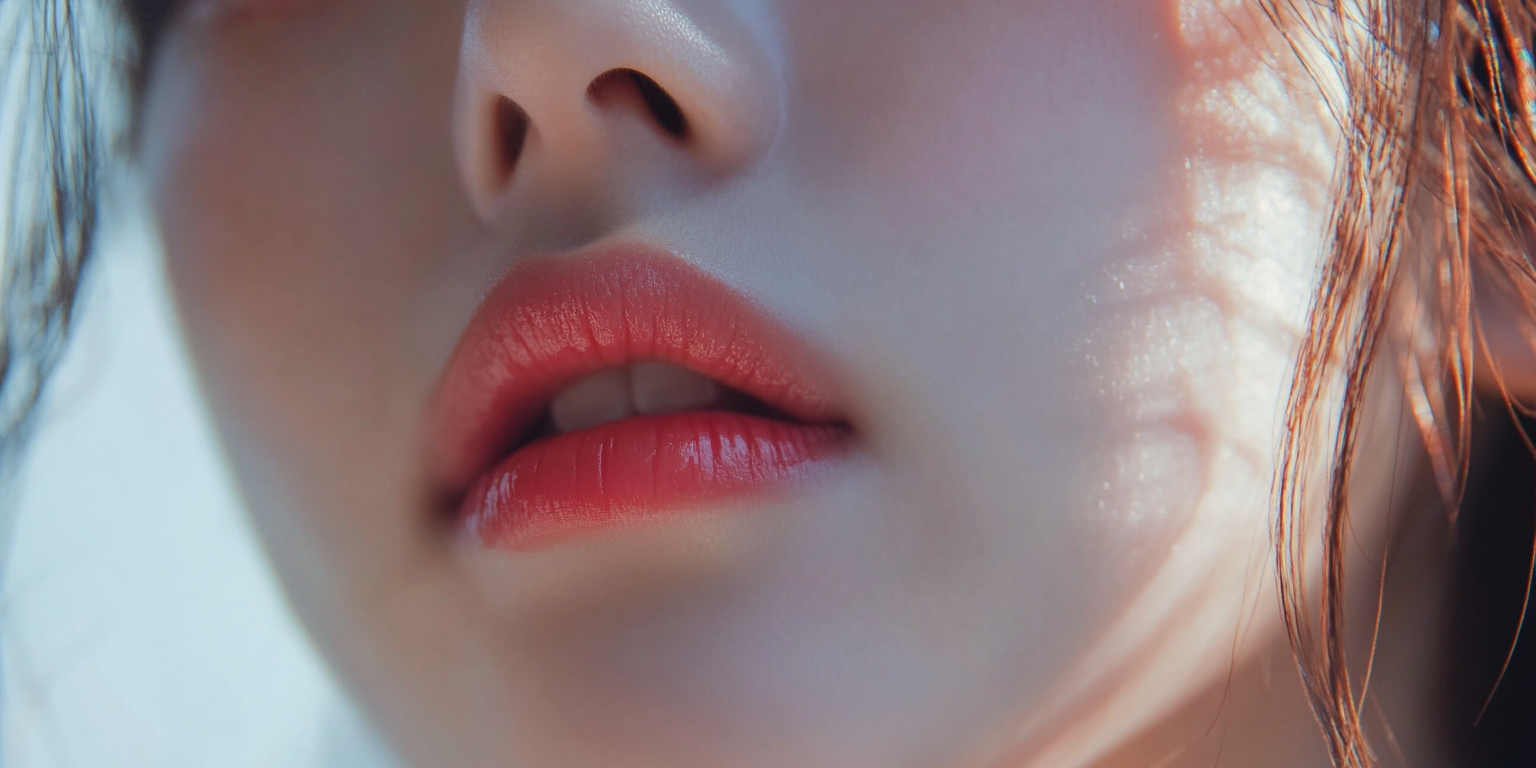

Achieving lip colour that looks balanced, natural, and consistent over time is not solely a matter of pigment choice. In many complex cases, long-term stability only becomes possible after structural correction and pigment rebalancing have been properly addressed. When lips have a history of uneven healing, colour shift, or repeated touch-ups, the issue is rarely surface-level. It is structural.
At The Brow & Beauty Boutique, lip colour stability is understood as an outcome of process, not luck. Once pigment behaviour is stabilised at the tissue level, colour outcomes become significantly more predictable and durable.
Why Lip Colour Stability Is Often Misunderstood
Many clients assume that once lips have healed clinically, colour should remain stable. When it does not, the assumption is often that the pigment was incorrect or the treatment was incomplete. In reality, instability usually indicates that underlying pigment structure has not been optimised.
Common signs of instability include:
Colour that shifts warmer or cooler over time
Uneven saturation across different lip zones
Recurrent patchiness after multiple sessions
Delayed settling that never fully resolves
These patterns are not random. They point to imbalanced pigment load, inconsistent depth, or residual pigment interfering beneath the surface.
What Structural Correction Actually Addresses
Structural correction focuses on restoring predictability to the lip tissue itself. Rather than adding more pigment to compensate for instability, it aims to remove or reduce the factors that distort colour behaviour.
This includes addressing:
Legacy pigment from previous treatments
Over-saturated or deeply placed pigment
Uneven pigment density across the vermilion zone
Cumulative pigment trauma from repeated layering
By correcting these structural issues, the lips regain their ability to respond normally to colour. Without this step, long-term stability remains difficult to achieve regardless of pigment selection.
Pigment Rebalancing and Light Behaviour
Pigment rebalancing is not simply about lightening colour. It is about restoring optical clarity within the lip tissue. When pigment density is uneven or excessive, light does not pass through the tissue consistently. This causes dullness, grey or purple undertones, and uneven visual output.
Rebalancing improves:
Light penetration through the vermilion
Even reflection across lip zones
Colour clarity and warmth retention
Predictable undertone behaviour
This is why pigment rebalancing often precedes refinement. It creates the conditions necessary for colour to remain stable after treatment rather than continuing to fluctuate.
The Role of Lip Colour Removal in Stability
In many cases, lip colour removal is the key intervention that allows pigment rebalancing to occur. This does not automatically mean complete removal. Often, selective reduction is sufficient to restore balance and reduce interference.
Lip colour removal helps to:
Reduce cumulative pigment load
Lighten deep or cool-toned residual pigment
Improve uniformity across the lip surface
Reset tissue response before further work
When used strategically, removal is not a step backward. It is the foundation upon which stable results are built. You can learn more about this corrective approach through our lip colour removal service.
Why Stability Improves After Correction
Once structural correction and pigment rebalancing have been completed, colour behaviour changes noticeably. Healing becomes more uniform, undertones remain consistent, and the lips settle into their final colour more predictably.
Clients often notice that after correction:
Colour stabilises faster post-treatment
Touch-ups become minimal or unnecessary
Warmth and softness are retained long-term
Visual balance is maintained across the lips
This improvement is not coincidental. It reflects the restoration of healthy pigment dynamics within the tissue.
Lip Embroidery as the Completion Phase
With stability restored, lip embroidery transitions from a corrective effort to a refinement process. Instead of compensating for instability, embroidery enhances shape, tone, and definition on a balanced foundation.
When performed after correction, embroidery:
Settles evenly across the vermilion zone
Maintains colour integrity over time
Reduces the risk of future colour shift
This is why embroidery is positioned as a completion phase, not the first response to unstable colour. Clients may explore this final stage through lip embroidery blush or lip embroidery enhancement depending on their goals and tissue readiness.
Why Sequencing Determines Long-Term Results
The most consistent lip colour outcomes are achieved through correct sequencing. Attempting to refine before correcting structural issues often leads to repeated cycles of adjustment and disappointment.
At The Brow & Beauty Boutique, sequencing is guided by:
Thorough assessment of pigment history
Honest discussion of limitations and timelines
Correction-first planning
Respect for biological variability
This approach ensures that each step supports long-term stability rather than short-term improvement.
For insight into how this process unfolds in real cases, our customer stories provide valuable context.
Stability Is the Outcome of Good Process
Lip colour stability is not achieved by adding more pigment or rushing refinement. It is achieved by correcting what interferes, rebalancing what remains, and refining only when the foundation is ready.
If your lip colour has remained unpredictable despite multiple treatments, the solution is not another touch-up. It is structural correction followed by thoughtful rebalancing.
You may begin the appropriate stage directly by scheduling:
To learn more about our philosophy and full range of services, visit The Brow & Beauty Boutique.
