
Eyeliner That Looks Too Dark Is Often a Density Overload Problem—Here’s How We Correct It

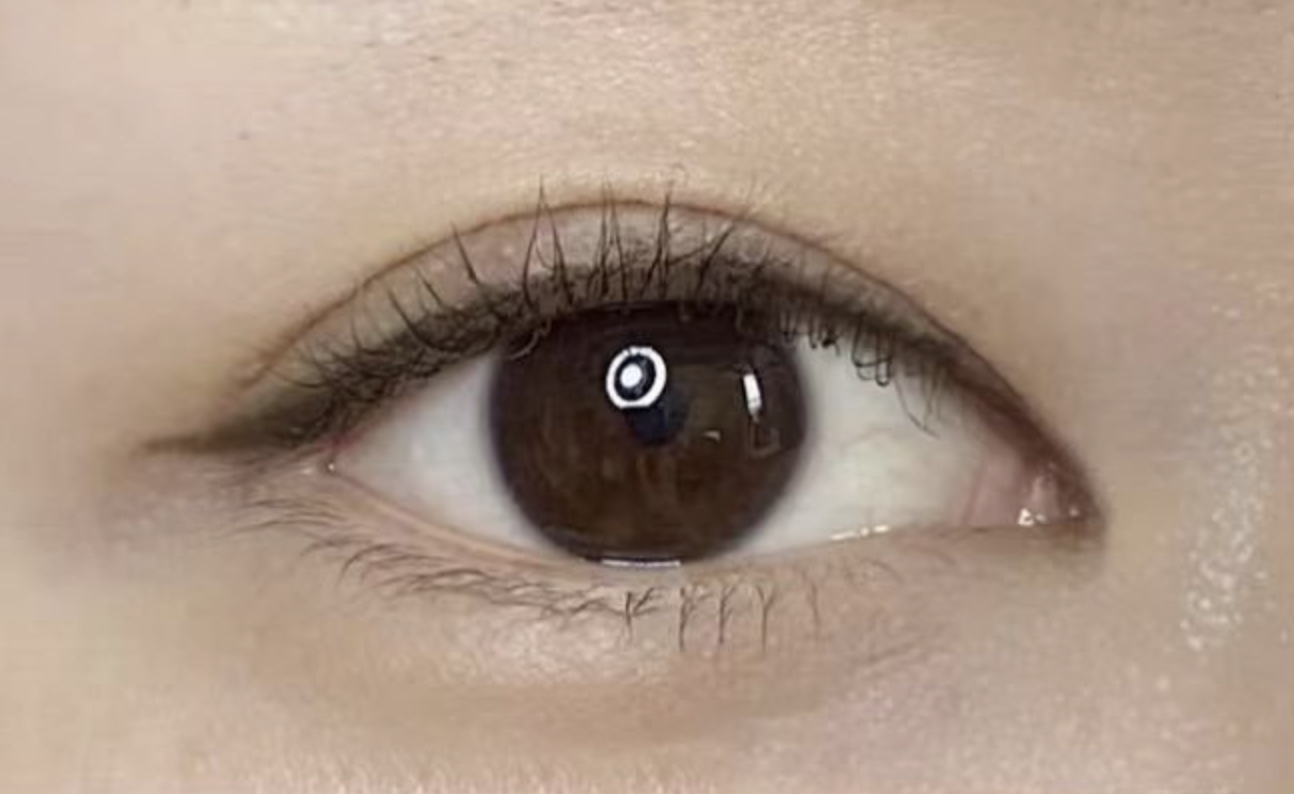
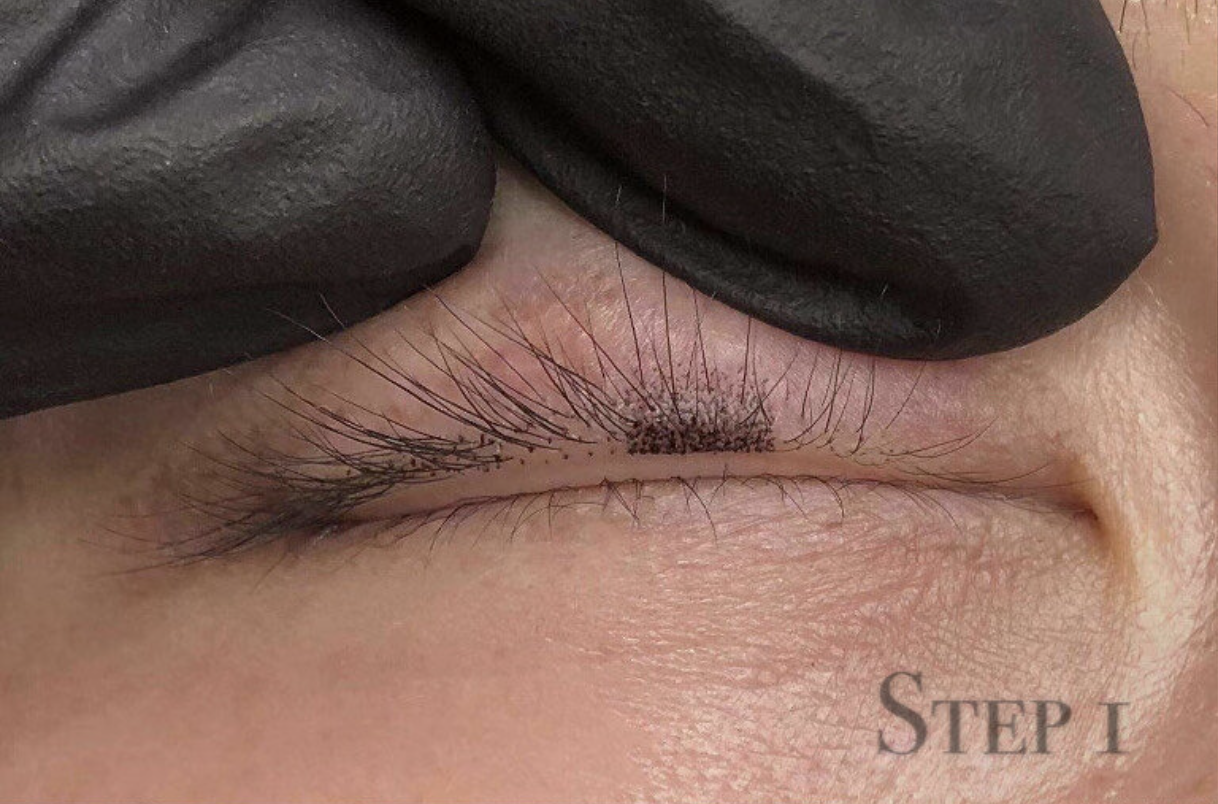
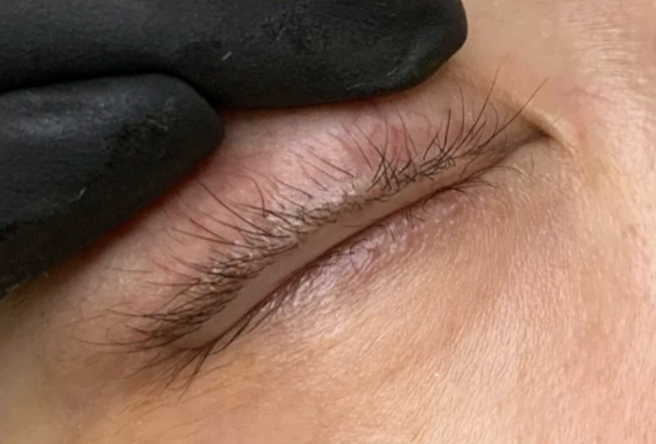
When eyeliner appears excessively dark, heavy, or visually overpowering, the issue is rarely the colour itself. In most long-term cases, the underlying cause is density overload — a condition where too much pigment has been implanted into a confined periocular zone, often at an inappropriate depth. Over time, this excess density amplifies diffusion, dulls edge clarity, and creates a shadowed appearance that no longer aligns with the original design.
At The Brow & Beauty Boutique, overly dark eyeliner is treated as a technical and biological issue, not an aesthetic mistake. Correction begins by understanding how pigment density behaves in the periocular region and why adding more pigment almost always makes the problem worse.
What Density Overload Really Means in Periocular Micropigmentation
Density overload occurs when pigment saturation exceeds what the eyelid tissue can stabilise over time. This may happen because of repeated touch-ups, deep dermal placement, or older techniques that prioritised boldness over longevity.
In the periocular region, excess pigment density leads to several predictable outcomes:
Loss of a clean eyelid margin due to edge instability
Increased diffusion artefacts as pigment disperses laterally
Visual heaviness, even when eyeliner shape is technically correct
Apparent darkening caused by cumulative pigment layers
Importantly, the eyeliner may appear darker years later than it did initially. This is not because the pigment has intensified, but because accumulated density and diffusion reduce light reflection, creating a shadowed effect.
Why “Lightening With More Ink” Fails
A common but flawed response to dark eyeliner is to add lighter pigment or rework the shape. In periocular tissue, this increases saturation and often pushes existing pigment deeper, worsening density overload and accelerating migration.
Medical-led correction avoids this entirely. Instead of covering or re-tattooing, the focus is controlled periocular pigment reduction, allowing excess density to be reduced gradually while preserving tissue integrity and ocular safety.
This approach is detailed in the clinic’s resource on professional eyeliner colour correction in Singapore, which explains how correction strategies are chosen based on pigment behaviour rather than surface appearance alone.
How Medical-Led Correction Addresses Excess Density
Correction for density overload follows an incremental protocol, not a single-session promise. The goal is to reduce pigment load without provoking unnecessary inflammation in a highly sensitive area.
A typical correction pathway involves:
Assessing pigment depth, layering history, and spread pattern
Identifying whether reduction should be partial or staged
Allowing tissue recovery between sessions to stabilise results
Re-evaluating visual balance before any refinement is considered
By respecting biological timelines, this method restores clarity while minimising the risk of post-inflammatory response or unintended chromatic shifts.
Begin With a Density Assessment, Not Assumptions
Every case of dark eyeliner behaves differently. What appears too intense on one client may be structurally stable, while another may show clear signs of density overload and diffusion.
A professional consultation allows your specialist to determine whether pigment reduction is appropriate and how it should be sequenced.
Book a professional eyeliner correction consultation to receive an assessment grounded in anatomy, pigment science, and long-term periocular safety.
When Eyeliner Embroidery Becomes Appropriate Again
Once excess density has been reduced and the periocular tissue has stabilised, some clients choose to reintroduce eyeliner definition. This step is optional and only considered after correction goals have been achieved.
Modern eyeliner embroidery focuses on superficial dermal placement, controlled saturation, and anatomical alignment with the eyelid margin. The intention is to restore definition without recreating the density issues of the past.
Clients exploring this option may review the clinic’s eyeliner embroidery services in Singapore, including refined approaches such as baby eyeliner for subtle lash enhancement or classic eyeliner for structured yet balanced definition.
Supporting Periocular Recovery During Density Correction
Reducing pigment density is only part of the correction process. Supporting periocular skin health between sessions improves comfort, healing predictability, and overall outcomes.
Many clients incorporate supportive care such as the La Dermalogique Eye Spa – Iris Clarity treatment, which focuses on calming the eye area and supporting barrier integrity without interfering with correction protocols.
Restoring Balance Without Overcorrection
Eyeliner that looks too dark is rarely permanent, but it does require judgement, restraint, and medical awareness to correct safely. With controlled pigment reduction and thoughtful sequencing, clarity and balance can be restored without compromising eye health.
Schedule your eyeliner correction consultation to begin a correction journey built on safety, precision & long-term results.