Even Long-Standing Eyeliner Tattoos Can Be Corrected With a Structured Medical Process
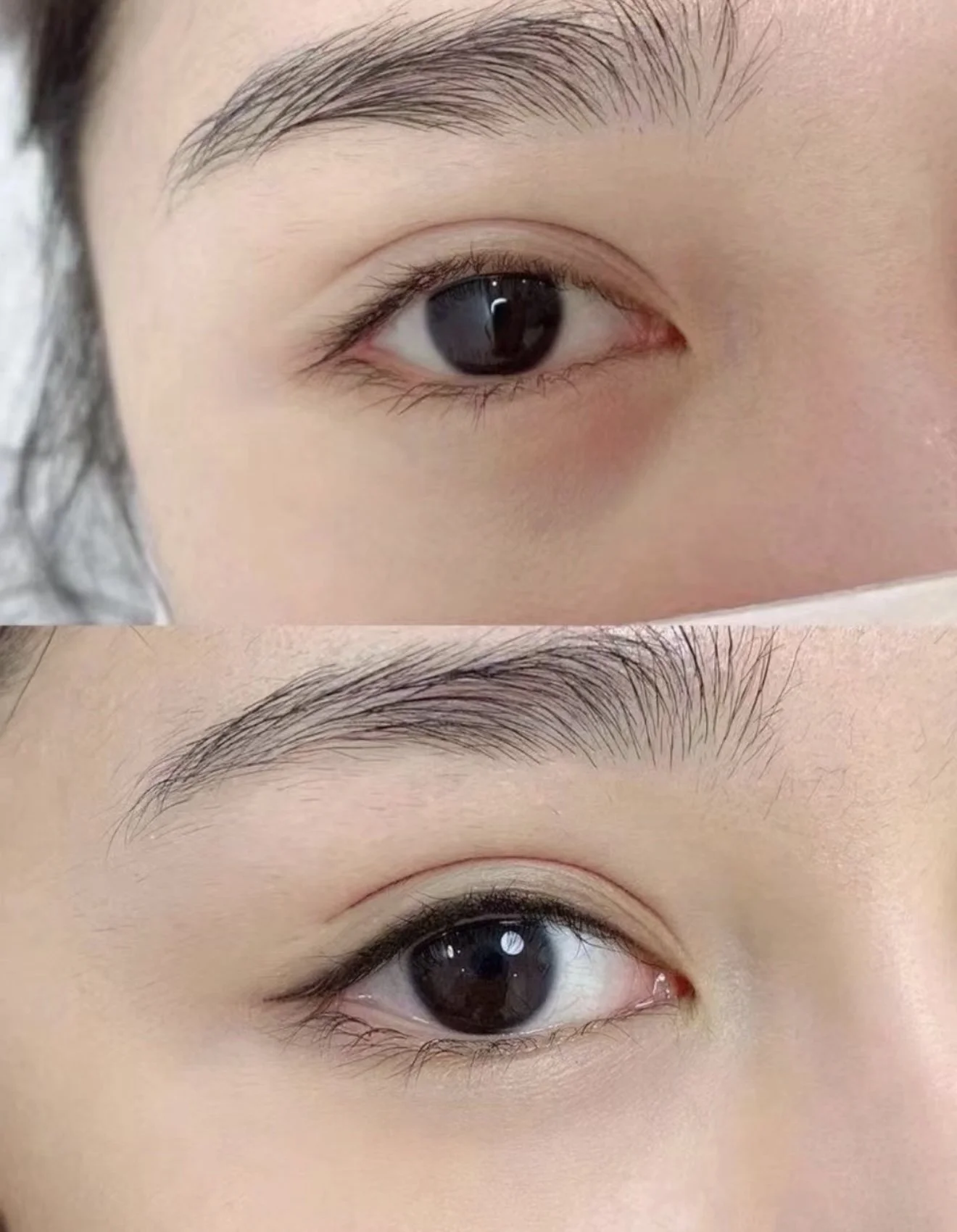
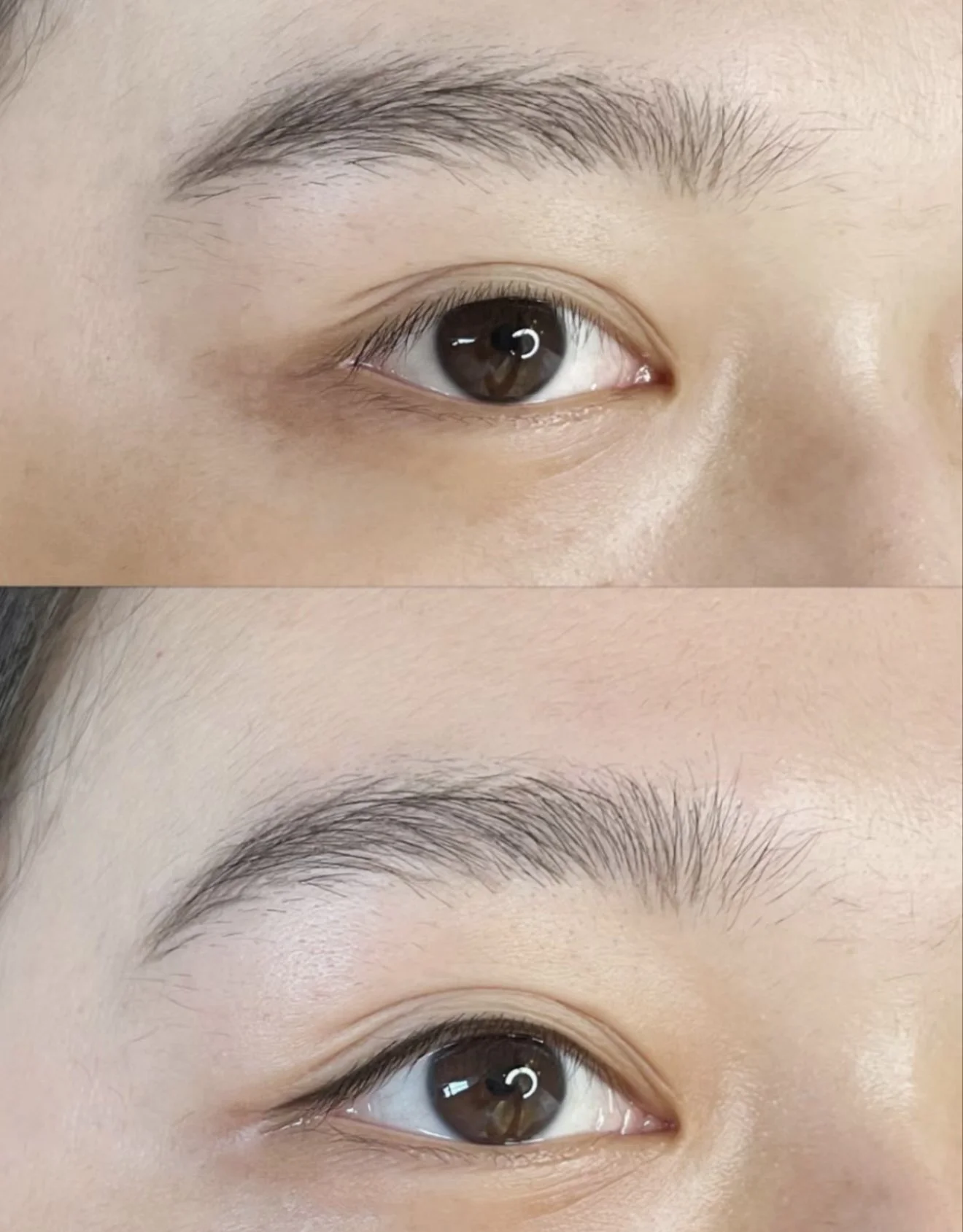

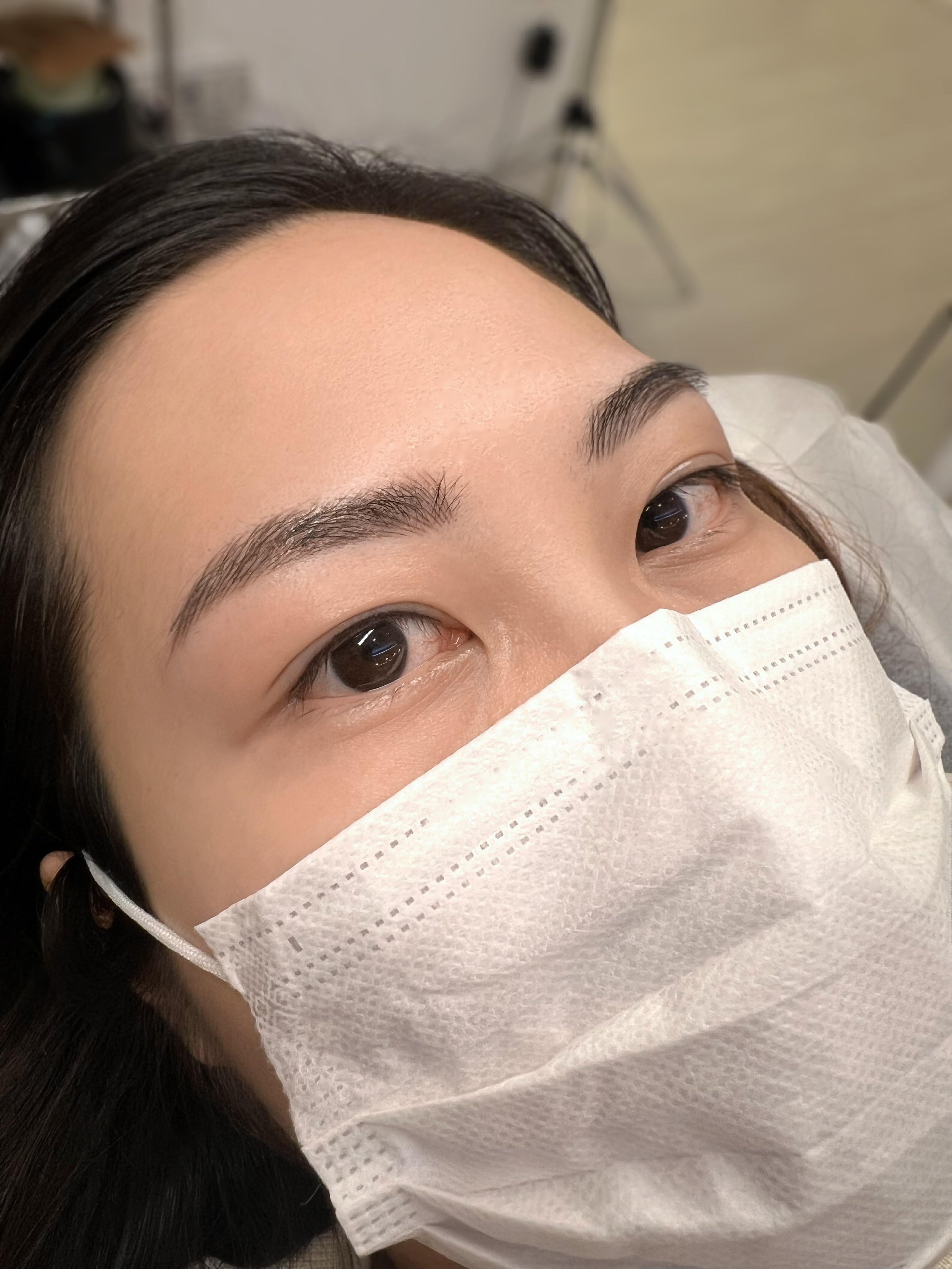
Eyeliner tattoos performed many years ago often present with challenges that did not exist at the time of application. Pigment may have darkened, blurred, migrated, or altered in tone, creating a heavier or uneven appearance that no longer aligns with the eye’s natural anatomy. In professional practice, these changes are not unusual. They reflect long-term pigment behaviour, depth-related instability, and tissue response over time, rather than a single mistake or poor aftercare.
At The Brow & Beauty Boutique, long-standing eyeliner tattoos are corrected through a structured, medical-led process. This approach prioritises periocular safety, realistic sequencing, and controlled correction over quick cosmetic fixes.
Why Old Eyeliner Tattoos Change Over Time
Earlier generations of eyeliner tattooing often used pigment formulations and implantation techniques that differ significantly from modern standards. Many were placed deeper in the dermis, with higher saturation, to ensure longevity. While this achieved durability, it also increased the likelihood of migration, diffusion, and chromatic shift years later.
Common long-term changes include:
Pigment migration, causing eyeliner to appear thicker or closer to the eye
Diffusion artefacts, where edges soften and lose definition
Chromatic shift, with black pigment appearing grey, blue, or muted
Asymmetry, as each eyelid responds differently over time
These changes usually occur gradually, which is why clients may live with them for years before seeking correction. Importantly, age alone does not make eyeliner uncorrectable. It simply means the process must be approached with greater care and medical judgement.
Why Long-Standing Eyeliner Requires a Medical-Led Strategy
The periocular region is one of the most delicate areas for pigment correction. The eyelid skin is thin, highly vascularised, and in constant motion. Aggressive techniques designed for other facial areas can compromise barrier integrity or provoke unnecessary inflammation near the eye.
A medical-led correction strategy focuses on:
Assessing pigment depth and spread rather than assuming uniform behaviour
Respecting periocular safety zones and ocular proximity risk
Choosing controlled pigment lightening over forceful removal
Allowing tissue to stabilise between stages
This philosophy is outlined in the clinic’s approach to professional eyeliner colour correction in Singapore, where safety, predictability, and long-term eye health guide every decision.
Assessment Comes Before Correction
Correcting eyeliner that has been in place for many years begins with assessment, not treatment. A structured evaluation considers pigment density, implantation depth, diffusion patterns, eyelid anatomy, and healing capacity.
In many cases, full removal is neither necessary nor advisable. Instead, targeted reduction or staged lightening may be sufficient to restore balance and clarity without destabilising the eyelid tissue. This measured approach reduces the risk of post-inflammatory response and preserves future correction options.
Start With a Professional Eyeliner Correction Assessment
Because no two long-standing eyeliner tattoos behave the same way, correction should never be assumed. A consultation allows your specialist to explain what can be improved safely, what should be left untouched for now, and how many stages may be required.
Book an eyeliner correction consultation to receive an assessment grounded in anatomy, pigment science, and long-term eye health.
Controlled Correction as a Staged Process
Medical-led eyeliner correction is intentionally incremental. Rather than attempting to resolve years of pigment behaviour in a single session, correction is performed in stages, with adequate recovery time between each step.
This structured process:
Reduces cumulative trauma to the eyelid
Allows pigment response to be observed safely
Improves predictability of outcomes
Maintains periocular comfort throughout treatment
Clients are guided through realistic timelines, ensuring expectations align with biological healing rather than cosmetic urgency.
When Refinement With Eyeliner Embroidery Becomes Appropriate
Once long-standing pigment has been stabilised and excess density reduced, some clients choose to refine their eyeliner using modern embroidery techniques. This step is optional and only considered when the periocular environment is stable.
Contemporary approaches prioritise superficial dermal placement, lighter saturation, and anatomical alignment with the eyelid margin. The aim is to restore definition that ages predictably with the skin.
Clients exploring this option may review eyeliner embroidery services in Singapore, including refined techniques such as baby eyeliner for subtle enhancement or classic eyeliner for balanced structure. These options are always sequenced after correction, never used to conceal unresolved issues.
Supporting Periocular Skin Health During Correction
Long-standing eyeliner often coincides with reduced periocular skin resilience. Supporting hydration, circulation, and barrier integrity can improve comfort and recovery between correction stages.
Many clients incorporate supportive care such as the La Dermalogique Eye Spa – Iris Clarity treatment. This focuses on periocular calmness and clarity, complementing correction work without interfering with pigment protocols.
A Structured Path Forward
Even eyeliner tattoos done many years ago can be corrected safely when approached with medical judgement, controlled technique, and thoughtful sequencing. The key is not speed, but structure.
Schedule your professional eyeliner correction consultation to begin a correction journey built on safety, clarity & long-term confidence.