Correcting Dermal Density Reduction in Skin That Feels Thinner Over Time


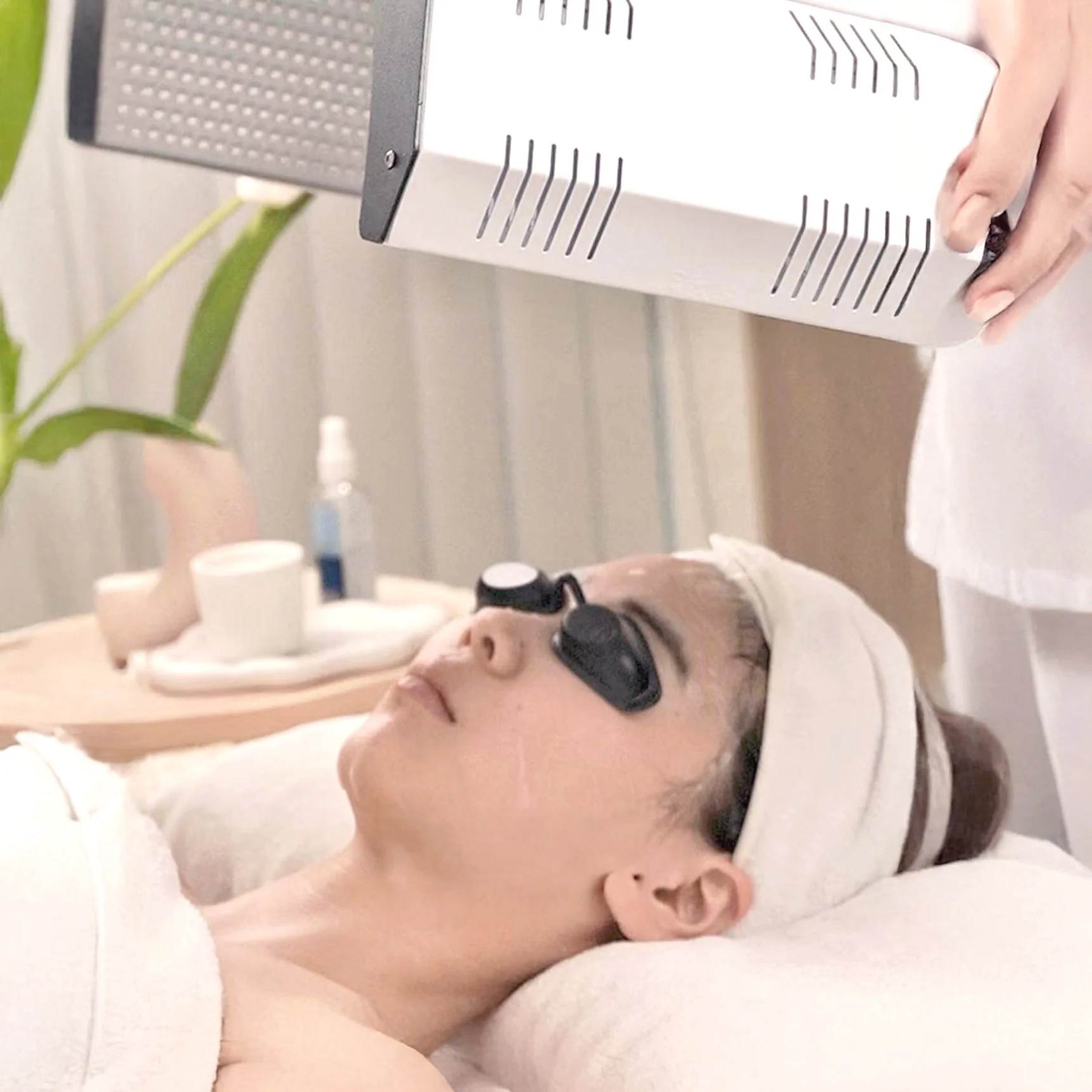
Skin that feels progressively thinner, more fragile, or less resilient over time often signals dermal density reduction rather than surface aging alone. Clients may notice that their skin bruises more easily, appears less supported, or no longer “bounces back” the way it once did. These changes reflect gradual alterations within the dermal layer—specifically reduced collagen density, weakened extracellular matrix (ECM) structure, and diminished fibroblast activity.
At The Brow & Beauty Boutique, dermal thinning is addressed through structured skin management, not aggressive thickening or forceful stimulation. The goal is to restore structural support gradually, allowing the skin to regain density and strength without compromising barrier integrity or increasing inflammatory load.
Clients can explore this structural-first approach through our Skin Management & Anti-Aging framework, which focuses on long-term dermal health rather than surface correction.
Understanding Why Skin Feels Thinner With Age
Dermal density naturally declines with time due to collagen degradation, elastin fragmentation, and reduced ECM organisation. As fibroblast efficiency decreases, the skin produces structural proteins more slowly and with less consistency. This leads to reduced cushioning, increased translucency, and a sensation of fragility beneath the surface.
Importantly, dermal thinning does not always present with visible wrinkles early on. Many clients experience the feel of thinning before they see obvious signs, making early intervention particularly valuable.
Why Aggressive Thickening Strategies Can Backfire
In response to thinning, many treatments aim to stimulate the skin intensely in hopes of forcing density restoration. While short-term plumping may occur, repeated high-intensity stimulation can increase inflammatory stress and impair long-term recovery—especially in skin that is already fragile.
Skin management takes a more sustainable approach. Instead of forcing rapid change, it supports controlled dermal stimulation paired with adequate recovery, allowing fibroblast activity and tissue remodelling to progress without overwhelming the skin.
Clients concerned about thinning skin are encouraged to begin with an Initial Skin Management Consultation, where dermal condition, tolerance thresholds, and realistic timelines are assessed before treatment planning.
Restoring Density Through Progressive Conditioning
Correcting dermal density loss is a cumulative process. Skin management focuses on sequencing treatments to encourage gradual strengthening of the dermal matrix while preserving epidermal stability. This allows collagen support to rebuild incrementally, improving resilience and mechanical strength over time.
Rather than chasing immediate volume, treatments are selected to improve how the skin functions—resulting in density that feels natural and remains stable between sessions.
Clients seeking steady improvement without increased sensitivity often benefit from a Progressive Skin Conditioning Session, designed to support dermal renewal while respecting recovery cycles.
When Thinning Skin Signals Structural Fatigue
Dermal thinning is often accompanied by subtle cues: makeup settling differently, increased translucency, or skin feeling delicate during cleansing. These signs suggest that the skin’s structural reserve is diminishing, even if surface texture appears relatively smooth.
Addressing density loss at this stage allows skin management to rebuild support before fragility becomes pronounced. Early, conservative intervention often leads to more stable outcomes than reactive correction later.
Clients unsure whether their concerns reflect dermal thinning or surface aging can consult our frequently asked questions, which explain how structural changes influence skin behaviour.
Long-Term Outcomes of Density-Focused Skin Management
As dermal density improves, clients often notice enhanced resilience, better contour support, and skin that feels stronger to the touch. Importantly, these changes develop gradually, preserving natural expression and comfort throughout the process.
Many clients share these experiences through our customer stories, where improved skin strength and stability are often described as the most meaningful outcomes. The philosophy behind this conservative approach is also reflected in our story, which prioritises long-term skin health over short-term trends.
The La Dermalogique Perspective: Supporting Structural Skin Strength
Dermal density restoration is further supported through collaboration with our sister brand, La Dermalogique. Their treatments focus on advanced conditioning, microcirculatory support, and regenerative signalling—key components in maintaining and rebuilding dermal structure without aggressive intervention.
The La Dermalogique Signature Skin Treatment is particularly beneficial for skin experiencing thinning alongside sensitivity, as it supports tissue conditioning without compromising recovery. For clients seeking enhanced contour definition while preserving skin integrity, Signature Glow-Up Contouring provides non-ablative structural support.
These treatments integrate seamlessly with long-term skin management protocols focused on restoring density and resilience.
Rebuilding Dermal Strength With Informed Skin Management
Skin that feels thinner over time is not beyond repair—it requires informed support rather than force. With proper assessment, conservative sequencing, and respect for recovery, dermal density can be restored gradually and sustainably.
Clients ready to address thinning skin at its structural source can book a Comprehensive Skin Management Session, where treatment planning is guided by skin behaviour rather than assumptions.