Can You Redo Eyeliner Without Making It Worse? Yes, With Proper Sequencing of Correction and Embroidery

Redoing eyeliner is one of the most anxiety-inducing decisions for clients with existing periocular pigment. Many have been told conflicting advice, from “just tattoo over it” to “nothing can be done now.” Medically and technically, both extremes are inaccurate. Eyeliner can be redone safely and predictably, but only when correction and embroidery are sequenced correctly.
At The Brow & Beauty Boutique, redo eyeliner is never treated as a single procedure. It is a staged clinical process that first stabilises pigment behaviour, then restores definition using modern, controlled techniques. When this sequence is respected, redo eyeliner does not make things worse. When it is ignored, it almost always does.
Why Redoing Eyeliner Often Goes Wrong
The periocular region has very little margin for technical error. Eyelid skin is thin, mobile, and highly reactive. When existing eyeliner already shows signs of diffusion, density overload, or chromatic shift, adding new pigment immediately introduces further instability.
Most failed redo attempts share the same underlying issues:
Existing pigment has not been stabilised
Pigment depth is already too deep or uneven
Additional ink increases density overload
New pigment pushes older pigment further into unstable tissue
This is why clients often report that redo eyeliner looks darker, thicker, or more blurred within months. The problem is not the act of redoing eyeliner. The problem is skipping correction and sequencing.
Correction Must Come Before Redefinition
Medical-led eyeliner correction is designed to address pigment behaviour, not just appearance. Before any new eyeliner is considered, existing pigment must be assessed for depth, spread pattern, and residual density.
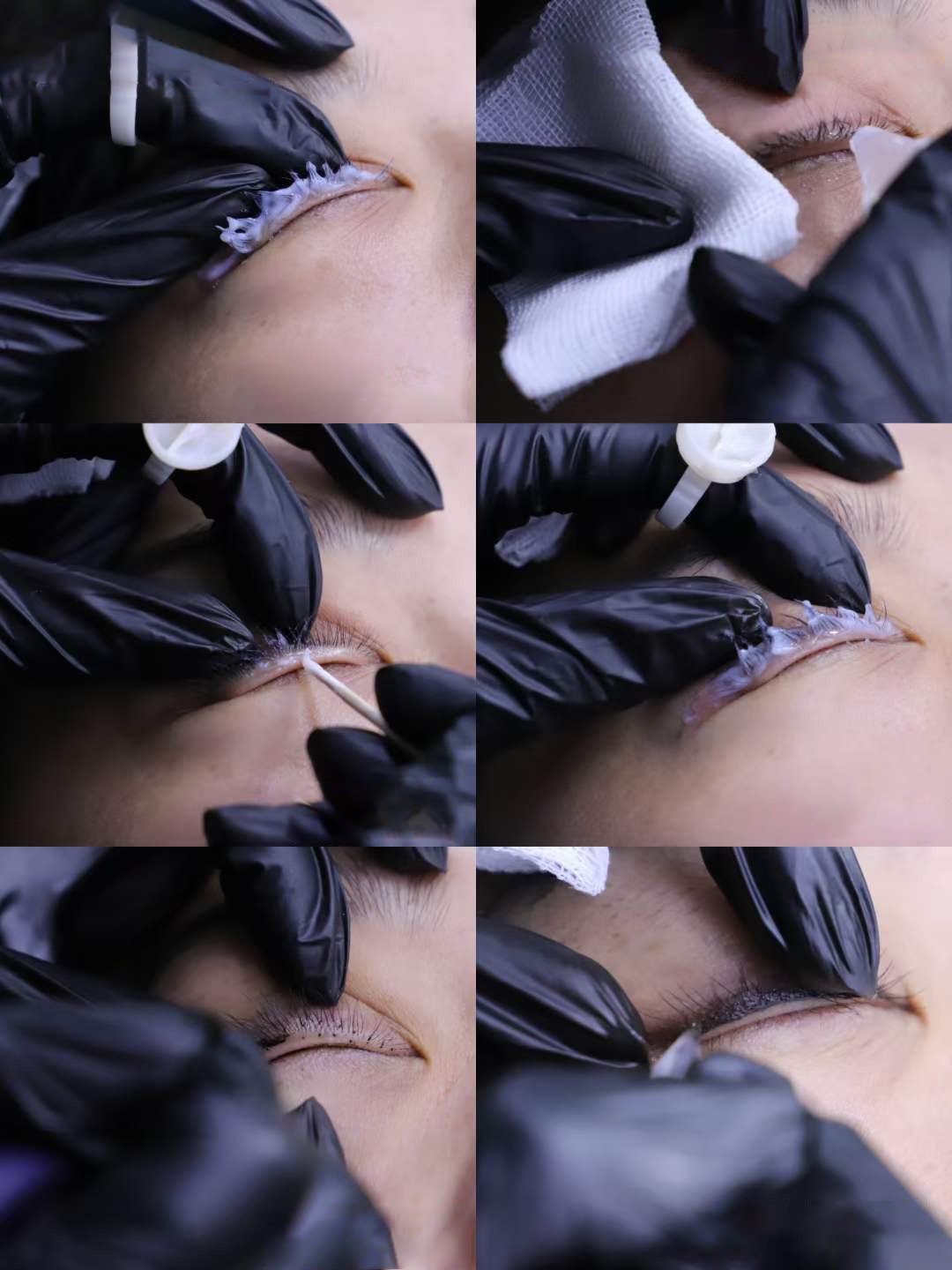
In many cases, the correct first step is controlled periocular pigment reduction, not re-implantation. This process gradually reduces excess or migrated pigment while allowing the tissue to stabilise between sessions. It protects barrier integrity and minimises ocular proximity risk.
The rationale behind this approach is explained in the clinic’s resource on professional eyeliner colour correction in Singapore, which outlines why conservative correction leads to more predictable long-term outcomes than aggressive removal or cover-ups.
Sequencing: The Difference Between Improvement and Regression
Proper sequencing follows a clear logic:
First, existing pigment is assessed and stabilised.
Second, excess density or diffusion artefacts are reduced incrementally.
Only then is the periocular tissue considered ready for redefinition.
This staged approach allows the specialist to observe how pigment responds biologically, rather than forcing a cosmetic outcome prematurely. It also reduces the risk of post-inflammatory response and unintended colour shifts.
Redo eyeliner that respects this sequence almost always looks lighter, cleaner, and more refined than the original. Redo eyeliner that ignores it typically compounds the problem.
Start With a Professional Eyeliner Assessment
Every redo case is different. Pigment age, previous techniques, skin reactivity, and eyelid anatomy all influence what can be corrected safely and when embroidery can be reintroduced.
A consultation allows your specialist to explain whether correction is required first, how many stages may be involved, and what realistic outcomes look like for your specific case.
Book a professional eyeliner correction consultation to receive an assessment based on anatomy and pigment science rather than assumptions.
When Eyeliner Embroidery Becomes Safe Again
Once pigment behaviour has stabilised, modern eyeliner embroidery can be used to restore definition without recreating past problems. Contemporary techniques differ significantly from older methods that relied on heavy saturation or deep placement.
Modern embroidery prioritises:
Superficial dermal placement
Controlled, lighter saturation
Anatomical alignment with the eyelid margin
Long-term stability over immediate boldness
Clients exploring this stage can review the clinic’s overview of eyeliner embroidery services in Singapore. Depending on anatomy and goals, refined options may include baby eyeliner for subtle lash enhancement or classic eyeliner for structured but balanced definition.
These are never used to mask unresolved correction issues. They are applied only when the tissue is ready.
Supporting the Periocular Region During Sequenced Correction
Successful redo eyeliner depends not only on pigment management but also on how well the periocular skin recovers between stages. Supporting circulation, hydration, and barrier function improves comfort and predictability.
Many clients incorporate supportive care such as the La Dermalogique Eye Spa – Iris Clarity treatment during their correction journey. This helps maintain periocular calmness and tissue resilience without interfering with correction protocols.
Redoing Eyeliner the Right Way
Redoing eyeliner does not have to mean making it worse. When correction and embroidery are sequenced properly, it becomes a controlled, predictable process rather than a risk.
The key is patience, professional judgement, and respect for periocular anatomy.
Schedule your eyeliner correction consultation to begin a redo journey built on safety, clarity & long-term confidence.