Addressing Oxidative Stress Accumulation in Prematurely Aged Skin


Premature skin aging is often misunderstood as a purely cosmetic issue. In reality, it is frequently driven by oxidative stress accumulation—a biological imbalance where free radical activity overwhelms the skin’s natural antioxidant and repair systems. At The Brow & Beauty Boutique, this process is addressed through structured skin management, focusing on restoring balance rather than aggressively chasing visible change.
Oxidative stress does not appear overnight. It builds gradually through daily environmental exposure, chronic inflammation, ultraviolet radiation, pollution, lifestyle stressors, and disrupted skin barrier function. Over time, this accumulation compromises collagen integrity, weakens elastin fibres, slows cellular turnover, and accelerates visible aging.
Clients seeking a deeper understanding of how these mechanisms are managed clinically can begin with our Skin Management & Anti-Aging framework, which focuses on long-term skin behaviour rather than short-term correction.
How Oxidative Stress Alters Skin Ageing Patterns
Free radicals are unstable molecules that damage cellular structures when left unchecked. In the skin, this damage affects lipid membranes, DNA integrity, and the extracellular matrix. When antioxidant defences and repair pathways fail to keep pace, the result is premature aging that often presents as dullness, uneven tone, textural roughness, and loss of firmness.
Importantly, oxidative stress also disrupts fibroblast signalling, reducing the skin’s ability to produce well-organised collagen. This means that even clients who invest heavily in treatments may see diminishing returns if oxidative load is not addressed first.
Skin management approaches this problem by prioritising barrier repair, inflammation control, and controlled stimulation—creating an environment where the skin can recover its regenerative capacity.
Assessment-Led Care: Identifying Oxidative Overload
Not all prematurely aged skin looks the same. Some clients present with dehydration and dullness, while others experience sensitivity, persistent redness, or pigment irregularities. These differences reflect how oxidative stress interacts with individual skin biology.
At The Brow & Beauty Boutique, treatment planning begins with a structured assessment to identify whether oxidative overload, barrier compromise, or inflammatory signalling is the dominant factor. This avoids the common mistake of applying stimulating treatments to skin that first needs stabilisation.
Clients can begin this process by booking an Initial Skin Management Consultation, where oxidative stress markers and skin tolerance thresholds are evaluated before intervention.
Why Aggressive Treatments Often Fail Oxidatively Stressed Skin
A common misconception is that prematurely aged skin requires stronger or more frequent treatments. In reality, excessive stimulation can worsen oxidative damage by increasing inflammatory load and delaying barrier recovery.
When skin is already under oxidative strain, aggressive resurfacing or high-frequency treatments may temporarily improve appearance but ultimately accelerate fatigue. Skin management avoids this cycle by introducing stimulation only when the skin is biologically ready to respond.
Clients who benefit most from this approach are those who have experienced treatment plateaus, post-treatment sensitivity, or unpredictable results elsewhere.
Reconditioning Skin Through Controlled Sequencing
Effective oxidative stress management relies on sequencing, not intensity. Treatments are timed to support antioxidant recovery, reinforce the epidermal barrier, and gradually reintroduce regenerative signals.
Clients seeking ongoing improvement without overwhelming their skin often choose a Progressive Skin Conditioning Session. These sessions are designed to support cumulative dermal repair while respecting recovery cycles, allowing skin resilience to rebuild over time.
This structured pacing is what differentiates skin management from conventional anti-aging protocols.
Addressing Related Concerns Linked to Oxidative Stress
Oxidative stress rarely exists in isolation. It is often associated with concerns such as uneven texture, recurring congestion, milia formation, and impaired healing response. These are not treated as separate problems but as interconnected signs of compromised skin regulation.
For example, recurring milia may reflect slowed cellular turnover caused by oxidative interference rather than surface-level congestion alone. Addressing oxidative load as part of a comprehensive skin management plan often leads to more stable improvement across multiple concerns.
Clients exploring whether this approach suits their skin can review our frequently asked questions, which explain how treatment pathways are determined and adjusted.
The La Dermalogique Perspective: Supporting Antioxidant Recovery
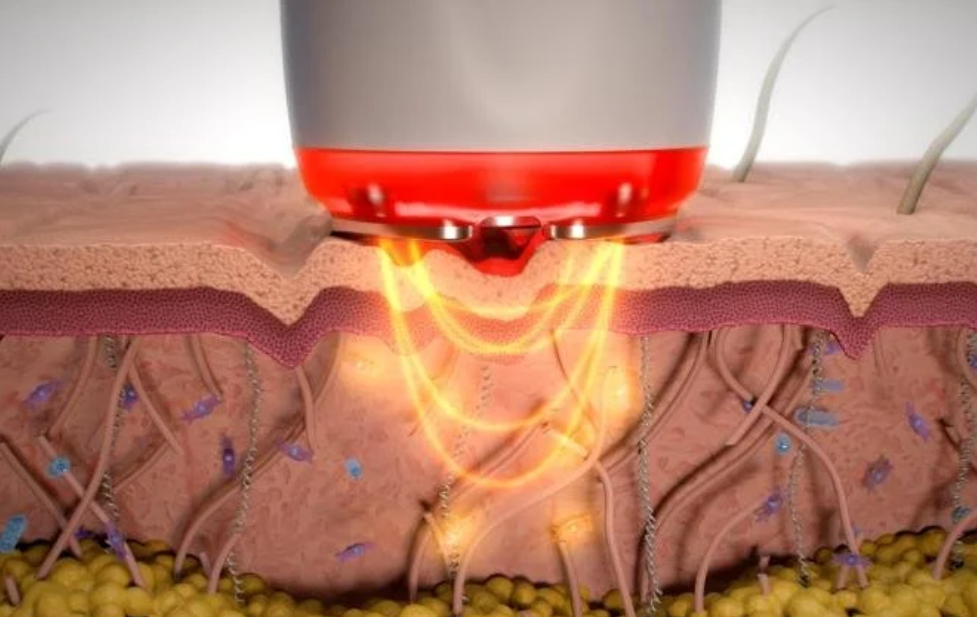
Advanced skin conditioning plays a critical role in managing oxidative stress. Through our collaboration with La Dermalogique, clients gain access to treatments that support microcirculation, cellular oxygenation, and regenerative signalling without compromising barrier integrity.
Treatments such as the La Dermalogique Signature Skin Treatment and Signature Glow-Up Contouring are particularly effective for skin showing early fatigue, dullness, or stress-related aging patterns. These non-ablative approaches complement long-term skin management by enhancing recovery rather than forcing change.
Setting Realistic Expectations for Oxidative Repair
Oxidative stress cannot be reversed overnight. Improvement occurs as antioxidant balance is restored, inflammatory signalling settles, and dermal repair pathways resume function. This process is gradual but stable when guided correctly.
Clients often report that their skin feels calmer, brighter, and more resilient—not abruptly transformed, but consistently improved. These experiences are reflected in our customer stories, which emphasise trust, continuity, and long-term skin health.
Those interested in the philosophy guiding this conservative, evidence-led approach can also explore our story.
Beginning a Structured Approach to Oxidative Skin Aging
For clients experiencing premature aging linked to stress, environment, or treatment fatigue, skin management offers a clinically grounded pathway forward. By addressing oxidative accumulation first, the skin is given the opportunity to respond predictably and sustainably to anti-aging care.
Clients ready to proceed can book a Comprehensive Skin Management Session, where treatment decisions are guided by skin biology—not trends.