Restoring Epidermal Barrier Function in Skin That No Longer Holds Hydration
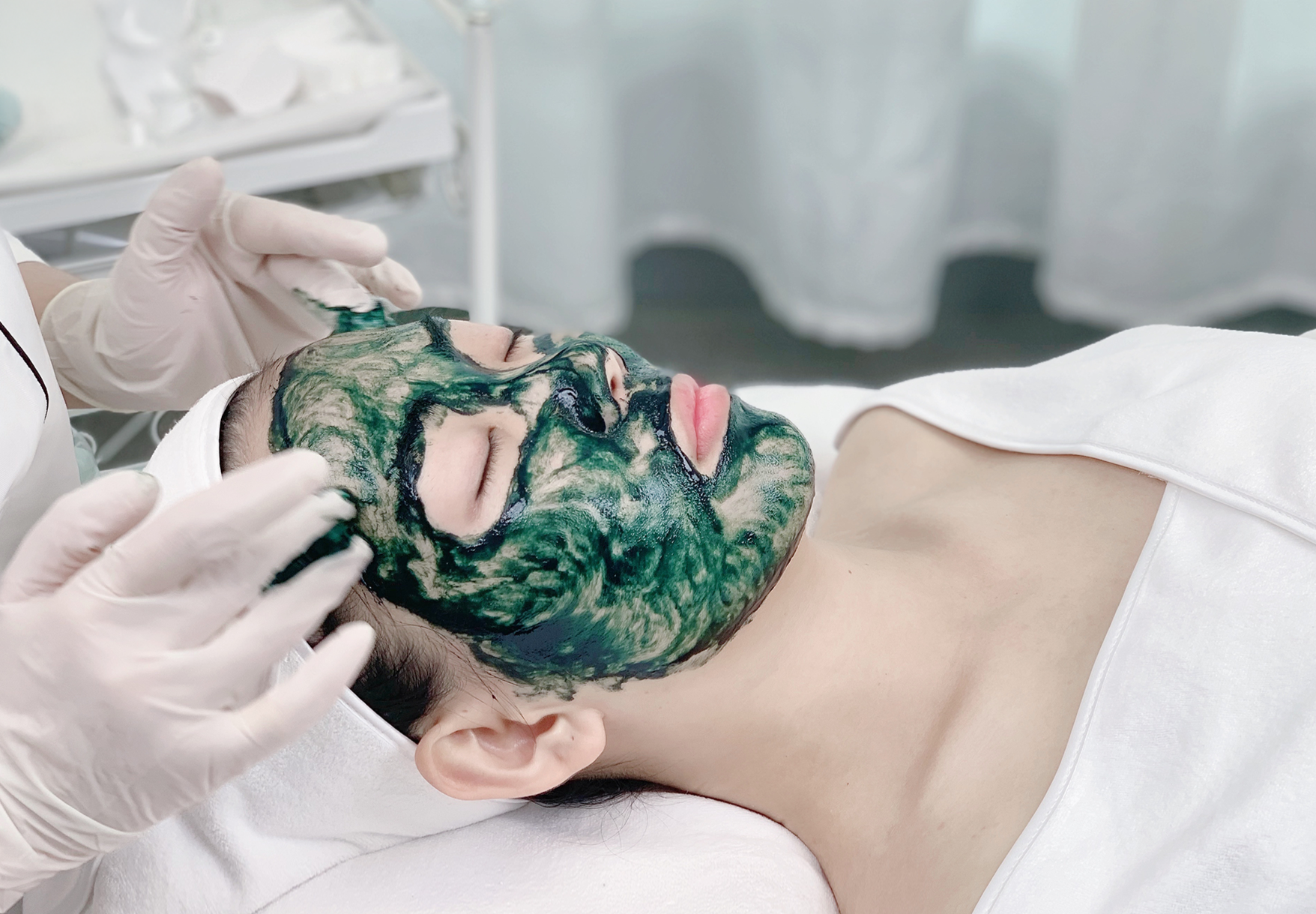
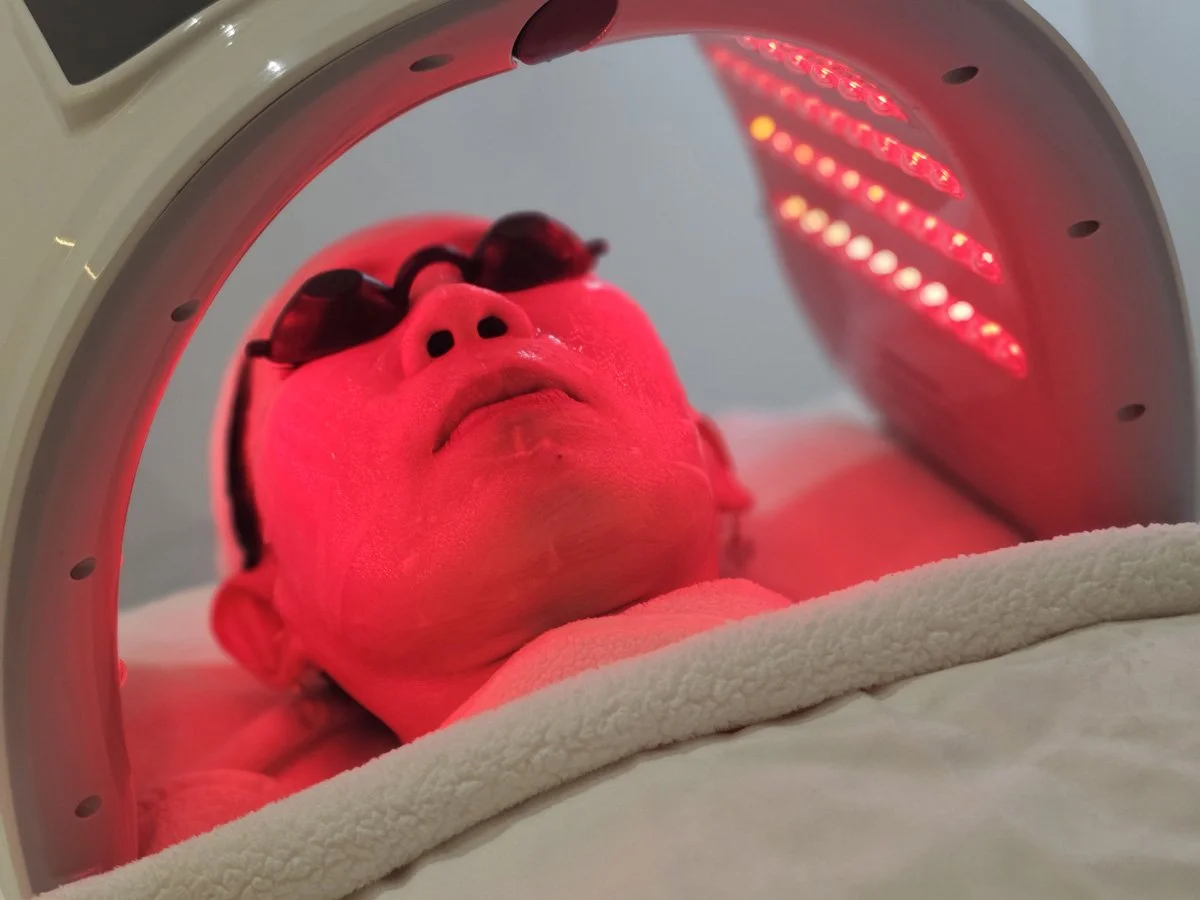


When skin feels persistently dry despite using quality products, the issue is rarely a lack of moisture alone. More often, it reflects compromised epidermal barrier function—the skin’s ability to retain hydration, regulate transepidermal water loss (TEWL), and protect itself from environmental stressors. At The Brow & Beauty Boutique, restoring barrier integrity is a foundational component of skin management, particularly for clients whose skin no longer responds predictably to topical hydration.
Barrier impairment is not always dramatic. In many cases, the skin appears superficially normal while quietly losing its ability to maintain hydration balance, resulting in tightness, sensitivity, uneven texture, or chronic dullness. Addressing this requires structured skin management rather than repeated product changes or aggressive treatments.
Clients can learn more about this evidence-led approach through our Skin Management & Anti-Aging framework, which prioritises skin function before visible correction.
Understanding Why Skin Stops Holding Hydration
The epidermal barrier relies on an organised lipid matrix, healthy keratinocyte turnover, and stable intercellular cohesion. When this system is disrupted—through over-exfoliation, chronic inflammation, environmental exposure, or cumulative treatment fatigue—TEWL increases, and hydration escapes faster than it can be replenished.
Clients often describe this as skin that feels dry shortly after applying products, reacts easily, or fluctuates between oiliness and dehydration. These symptoms indicate barrier dysregulation rather than simple dryness. Without restoring barrier integrity, even high-quality skincare struggles to perform effectively.
Why Hydration Alone Is Not the Solution
A common misconception is that dehydrated skin needs richer creams or more frequent masking. While these may provide temporary comfort, they do not correct the underlying barrier impairment. In some cases, excessive occlusion or active layering can further stress already compromised skin.
Skin management focuses instead on stabilising barrier function first—reducing inflammatory signalling, supporting controlled cellular turnover, and allowing the epidermis to regain homeostasis. Once the barrier is functional again, hydration becomes easier to maintain and far more stable.
Clients experiencing persistent dehydration are encouraged to begin with an Initial Skin Management Consultation, where barrier health, tolerance thresholds, and treatment history are assessed before any intervention is recommended.
The Role of Controlled Stimulation and Recovery
Barrier restoration does not mean avoiding all stimulation. Instead, it requires controlled stimulation paired with adequate recovery. When treatments are properly sequenced, they can encourage regenerative signalling, support microcirculation, and improve epidermal cohesion without triggering inflammatory rebound.
At The Brow & Beauty Boutique, skin that struggles to hold hydration is managed conservatively. Treatments are selected based on the skin’s current tolerance rather than its ideal end state. This prevents over-management and allows barrier recovery to occur alongside gradual dermal conditioning.
Clients who prefer a structured yet gentle approach often benefit from a Progressive Skin Conditioning Session, which supports hydration retention through cumulative improvement rather than intensity.
Common Triggers of Barrier Breakdown
Barrier impairment rarely has a single cause. It often develops gradually due to repeated low-grade stressors, including excessive exfoliation, frequent device-based treatments, climate exposure, or inconsistent aftercare. Even well-intentioned skincare routines can contribute if they exceed the skin’s recovery capacity.
For clients who have tried multiple facials, actives, or devices without lasting improvement, the issue is often not resistance—but fatigue. Skin management reframes the goal from “doing more” to restoring predictability and resilience.
Those seeking clarity on how past treatments may have affected their skin can refer to our frequently asked questions, which explain how skin tolerance and recovery influence outcomes.
Long-Term Benefits of Barrier Restoration
When epidermal barrier function improves, clients often notice changes beyond hydration alone. Skin becomes less reactive, texture smooths, and tone appears more even. Importantly, the skin begins to respond more reliably to both treatments and home care.
Many clients share these experiences through our customer stories, highlighting how stabilising the barrier allowed their skin to improve steadily rather than unpredictably.
Understanding the philosophy behind this conservative, function-first approach is also part of our story, which reflects our commitment to long-term skin health over short-term trends.
The La Dermalogique Perspective: Supporting Barrier Recovery Through Conditioning
Barrier restoration is further supported through collaboration with our sister brand, La Dermalogique. Their treatments emphasise advanced skin conditioning, regenerative signalling, and microcirculatory support—key elements in rebuilding hydration stability without disrupting recovery.
The La Dermalogique Signature Skin Treatment is particularly effective for skin showing dehydration alongside sensitivity, as it focuses on restoring balance rather than creating additional stress. For clients seeking improved contour definition while maintaining barrier integrity, Signature Glow-Up Contouring offers supportive, non-ablative conditioning.
These treatments integrate seamlessly with skin management protocols focused on hydration retention and barrier resilience.
Beginning the Process of Barrier Repair
Skin that no longer holds hydration is not failing—it is signalling that its protective function needs support. With the right assessment, sequencing, and recovery time, barrier integrity can be restored, allowing hydration and overall skin quality to stabilise naturally.
Clients ready to address dehydration at its source can book a Comprehensive Skin Management Session, where treatment planning is guided by skin behaviour, not assumptions.