
Primary vs Secondary Milia: How Classification Influences Treatment Choice
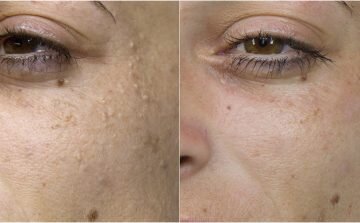
Milia seeds are often spoken about as though they are a single, uniform skin condition. Clinically, this assumption leads to ineffective treatment choices. One of the most important distinctions in professional milia management is whether the condition is classified as primary milia or secondary milia. This classification directly influences how milia should be treated, which methods are appropriate, and why some cases respond differently than others.
At The Brow & Beauty Boutique, milia removal begins with classification rather than technique selection. Understanding how milia formed provides essential insight into how it should be treated safely and effectively.
Understanding Primary Milia
Primary milia develop spontaneously without an obvious external trigger. They occur when keratin becomes trapped beneath the epidermis during normal skin formation. These milia are commonly seen on the face, particularly around the eyes, cheeks, and forehead.
Primary milia are typically:
superficial
well-defined
not associated with prior skin injury
Because of their structure, primary milia often respond well to sterile milia extraction, provided the cyst is accessible and the surrounding skin is healthy. When treated appropriately, resolution is usually straightforward, and healing tends to be predictable.
However, even primary milia should not be treated based on appearance alone. Depth, skin thickness, and anatomical location must still be assessed to avoid unnecessary trauma.

Understanding Secondary Milia
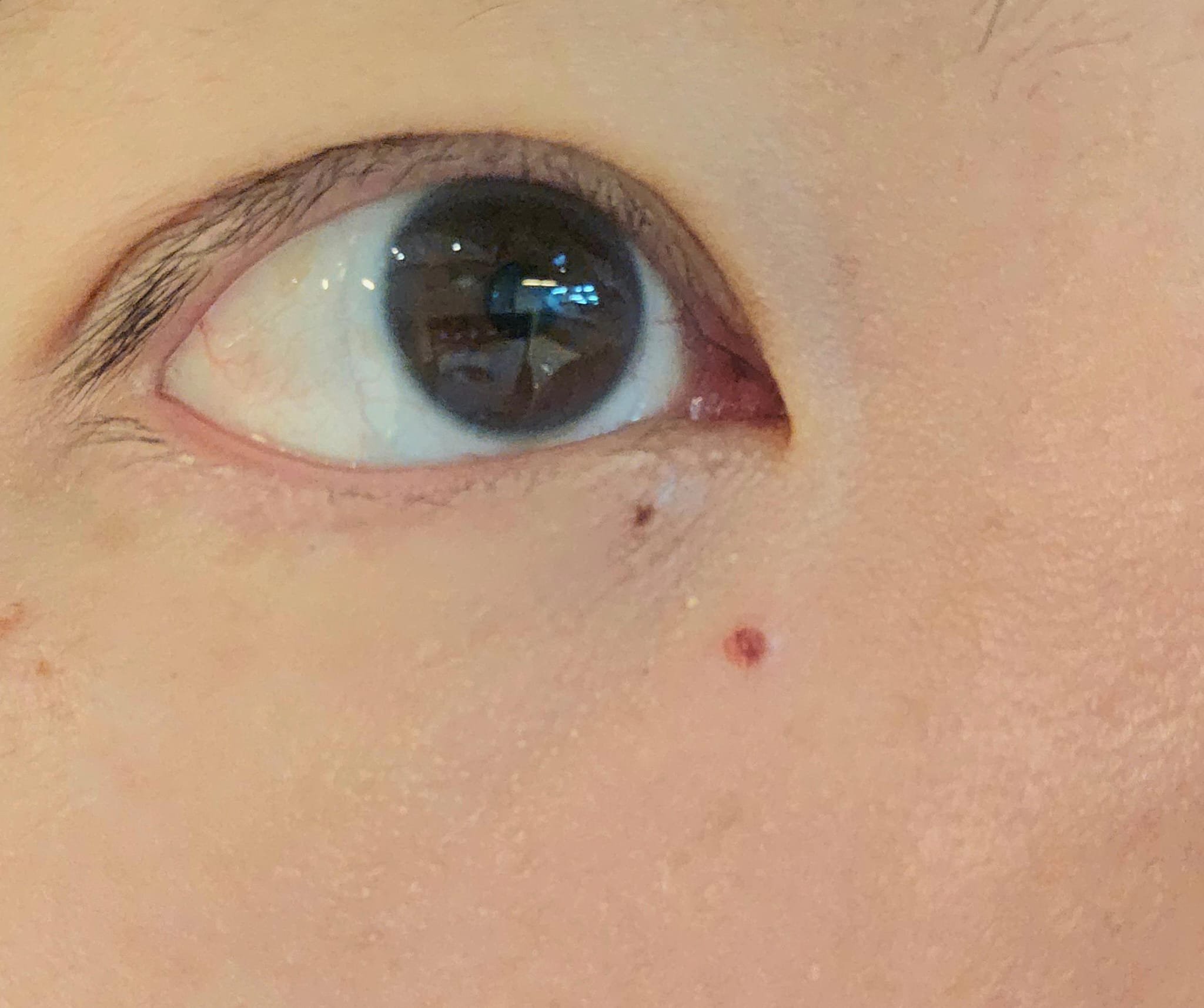
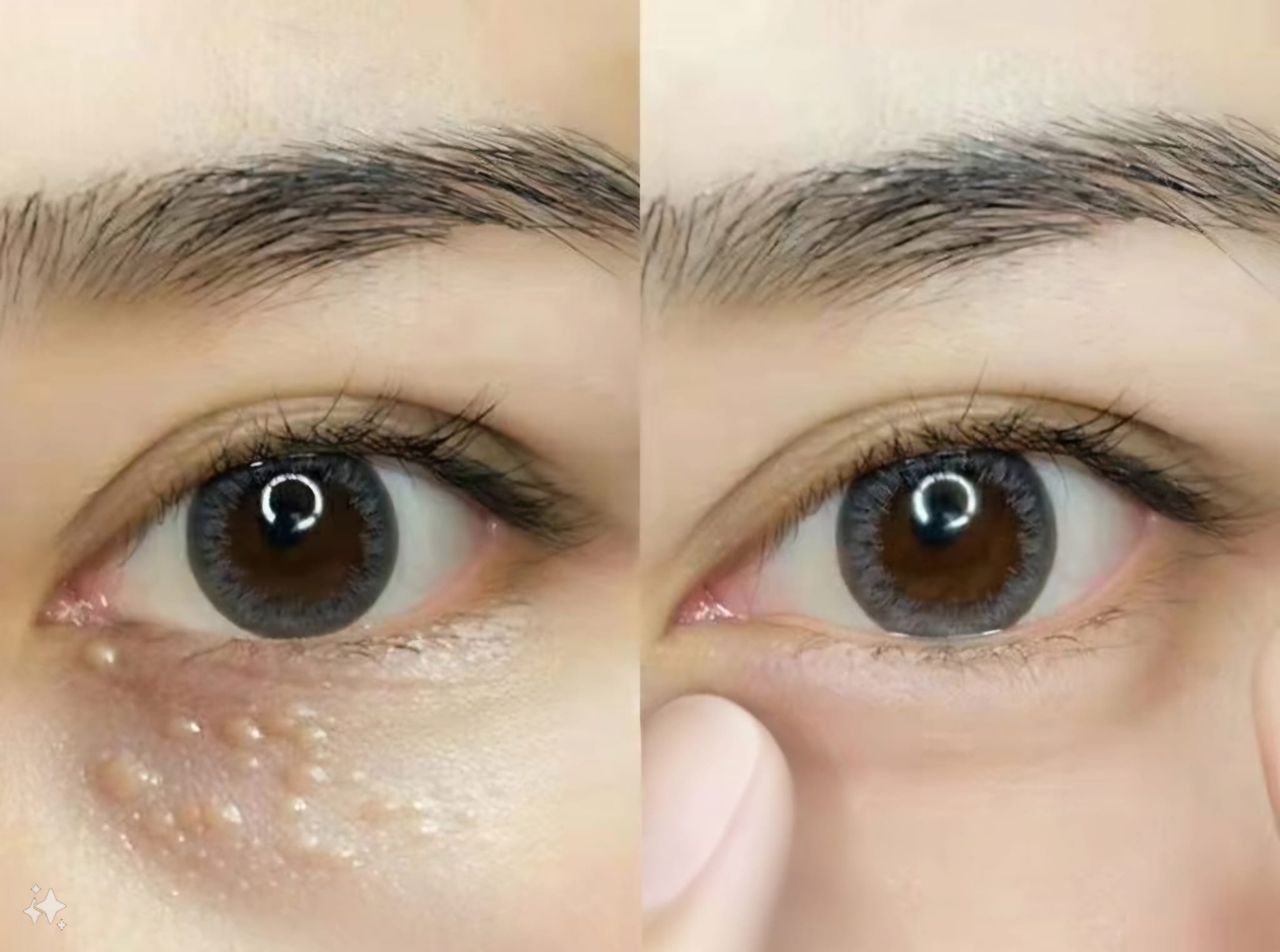
Secondary milia form as a result of skin disruption. This may include previous inflammation, injury, cosmetic procedures, aggressive treatments, or prolonged occlusion. In these cases, keratin becomes trapped during the skin’s healing process rather than normal development.
Secondary milia are often:
deeper or more fibrotic
recurrent in the same area
associated with sensitive or compromised skin
Because of these characteristics, secondary milia frequently require a more cautious and targeted approach. Manual extraction alone may not be sufficient, particularly if the cyst wall has thickened or the lesion sits deeper within the dermis.
This is where energy-based removal techniques may be clinically indicated, allowing controlled access to the keratin cyst without compressing already stressed tissue.
Why Classification Matters More Than Technique Preference
One of the most common reasons milia treatments fail is the assumption that all milia behave the same way. Treating secondary milia as though it were primary often leads to incomplete removal, inflammation, or recurrence.
Classification informs:
whether sterile extraction is appropriate
whether energy-based intervention offers greater safety
how conservative the approach should be
expected healing behaviour
At The Brow & Beauty Boutique, this decision-making framework mirrors the precision used in RF Pulse–based treatments, where depth control and tissue response determine technique selection rather than default protocols.
Treatment Considerations for Delicate Areas
Both primary and secondary milia commonly appear around the eyes. This region requires additional caution due to thinner skin, reduced structural support, and heightened sensitivity.
Secondary milia in the periocular area is particularly prone to complications if treated aggressively. In such cases, a slower, conservative approach prioritises skin integrity over rapid clearance. These principles align closely with broader skin management and anti-aging strategies, where barrier preservation is essential for long-term skin health.
Recurrence Is Not Always Treatment Failure
Clients often interpret recurring milia as evidence that previous treatment was ineffective. In reality, recurrence is frequently linked to secondary milia formation rather than incomplete removal.
If the underlying skin environment remains compromised, new milia may form even after successful clearance of existing cysts. This is why reassessment is crucial when milia reappears, particularly in the same location.
Understanding whether recurrence reflects secondary milia formation helps practitioners adjust technique selection and aftercare guidance accordingly.
Addressing Previous Unsuccessful Treatments
While corrective treatment is not the focus of this article, it is important to note that prior unsuccessful milia removal does not automatically exclude future treatment. In many cases, the issue lies not in permanent damage but in prior misclassification.
By allowing the skin to stabilise and reassessing the lesion structure, treatment plans can often be adjusted to suit the correct milia type. This measured approach reduces the risk of compounding irritation and improves long-term outcomes.
Real-world examples of reassessment-led success are reflected in our customer stories, where technique refinement rather than repetition leads to better results.
Choosing Treatment Based on Classification
Primary and secondary milia are managed using different clinical logic. Effective milia removal is not about using the strongest method available, but about applying the most appropriate method for the lesion type and skin condition.
Clients seeking professional assessment can explore the clinic’s dedicated milia seed removal service to better understand how classification guides treatment decisions.
For those who prefer direct consultation, you may book an appointment to discuss your concerns, ask questions, and receive recommendations tailored to your skin rather than assumptions.