Overlip Blush vs Traditional Lip Blush - What Is the Difference?
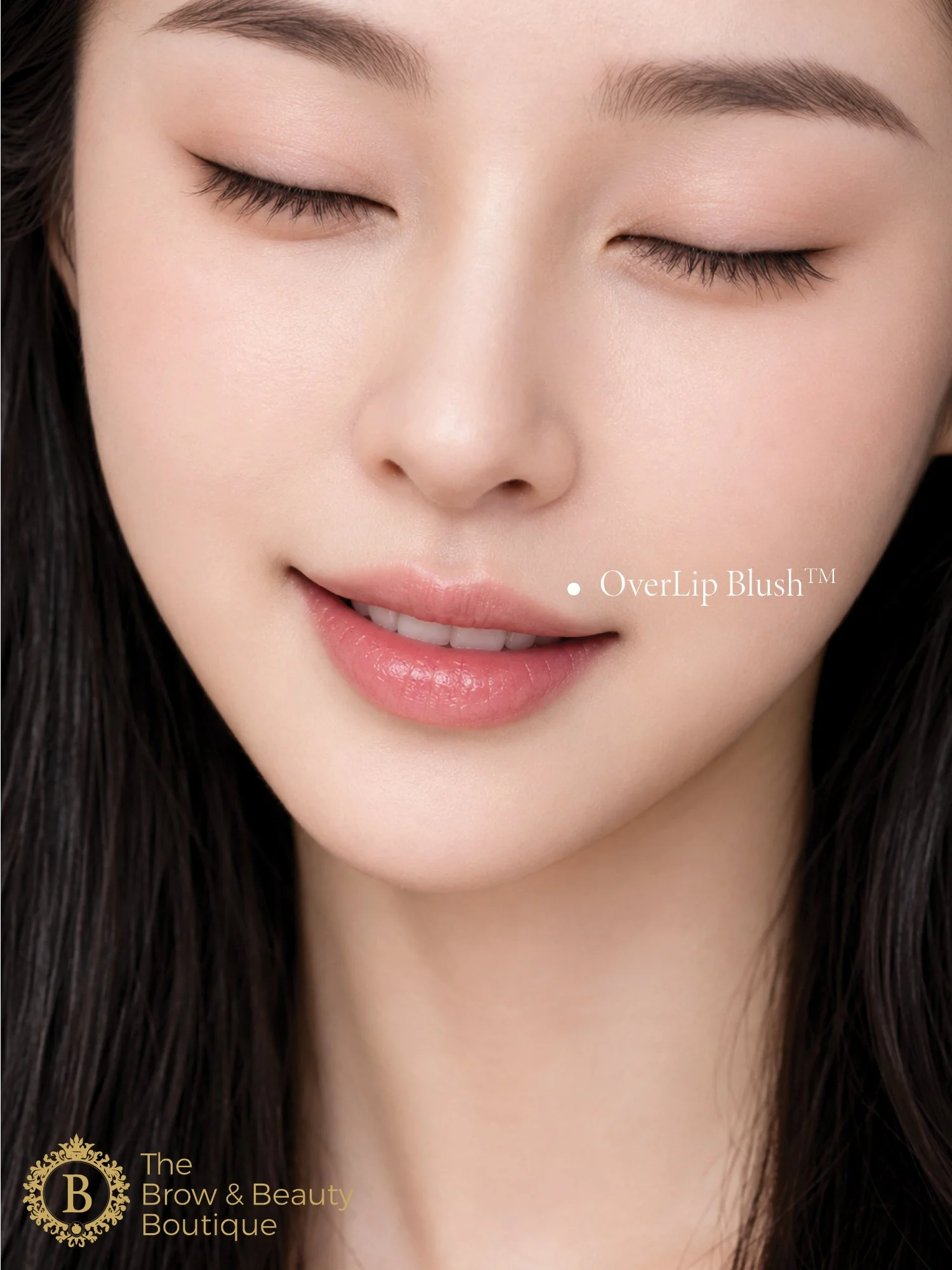
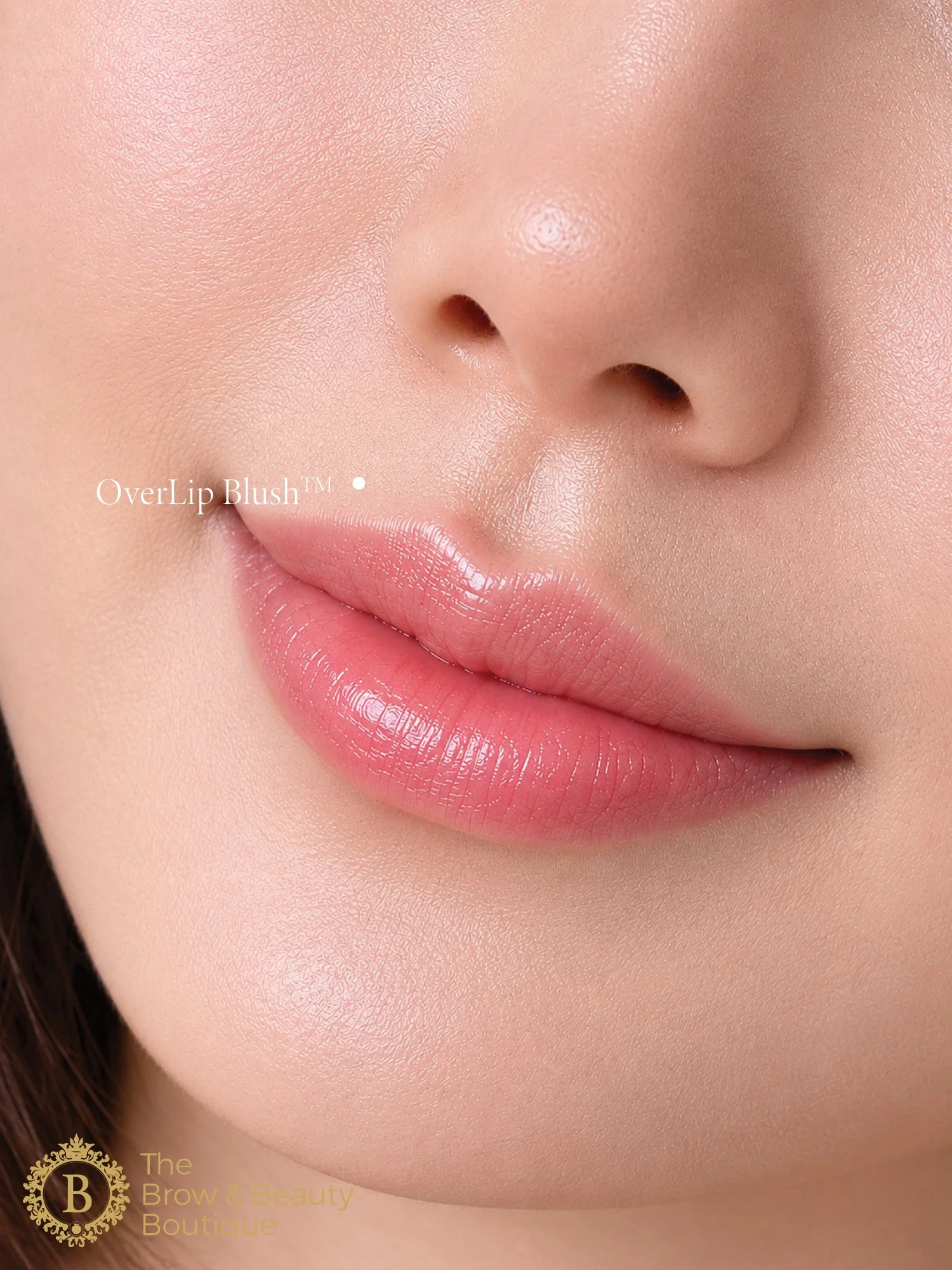
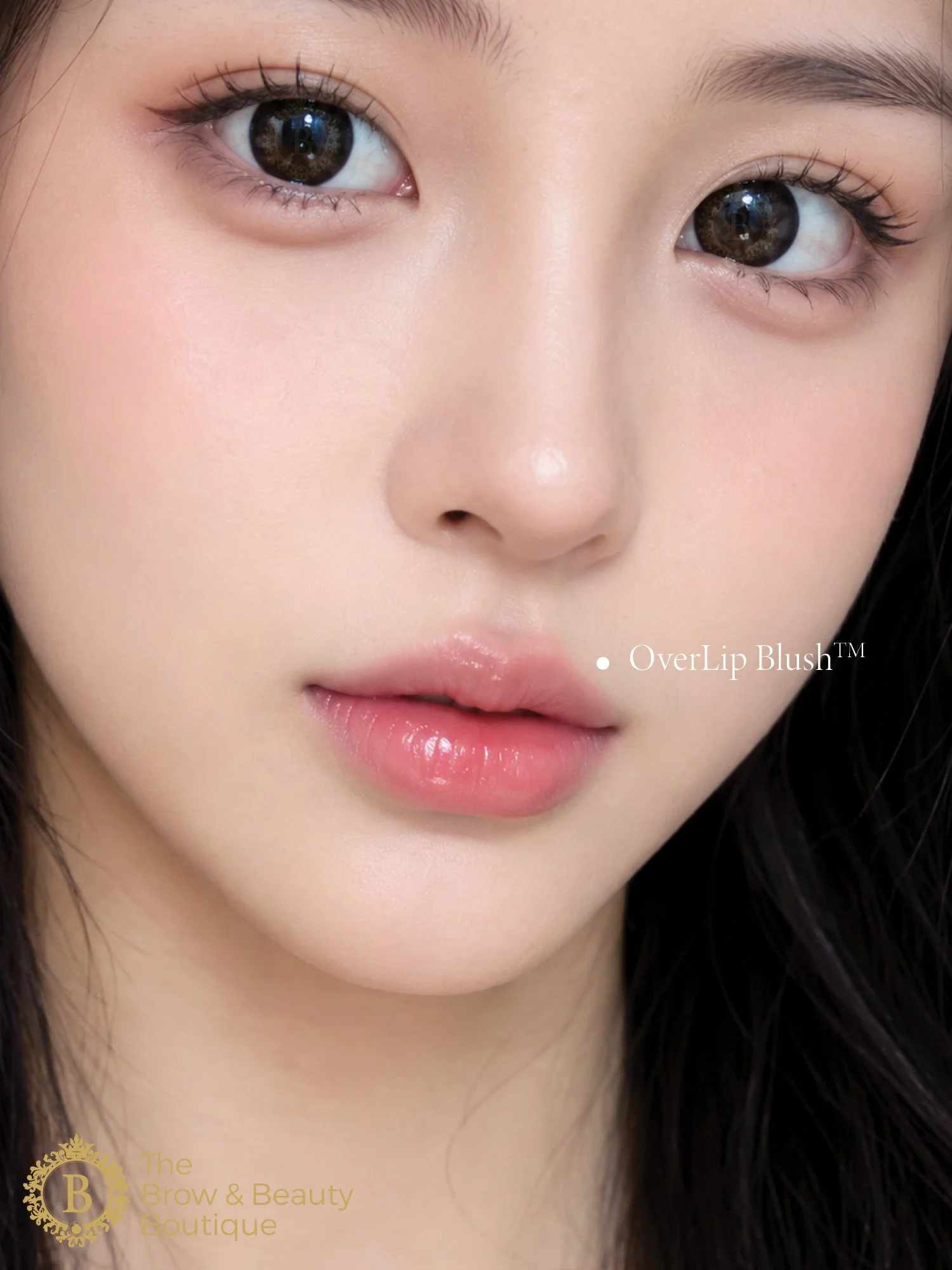
Lip blush has become increasingly popular among clients who want lips that look fresher, healthier, and more naturally tinted without relying heavily on lipstick every day. However, many clients are now discovering that not all lip blush techniques are designed with the same goals in mind. One of the newer approaches attracting attention is Overlip Blush, a treatment that focuses not only on colour enhancement, but also on soft lip definition and visual shape refinement.
At first glance, traditional lip blush and Overlip Blush may seem very similar because both involve semi-permanent lip colour enhancement. However, the overall design philosophy, treatment focus, and final visual effect can be quite different depending on the client’s goals.
What Is Traditional Lip Blush?
Traditional lip blush mainly focuses on improving the colour of the lips. The treatment deposits pigment into the lips to create a softer, more even appearance. Clients often choose it because they feel their lips look pale, dull, cool-toned, uneven, or washed out without makeup.
The goal of standard lip blush is usually colour correction or colour enhancement. In many cases, the natural border of the lips is respected closely, with minimal extension beyond the original lip line. The result can look soft and natural, especially when healed properly.
Traditional lip blush can work very well for clients who already have naturally defined lips and simply want a healthier-looking tint or more consistent colour throughout the lips.
What Makes Overlip Blush Different?
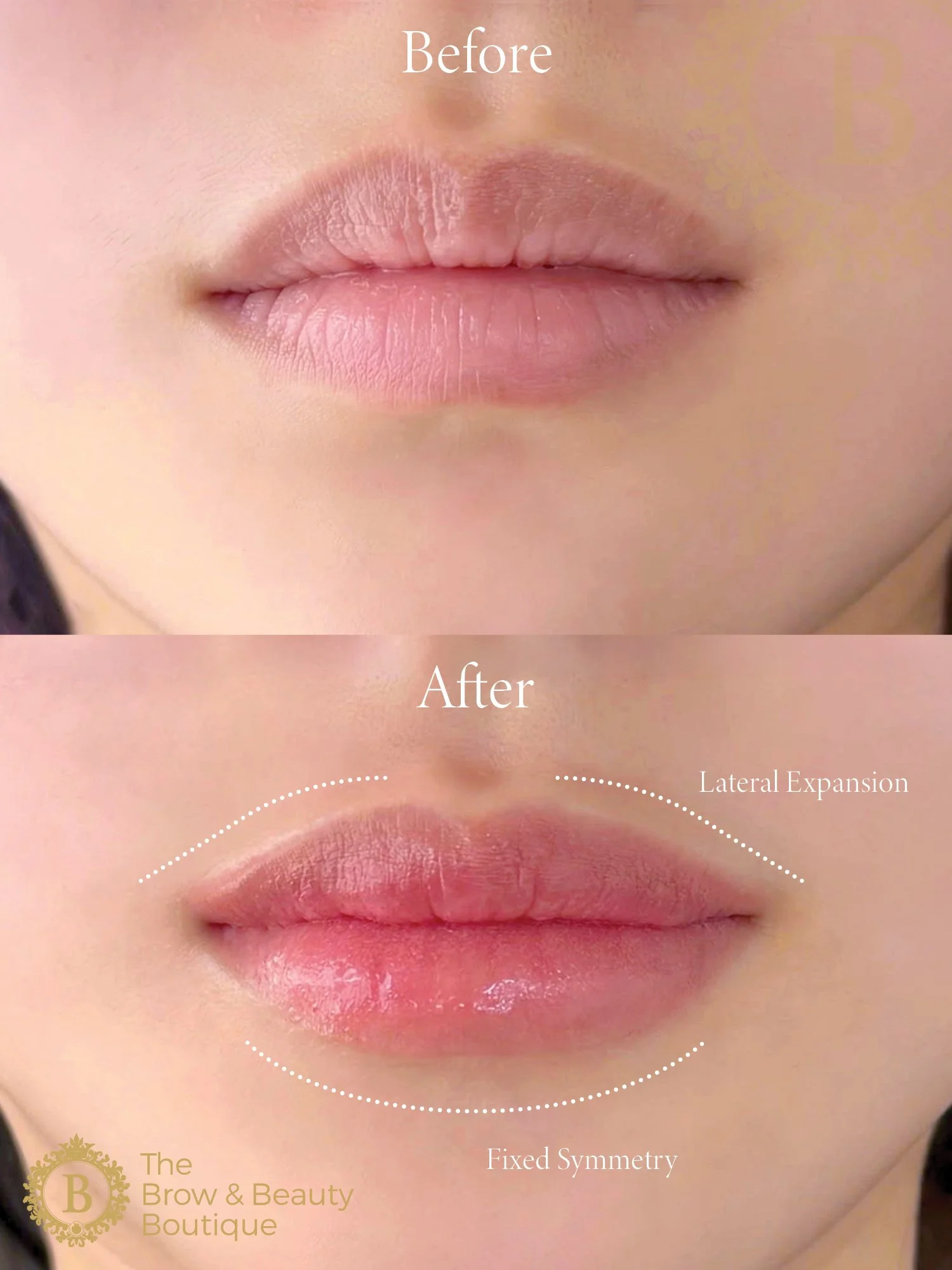
Overlip Blush takes the concept further by focusing not only on colour, but also on shape refinement and lip definition. Instead of only enhancing the colour inside the lips, the technique carefully considers the outer lip border, facial balance, symmetry, and the visual proportions of the mouth.
The aim is not to create an exaggerated “overlined lipstick” effect. Instead, the treatment is designed to subtly improve lip framing within a safe and natural-looking range, usually where the existing lip anatomy already supports a gentle enhancement.
For clients whose lips appear blurred at the borders, slightly uneven, or visually smaller because of faded definition, Overlip Blush may help create a fuller-looking appearance without changing the natural character of the lips.
Traditional Lip Blush vs Overlip Blush for Lip Shape
One of the biggest differences between the two approaches is how much attention is given to lip structure.
Traditional lip blush often prioritises colour first. Overlip Blush prioritises both colour and visual architecture together. This can make a significant difference for clients who feel that their lips disappear slightly in photographs, require constant lip liner, or lack visible definition when not wearing makeup.
Clients who frequently redraw their lips with lip pencil may find Overlip Blush particularly appealing because the treatment is designed to recreate that softly refined appearance in a more natural and long-lasting way.
Which One Looks More Natural?
This depends heavily on the artist’s technique, pigment selection, and treatment planning. Poorly performed lip embroidery of any kind can heal unevenly or appear artificial. However, when done carefully, both treatments can heal into soft and natural-looking results.
At The Brow & Beauty Boutique, the emphasis is on customisation and facial harmony rather than simply following trends. Some clients are more suitable for traditional lip blush, while others may benefit more from Overlip Blush depending on their lip border clarity, lip tone, asymmetry, and aesthetic preferences.
The studio’s broader approach to personalised beauty can also be seen through our story, where customised treatment planning and natural-looking outcomes are prioritised over one-size-fits-all beauty trends.
What About Clients With Existing Lip Work?
This is an important consideration. Clients who already have old lip blush, darkened lip tones, uneven healing, or previous unsatisfactory work may require correction or removal before moving into a new enhancement treatment.
In some cases, lip colour removal may be recommended first to lighten old pigment or improve the lip canvas before proceeding with a new blush treatment. This is especially important when old pigment has healed grey, purple, or patchy.
For clients who simply want to improve existing lip embroidery rather than remove it fully, lip embroidery enhancement may also be explored as part of the consultation process.
Who Might Prefer Traditional Lip Blush?
Traditional lip blush may suit clients who:
Already have well-defined lips
Mainly want colour enhancement
Prefer minimal structural change
Want a very soft wash of tint
Have naturally balanced lip borders already
It is often a good option for clients who simply want their lips to look healthier and more awake without strong emphasis on reshaping.
Who Might Prefer Overlip Blush?
Overlip Blush may suit clients who:
Feel their lip borders look faded or blurred
Frequently overline their lips with makeup
Want a fuller-looking effect without fillers
Feel their lips look visually smaller in photos
Want both shape refinement and colour enhancement
Have mild asymmetry they wish to soften visually
The treatment can also pair well with other natural-looking beauty services focused on facial framing. For example, clients interested in softer overall facial balance sometimes also explore why Fluffy Nano Brows help busy clients save time on daily brow makeup or how Fluffy Nano Brows improve brows that look uneven or unbalanced. Lips and brows together play a major role in how polished and balanced the face appears overall.
Final Thoughts
Traditional lip blush and Overlip Blush are not necessarily competing treatments. Instead, they are designed for slightly different client goals. Traditional lip blush focuses mainly on colour enhancement, while Overlip Blush combines colour with refined lip definition and subtle shape optimisation.
The most important factor is proper assessment. Lip anatomy, natural border clarity, old pigment, skin tone, and healing behaviour all affect which treatment may be more suitable. A careful consultation helps ensure the treatment chosen matches the client’s natural features and long-term goals.
Clients who want personalised advice regarding Overlip Blush suitability can also contact The Brow & Beauty Boutique directly through WhatsApp for a more tailored discussion before deciding on treatment.