
Milia Removal on Sensitive Skin: Balancing Efficacy with Barrier Preservation
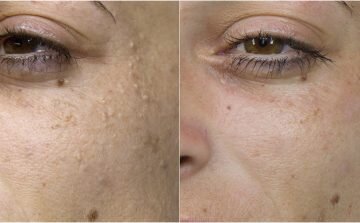
Sensitive skin presents unique challenges, but it does not limit effective milia removal when intervention is planned correctly. Milia seeds are subepidermal keratin cysts, and their successful treatment depends on precision rather than aggression. For individuals with reactive, thin, or previously compromised skin, the priority is not whether milia can be treated, but how treatment is executed while preserving barrier integrity.
At The Brow & Beauty Boutique, sensitive skin is not treated as a constraint. It is treated as a variable that informs technique selection, depth control, and post-procedure stability. This approach ensures that efficacy and skin health are achieved together, not traded off against one another.
Why Sensitive Skin Requires a Different Approach
Sensitive skin is characterised by heightened inflammatory response, reduced barrier resilience, and slower recovery when stressed. When milia forms within this environment, inappropriate intervention can disrupt the stratum corneum, prolong redness, or increase the risk of post-inflammatory pigmentation.
These outcomes are not caused by milia itself, but by mismatched technique. Effective milia removal on sensitive skin requires:
accurate depth assessment
controlled access to the cyst
minimal collateral tissue disruption
When these conditions are met, sensitive skin responds predictably and heals cleanly.
Understanding Milia in a Reactive Skin Environment
Milia do not originate from oil glands or surface congestion. They are compact keratin cysts trapped beneath the epidermis. On sensitive skin, the cyst wall may be surrounded by tissue that reacts strongly to pressure or heat, making technique selection critical.
This is why surface treatments, exfoliation, or repeated manipulation often worsen sensitivity without resolving the milia. Professional care focuses on targeting the cyst itself, not the surrounding skin.
Clients seeking focused care can explore the clinic’s assessment-led milia seed removal service, which is designed to accommodate a wide range of skin responses.
Precision Extraction on Sensitive Skin
When milia is superficial and well-defined, sterile precision extraction is used to access the cyst directly while maintaining surrounding barrier integrity. On sensitive skin, this technique relies on:
controlled entry points
minimal mechanical stress
precise targeting rather than force
This approach allows the keratin content to be released without triggering unnecessary inflammation. When performed correctly, healing remains calm and predictable.
Extraction is never performed simply because a milia appears extractable. The surrounding skin’s tolerance is always factored into the decision.
When Energy-Based Techniques Are Preferred
In cases where milia is dense, fibrotic, or resistant to manual release, energy-based techniques provide controlled access without repeated manipulation. On sensitive skin, energy use is calibrated carefully to limit exposure while achieving complete resolution.
This same precision framework is applied in procedures such as RF Pulse treatments, where energy delivery is exact, localised, and purpose-driven. The goal is clean resolution with minimal tissue response.
Sensitive skin does not require avoidance of advanced techniques. It requires smarter calibration.
When Skin Reactivity Has Been an Issue
If your skin becomes red easily, reacts to past treatments, or has not healed well after previous milia removal, reassessment is essential. Treatment planning that accounts for barrier condition changes outcomes.
You can book an appointment for an evaluation focused on both milia resolution and skin stability.
Previously Irritated or Mishandled Skin Can Still Be Treated
Sensitive skin is often made more reactive by prior aggressive treatments. Excessive squeezing, repeated needling, or inappropriate heat application can compromise the barrier and create lingering sensitivity.
In these cases, effective milia care begins with stabilisation. Once inflammation has settled and the skin environment is restored, milia can be treated with adjusted technique and controlled intervention. Corrective care is part of the planning process, not an exception to it.
Special Considerations for the Eye Area
The under-eye region combines thin skin, high vascularity, and limited tolerance for trauma. Milia frequently appears here, making careful planning essential.
Treatment in this area prioritises:
shallow access
conservative energy application
protection of surrounding tissue
These principles mirror the clinic’s broader philosophy in skin management and anti-aging treatments, where preserving long-term skin health is always central to intervention decisions.
Barrier Preservation Supports Long-Term Results
When the skin barrier is respected during milia removal, healing is faster, pigmentation risk is reduced, and recurrence is minimised. Sensitive skin benefits most from approaches that resolve the cyst completely while leaving surrounding tissue undisturbed.
This consistency in outcome is reflected in experiences shared through our customer stories, where clients with reactive skin report stable healing and clean resolution rather than repeated irritation.
Effective Treatment Without Compromise
Sensitive skin does not require hesitation. It requires preparation. When assessment guides technique and barrier preservation is prioritised, milia removal remains precise, controlled, and effective.
For individuals seeking professional care that respects both results and skin health, consultation provides clarity and confidence. Sensitive skin responds well when intervention is planned correctly from the start.