Long-Term Lip Colour Instability Vs. True Pigment Fading


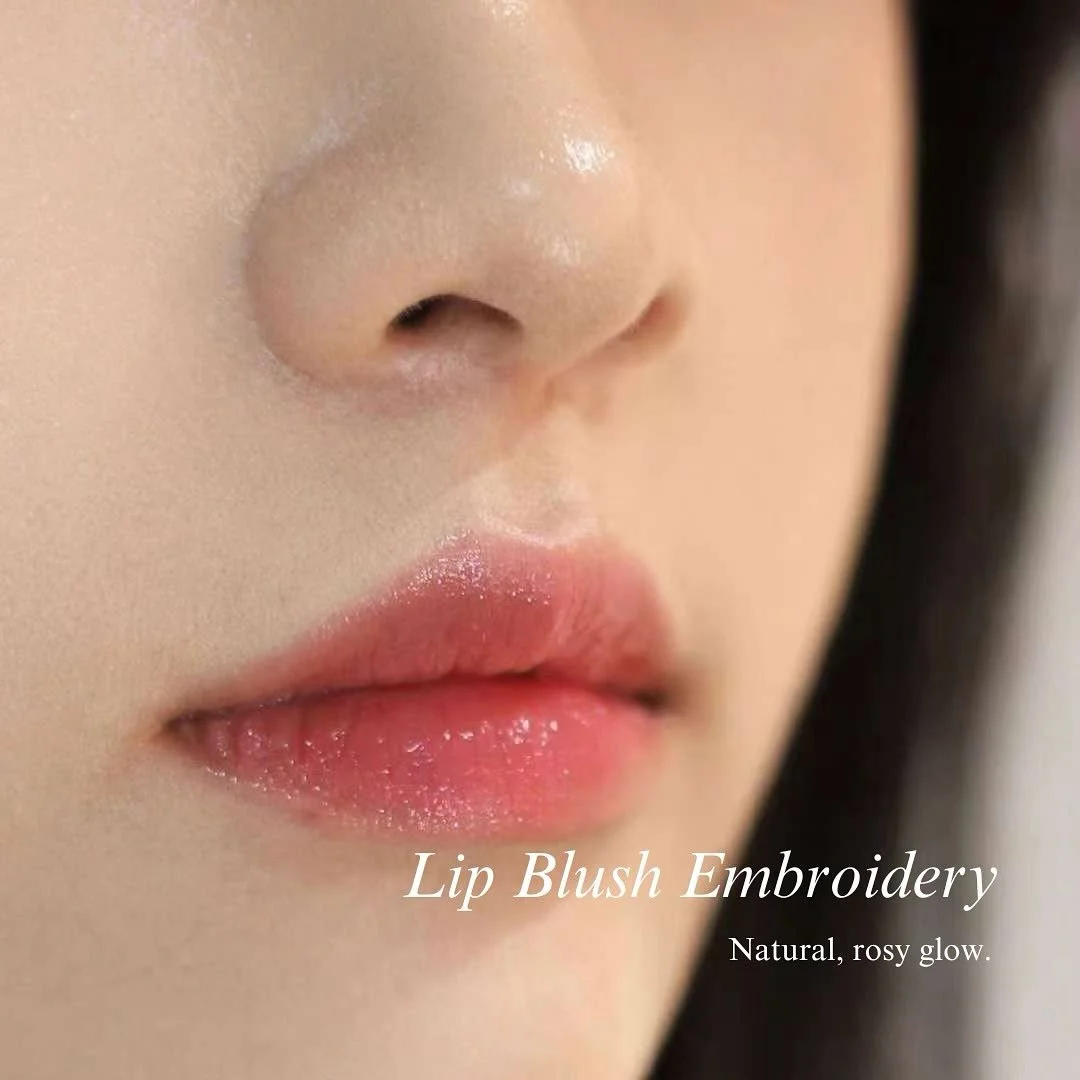
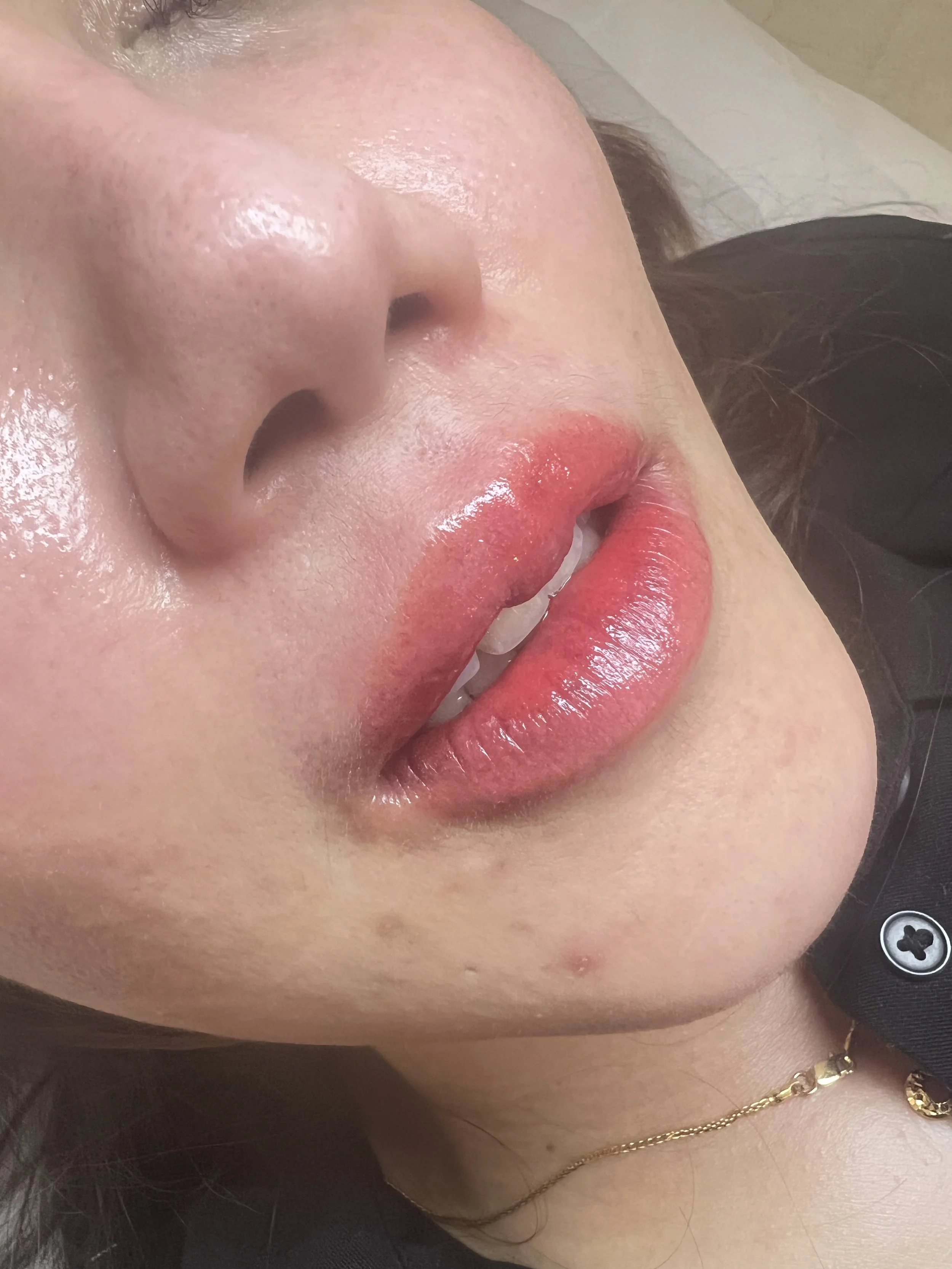
Many clients notice changes in their lip colour months or even years after a lip blush procedure and assume the pigment has simply faded. In reality, true pigment fading and long-term lip colour instability are not the same phenomenon, and confusing the two often leads to ineffective touch-ups, repeated disappointment, and escalating correction needs.
At The Brow & Beauty Boutique, this distinction is foundational to how lip correction is approached. Understanding whether lips are fading naturally or behaving unstably determines whether refinement, correction, or pigment reduction is required.
What True Pigment Fading Looks Like
True pigment fading is a predictable and uniform process. It occurs as part of the skin’s natural cellular turnover and pigment breakdown over time.
Characteristics of true fading include:
Even lightening across the entire lip surface
Gradual loss of saturation without colour distortion
Retention of original undertone balance
Stable lip shape and contour clarity
In these cases, the lips do not appear patchy, grey, purple, or uneven. They simply look softer and lighter than before. When fading behaves this way, refinement through lip embroidery is often straightforward and predictable.
What Long-Term Colour Instability Looks Like
Long-term lip colour instability presents very differently. Instead of fading evenly, the colour changes character.
Common signs include:
Uneven tone between different areas of the lips
Grey, purple, or dull hues emerging over time
One side of the lips retaining colour while the other fades
Colour appearing heavier but less vibrant
Shape and contour becoming visually blurred
These changes often occur after the lips have fully healed, which is why they are frequently misunderstood. The issue is not that pigment has disappeared. It is that pigment is behaving unpredictably within the tissue.
Why Instability Is Often Misdiagnosed as Fading
From the surface, instability can resemble fading because colour no longer looks as intended. However, adding more pigment in unstable cases rarely solves the problem.
Instability is usually driven by:
Residual or legacy pigment interacting with newer layers
Pigment placed at inconsistent dermal depths
Excessive pigment load from repeated treatments
Undertone dominance overpowering applied colour
Oxidative colour changes over time
In these scenarios, the lips are not losing pigment evenly. They are expressing structural imbalance beneath the surface.
Why Touch-Ups Can Worsen Instability
When instability is mistaken for fading, repeated touch-ups often follow. While this can temporarily intensify colour, it frequently accelerates long-term problems.
Additional pigment on unstable lips can lead to:
Increased pigment density without improved clarity
Greater depth inconsistency
Amplified cool or grey undertones
Reduced predictability with future treatments
Rather than restoring colour, repeated layering increases pigment stress and narrows correction options.
How to Identify Which One You’re Experiencing
A simple way to differentiate fading from instability is to look at how the colour has changed, not just how much.
True fading:
Lightens evenly
Maintains warmth and balance
Leaves structure intact
Instability:
Shifts tone or hue
Develops patchiness or cool tones
Alters contour clarity or symmetry
This distinction is critical because the corrective pathway for each is entirely different.
The Role of Lip Colour Removal in Unstable Cases
When long-term instability is present, lip colour removal becomes an essential corrective step. The objective is not to erase colour completely, but to restore predictability.
Targeted pigment reduction helps to:
Reduce competing residual pigment
Lower excessive pigment load
Improve light transmission through the vermilion
Reset the tissue’s response to colour
This recalibration allows future treatments to behave more reliably. You can explore this corrective option through our lip colour removal service.
Why Embroidery Works Differently After Stabilisation
Once instability has been addressed structurally, lip embroidery becomes far more predictable. Pigment settles evenly, undertones remain stable, and long-term behaviour improves.
This is why embroidery is positioned as a completion phase, not a fix for unresolved instability. When the foundation is stable, embroidery enhances colour and shape rather than compensating for underlying issues.
Clients ready for refinement after correction may explore:
Why Process Determines Long-Term Results
At The Brow & Beauty Boutique, long-term outcomes are not judged at six weeks. They are evaluated over months and years. This long view is what allows true fading to be distinguished from instability early enough to prevent compounding issues.
Each case is approached with:
Honest assessment of pigment behaviour
Clear explanation of limitations and sequencing
A correction-first mindset when instability is present
Respect for tissue tolerance and healing variability
Clients are encouraged to ask questions and understand why certain pathways are recommended rather than rushed.
For insight into how complex cases have been stabilised successfully, our customer stories offer real-world examples of correction-led journeys.
Choosing the Correct Path Forward
If your lip colour has softened evenly and simply needs refreshing, refinement may be all that’s required. But if your lips have shifted tone, become patchy, or lost clarity, the issue is likely instability rather than fading.
In those cases, the solution is not more pigment. It is structural correction followed by intentional embroidery.
You may begin the appropriate phase directly by scheduling:
To learn more about our philosophy and standards, you may also visit The Brow & Beauty Boutique.