
Eyelash Regrowth When Lash Density Declines Faster Than Scalp Hair


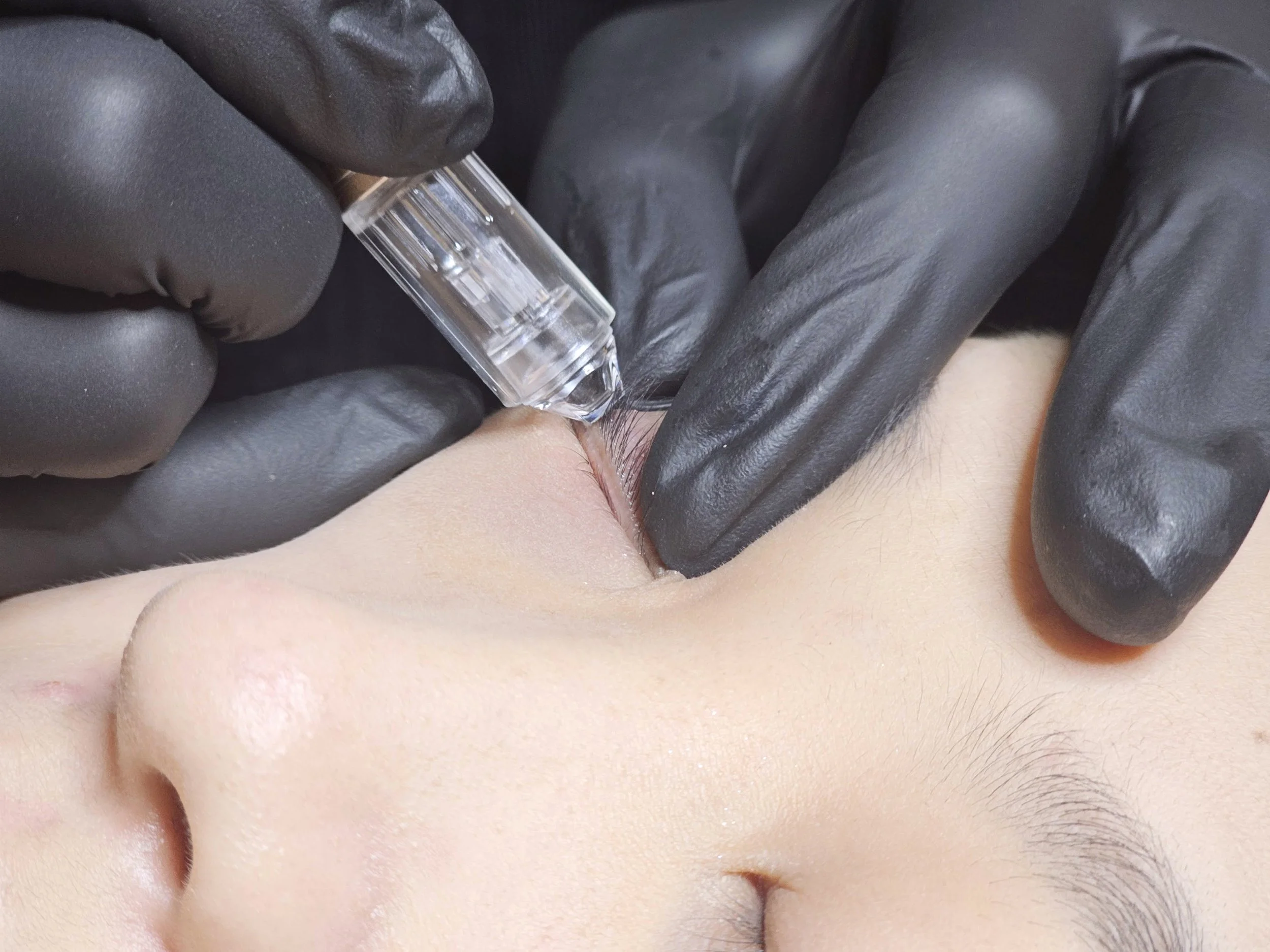

It is surprisingly common for clients to notice eyelash thinning long before any visible scalp hair changes. Lashes appear shorter, gaps form along the lash line, or shedding increases despite otherwise healthy hair density elsewhere. At The Brow & Beauty Boutique, this pattern is recognised as a biological mismatch rather than a contradiction. Eyelash follicles behave very differently from scalp follicles, and when lash density declines faster, it often reflects stress on short anagen systems rather than generalised hair loss.
Understanding why lashes respond first allows regrowth strategies to be targeted, controlled, and realistic. Treating eyelash thinning as “early hair loss” often leads to over-treatment. Treating it as a specialised follicular response produces far more stable outcomes.
Why Eyelashes Thin Before Scalp Hair
From a biological perspective, eyelash follicles operate under tighter margins. Their anagen (growth) phase is short, their follicles are smaller, and their tolerance for inflammation and mechanical stress is significantly lower than scalp hair. While scalp follicles can remain in growth for years, eyelash follicles cycle rapidly and rely on precise signalling to maintain density.
This means that minor disruptions such as lash extensions, waterproof mascara, frequent curling, eye rubbing, or chronic periocular inflammation can push lashes into premature telogen (rest). When this happens repeatedly, lashes appear to thin rapidly even though scalp follicles remain unaffected. The issue is not fragility, but sensitivity.
Short Anagen Systems and Follicular Fatigue
When eyelash follicles are repeatedly forced to exit anagen early, they may enter a state of follicular fatigue. This does not indicate permanent loss. Instead, the follicle becomes conservative, producing finer hairs or delaying re-entry into growth as a protective response.
In these cases, aggressive stimulation often worsens outcomes. Lash follicles respond best to reduced stress, improved microcirculation, and carefully timed signalling rather than intensity. At The Brow & Beauty Boutique, regrowth planning begins with identifying what is interrupting the lash cycle, not with immediately attempting to accelerate growth.
Controlled Regrowth Through Supportive Signalling
Effective eyelash regrowth focuses on restoring the biological environment around the follicle. This includes improving oxygen delivery, reducing inflammatory triggers, and reintroducing controlled stimulation that respects the limits of short anagen follicles.
The clinic’s Lash Regrowth Booster is structured around these principles. Rather than pushing for immediate length or density, the programme supports follicular recovery so lashes can complete healthier cycles over time. This approach prioritises stability, which is essential when lash density has declined faster than scalp hair.
Clients ready to begin assessment-led eyelash recovery can schedule through the Lash Regrowth Booster booking pathway, ensuring regrowth planning starts with evaluation rather than assumption.
Why Brows Are Often Affected Next
Although lashes may show thinning first, eyebrows often follow if underlying stressors persist. Brows share similar sensitivity to mechanical trauma and inflammatory load, even though their changes may be less immediately visible.
For this reason, regrowth strategies consider both regions together. The Eyebrow Regrowth Booster supports brow follicles by improving circulation and dermal stability, helping prevent uneven facial hair recovery where lashes improve but brows continue to decline. Addressing both areas together ensures regrowth remains balanced and predictable.
Clients seeking brow-focused assessment can also access care through the Eyebrow Regrowth Booster booking pathway, allowing both regions to be planned in parallel where appropriate.
When Past Cosmetic Work Influences Lash Decline
In some clients, rapid eyelash thinning coincides with previous cosmetic procedures around the brow or eye area. Deep pigment placement from embroidery, repeated corrections, or aggressive periocular treatments can subtly impair circulation and dermal signalling, indirectly affecting lash follicles.
When this pattern is identified, regrowth may require stabilising the surrounding skin first. RF Pulse eyebrow removal and brow revival can help reduce pigment load and allow tissue recovery, creating a more supportive environment for both brow and lash follicles. Proper sequencing prevents regrowth efforts from being undermined by ongoing inflammatory stress.
Medical-Aesthetic Support for Persistent Lash Decline
When eyelash density continues to lag despite supportive care, deeper biological constraints may be present. Reduced healing capacity, chronic inflammation, or vascular insufficiency can all limit follicular response. These cases benefit from additional medical-aesthetic oversight through La Dermalogique, the sister clinic working alongside The Brow & Beauty Boutique.
Although lash regrowth itself remains conservative, principles drawn from regenerative work such as hairline regrowth microneedling inform how circulation and signalling are supported safely in fragile areas. This layered approach ensures restraint without stagnation.
What Clients Should Expect From Lash-First Regrowth
When eyelash density has declined faster than scalp hair, regrowth is gradual. Early signs often include reduced shedding, improved lash texture, and more consistent regrowth along the lash line before visible fullness returns. Uneven regrowth is common initially, as follicles re-enter cycles at different times.
At The Brow & Beauty Boutique, progress is assessed longitudinally rather than session by session. Treatment pacing is adjusted based on follicular response, not cosmetic urgency. Clients are encouraged to ask questions, understand why lashes respond differently from scalp hair, and avoid habits that previously disrupted growth.
Those interested in the clinic’s assessment-led philosophy and long-term approach to regrowth can explore our story to better understand how complex follicular patterns are managed.
Respecting Follicular Biology for Sustainable Lash Regrowth
Eyelash regrowth when lash density declines faster than scalp hair is not a paradox. It is a signal that short anagen systems are under strain. By respecting follicular limits, restoring supportive signalling, and sequencing care appropriately, lashes can recover without being forced beyond their capacity.
When regrowth is guided by biology rather than urgency, eyelash density stabilises, cycles normalise, and results become sustainable over time.